4:00 AM Main Line Rodding: How It Clears Home Sewer Blockages | |
Main line rodding is a drain-clearing method used when a home’s main sewer line becomes restricted or blocked. For homeowners facing slow drains, gurgling sounds, or wastewater backups, rodding can help address the problem by reaching deep into the sewer system and dislodging obstruction material.
Unlike some quick fixes, main line rodding targets the likely source of trouble along the main line—where clogs can form due to material buildup, accidental debris, or other disruptions that prevent sewage from moving normally. What causes main sewer line blockages?
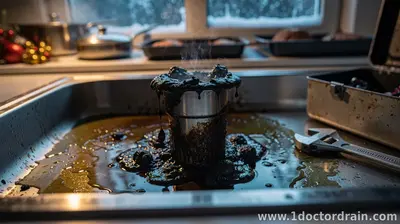
Blockages in a main sewer line can be caused by a range of everyday issues. Grease and cooking residue may accumulate over time, while hair, soap scum, and foreign objects can contribute to narrowing. In some homes, tree roots can infiltrate small openings and gradually create a growing obstruction.
Seasonal factors and aging infrastructure may also increase the likelihood of recurring clogs, especially if the line has older joints, cracks, or minor damage that allows debris to collect. How main line rodding works
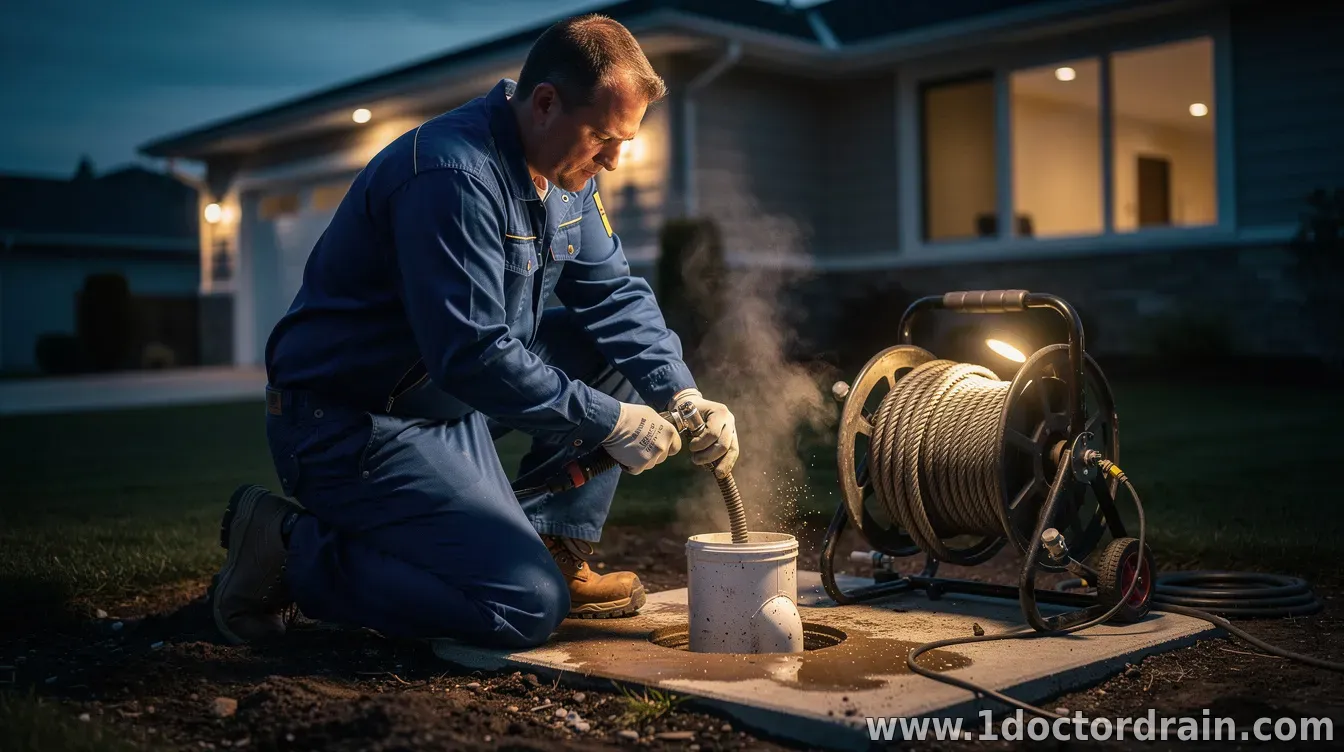
Main line rodding typically involves inserting a specialized tool—often a motor-driven cable or rod—into the sewer line access point. The tool is advanced to the point of restriction, where it either breaks apart the blockage or retrieves/removes debris depending on the nature of the obstruction.
Once the flow path is restored, the area is usually checked to confirm that drainage is running properly. In many services, technicians may also run additional inspection steps to determine whether the blockage source suggests an underlying issue. Signs you may need professional rodding
While minor drain issues sometimes resolve on their own, persistent symptoms often point to a main line problem. Homeowners commonly notice multiple fixtures draining slowly at once, recurring backups, or gurgling sounds in toilets and drains. Strong odors or standing water near drains can also indicate restricted flow further down the system.
Because sewer lines are buried and difficult to access, attempting to force solutions without the right equipment can sometimes worsen the clog or damage pipe surfaces. What to expect during a service call
A reputable plumbing team generally starts by assessing the symptoms and locating the best access point for clearing. After that, rodding is performed using equipment sized for the sewer line and the suspected blockage type. If the blockage appears stubborn or recurring, a technician may recommend further diagnostics to reduce the chances of repeated backups.
Homeowners should also ask about prevention steps after the blockage is cleared—such as proper disposal practices for grease and avoiding flushable items that can accumulate in the sewer system.
Bottom line: Main line rodding is a practical, hands-on method for clearing obstructions in a home’s sewer system, restoring wastewater flow and addressing backups at the source. If symptoms persist or reappear, professional assessment can help determine whether rodding alone is enough or whether additional repair or inspection is needed.
| |
|
| |
CALL ☎ Subscribe 👆
Next & Previous posts
Related materials:
CONTACT US 📩
Submit the form, we'll contact you as soon as possible!