1:13 AM Main Line Rodding: What It Involves Step by Step | |
Main line rodding is a plumbing service designed to remove or dislodge obstructions inside a property’s primary drainage pipe—often before the problem worsens into backups, slow drainage, or foul odors.
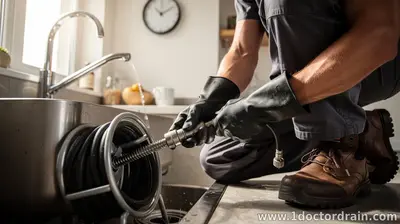
While it may sound technical, the core idea is straightforward: a technician uses a rodding tool (sometimes powered or guided) to reach the blockage and break it up or pull it free, depending on what’s causing the obstruction. 1) Initial assessment and safety checks
The service typically starts with an on-site review of the symptoms (e.g., toilet backups, multiple fixtures draining slowly, gurgling sounds, or recurring blockages). The technician also confirms where the main drain line runs, checks access points, and ensures the work can be performed safely around the home or building. 2) Locating access points
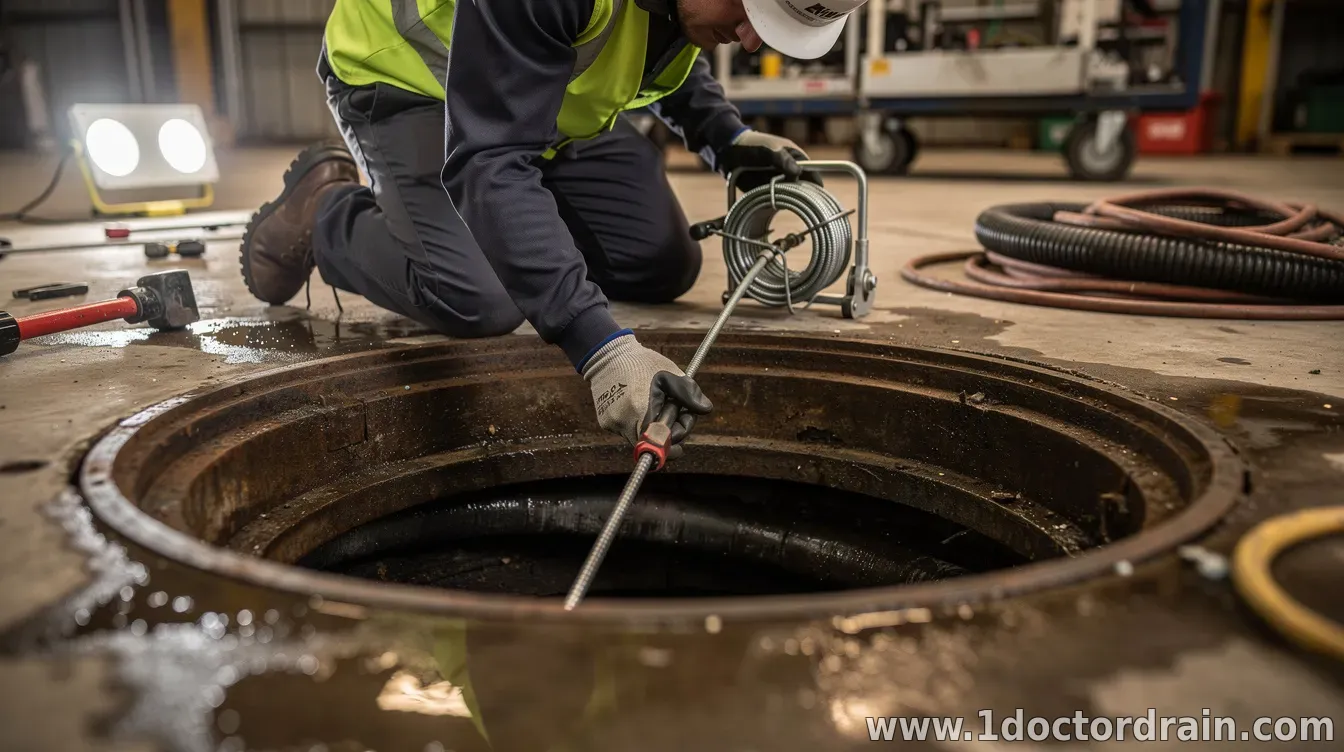
Next, the technician identifies the most practical route to reach the main line. This may involve using inspection points, cleanouts, or appropriately accessing plumbing fixtures connected to the main sewer/drain system. Proper access is important for effective cleaning and to avoid unnecessary disruption. 3) Setting up the rodding equipment
The rodding system is then prepared. Depending on the situation, this can include flexible rod lengths, guides, and specialized attachments sized to the pipe and the type of blockage suspected. The goal is to get the tool aligned with the pipe path to improve reach and control. 4) Inserting the rod and advancing toward the obstruction
The rods are carefully fed into the pipe through the access point. The technician gradually advances the tool while monitoring resistance and movement patterns, which can help indicate where the blockage is located or whether the tool is navigating bends or offsets. 5) Breaking up or retrieving the blockage
Once the technician reaches the obstruction, the method changes based on what’s likely causing it. The rod may be used to break apart buildup (such as grease, debris, or partial obstruction), and in some cases an attachment can help pull out material. If the clog is stubborn, the technician may repeat the action in stages. 6) Flushing and confirming improved flow
After the blockage is addressed, the pipe is typically flushed with water to help clear loosened material. Technicians then check drainage performance—often by running water through relevant fixtures—to confirm that flow has improved and that the issue appears resolved. 7) Verifying the fix and advising next steps
Even after rodding, the technician may recommend further verification if symptoms persist or if the blockage seems unusual. In many cases, additional diagnostics—such as camera inspection—can be suggested to confirm the pipe condition and identify any underlying issues (for example, recurring tree-root intrusion, damage to pipe joints, or chronic buildup).
If main line rodding successfully clears the obstruction, the next step is straightforward: follow the technician’s guidance on what to avoid and how to watch for early warning signs. If problems return quickly, it’s usually a sign that the root cause may require deeper investigation rather than repeat clearing alone.
| |
|
| |
CALL ☎ Subscribe 👆
Next & Previous posts
Related materials:
CONTACT US 📩
Submit the form, we'll contact you as soon as possible!