1:36 AM Why Drains Clog: Common Causes and What to Check | |
Drain problems can be caused by many different factors, and the underlying reason matters because the right solution depends on what’s actually blocking the flow. A slow drain today can turn into a full backup if the cause is ignored—especially when multiple fixtures share the same line.
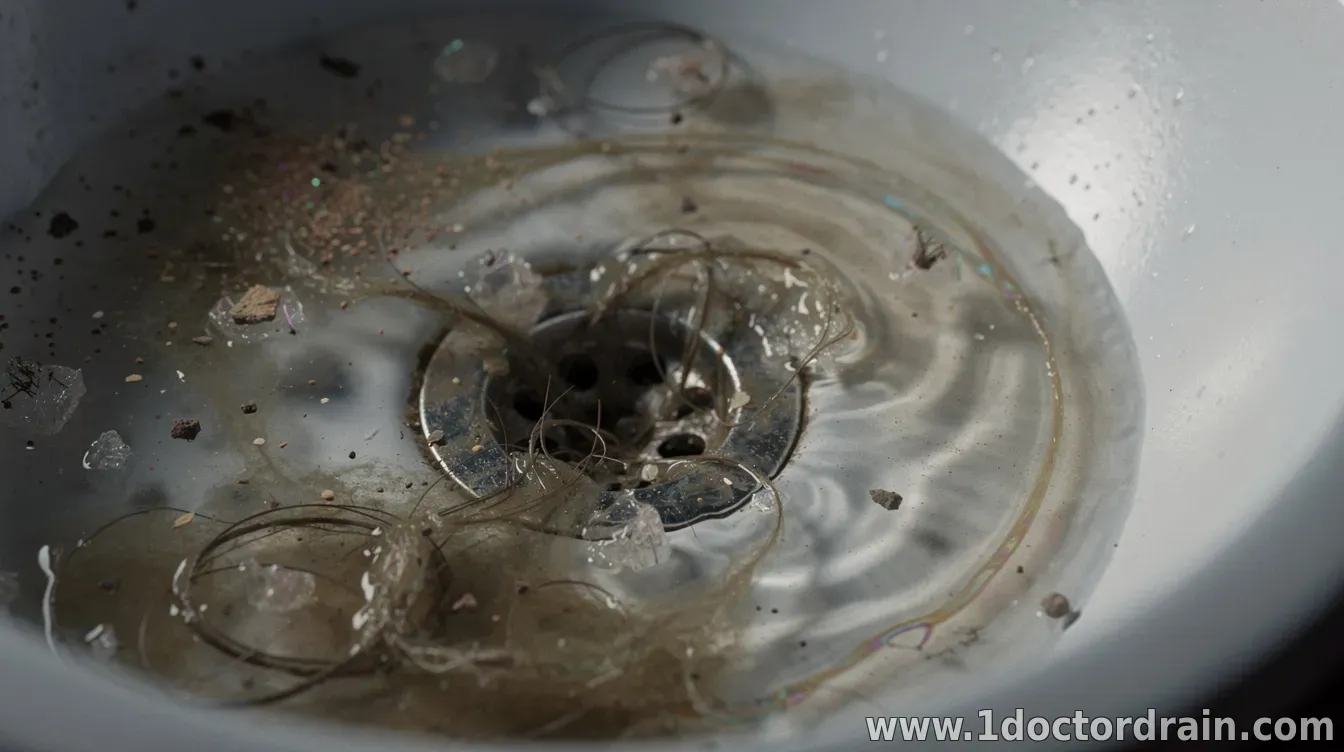
One of the most frequent causes is a buildup of hair and soap residue. In showers and bathrooms, hair can form a mat that traps other materials, while soap scum and shampoo thicken the blockage over time. This often shows up as gurgling sounds or water draining more slowly than usual.
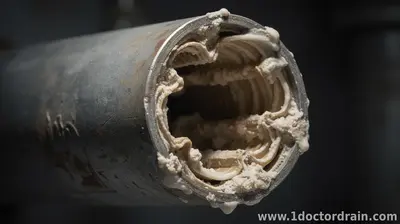
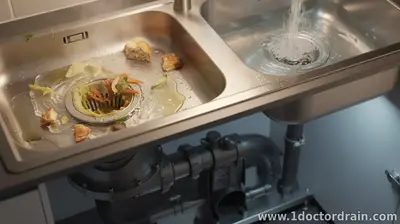
In kitchens, grease is a major culprit. Cooking oils and fatty food particles can cool inside pipes and stick to the interior surfaces, gradually narrowing the passage. Over time, even small amounts of grease—combined with food debris—can lead to persistent clogs and odors.
Another common factor is foreign objects and debris. Items like paper products, wipes (even “flushable” ones), food scraps, and non-water-soluble materials can accumulate and create blockages, particularly in older plumbing or drain lines with bends. How other plumbing issues contribute
Tree roots can also be a surprising cause, especially for outdoor drains and sewer lines. Roots follow moisture and can infiltrate small cracks, reducing flow and sometimes causing recurring backups during rainy periods.
Pipe corrosion and partial damage can slow drainage too. If a pipe has become rough on the inside or is developing a clog-prone area, blockages can form faster—even from materials that wouldn’t cause issues in healthier pipes.
Ventilation problems are another often-missed contributor. Drains need proper venting so air can move through the plumbing system. When a vent is blocked or failing, water may drain slowly and you may notice gurgling in sinks, tubs, or toilets. Why identifying the cause matters
The pattern of the problem can provide clues. If a single fixture is affected, the clog may be localized (like hair or food buildup). If multiple drains back up at once, the issue may be in a shared line or related to venting or a main drain restriction.
Homeowners can reduce the likelihood of repeated clogs by using drain strainers, avoiding pouring grease down sinks, and being selective about what goes into drains. When problems persist, professional inspection—such as camera checks—can help confirm whether the issue is a straightforward blockage or a deeper plumbing concern.
For safety and cost control, it’s also wise to address early warning signs like slow drainage, recurring odors, and gurgling. Catching the cause early can prevent backups, water damage, and more expensive repairs later.
| |
|
| |
CALL ☎ Subscribe 👆
Next & Previous posts
Related materials:
CONTACT US 📩
Submit the form, we'll contact you as soon as possible!