3:55 AM Sewage Ejector Pump: What It Is and How It Works | |
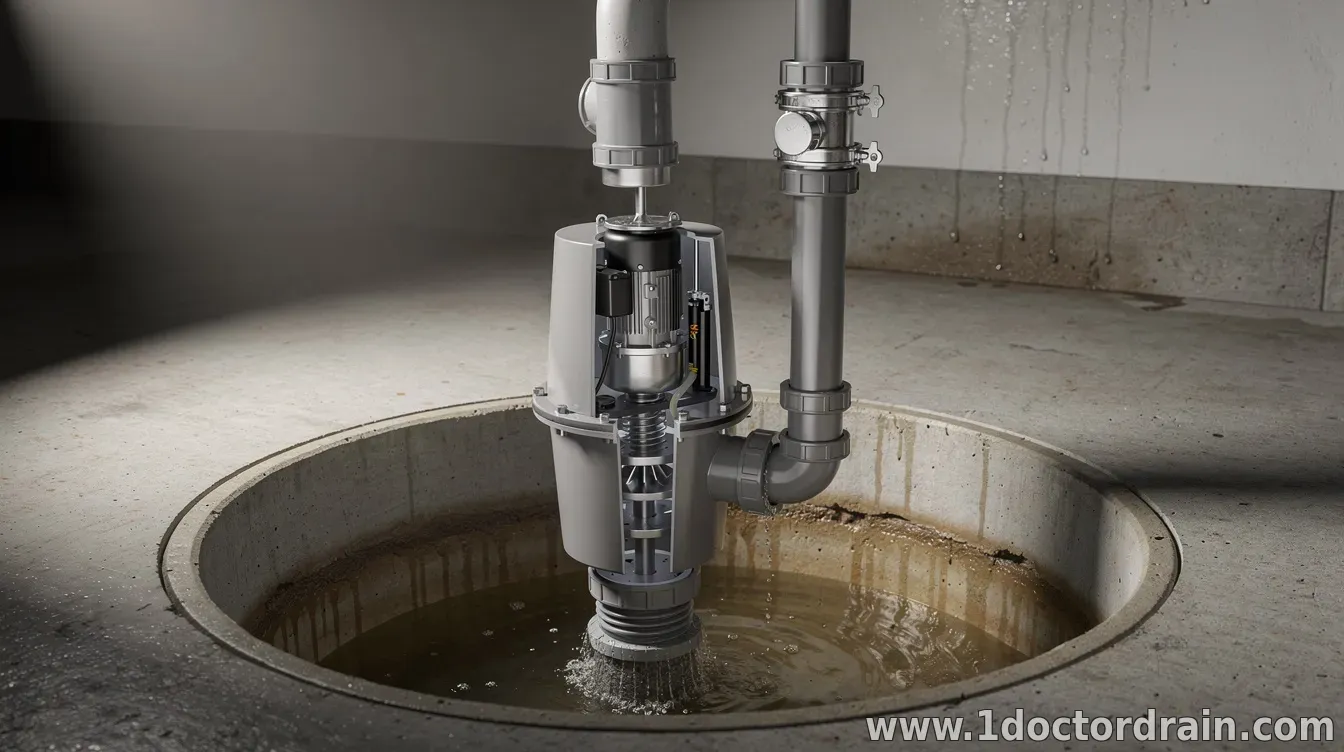
A sewage ejector pump is a type of wastewater pump designed to move sewage and other heavily contaminated water from locations below the level of a sewer line. When gravity drainage won’t work—such as basements, below-grade bathrooms, or pits—an ejector pump helps route waste to a main drain or septic system.
Unlike clean-water pumps, sewage ejector pumps are built to handle solid waste and higher concentrations of organic matter. Many models use a grinder or macerating system to reduce particle size, helping prevent clogs. How a sewage ejector pump works
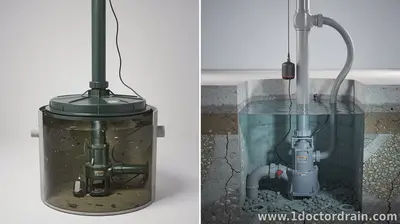
Most sewage ejector systems include a sealed sump or tank, a pump, and a set of controls (often a float switch). As wastewater collects in the tank, the pump is triggered once the liquid reaches a certain level. The pump then pushes the waste through a discharge pipe—usually into a higher drain line—until the tank level drops and the pump turns off.
Because the system is designed for harsh conditions, ejector pumps often incorporate features such as abrasion-resistant materials, sealed motors, and corrosion-resistant components. Where sewage ejector pumps are used
Sewage ejector pumps are commonly found in residential and light commercial buildings where plumbing fixtures are installed below the main sewer connection or where the sewer line is too high. Typical applications include:
In some configurations, the pump discharges to a municipal sewer, while in others it may feed into a septic system or an intermediate lift station. Sewage ejector vs. sump pump: key differences
Homeowners often confuse sewage ejector pumps with sump pumps. A sump pump is generally intended for relatively clean groundwater or surface water (such as rainwater and seepage). A sewage ejector pump, on the other hand, is specifically rated for wastewater that may contain human waste, toilet paper, and other solids.
Choosing the wrong pump type can lead to early failure, clogs, or unsafe operation. What to look for when choosing one
If you’re selecting an ejector pump, key specifications matter as much as brand or price. Look for:
Installation details—like venting, check valves, and correct pipe routing—are also critical for reliable performance and odor control. Maintenance and safety tips
Regular maintenance helps prevent blockages and reduces the risk of backups. Many installers recommend periodic checks of the tank, floats/switch operation, and discharge line condition. If your ejector pump includes an alarm, test it according to the manufacturer’s guidance.
It’s also important to avoid flushing items not meant for toilets, since even grinder-equipped systems can be overwhelmed by “non-waste” objects.
When installed and maintained properly, a sewage ejector pump can provide dependable wastewater handling in homes and buildings where gravity drainage isn’t possible.
| |
|
| |
CALL ☎ Subscribe 👆
Next & Previous posts
Related materials:
CONTACT US 📩
Submit the form, we'll contact you as soon as possible!