4:13 AM Garbage Disposal and Drains: How They Interact | |
|
A garbage disposal is designed to grind food scraps into smaller pieces, but it doesn’t eliminate drainage problems—it shifts them. In most homes, whatever passes through the disposal still travels through the same pipes, traps, and (crucially) the venting system. That’s why disposal issues and drain issues so often show up at the same time. How the disposal and the drain work together
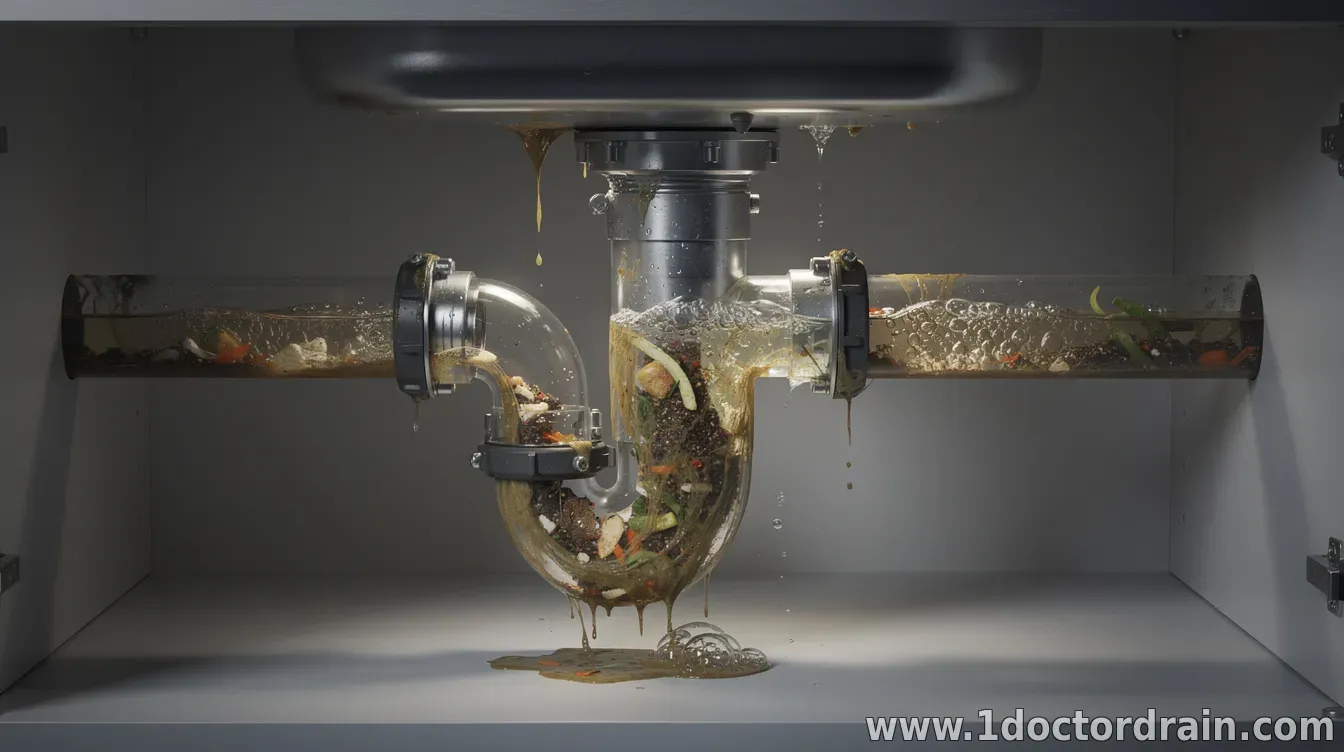
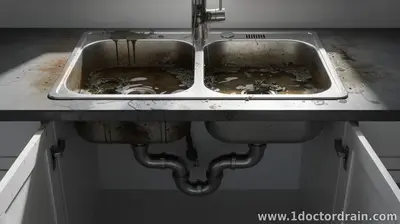
When you run the disposal, wastewater flows from the sink into the disposal unit and then into the drain line. The sink’s drain trap helps prevent sewer gases from entering your home, while the vent stack allows air to move through the plumbing. If air can’t circulate properly, water may struggle to drain even if the disposal is grinding normally.
Because the disposal’s outlet connects to the main drain (or a nearby drain section), clogs, grease, and partial blockages can affect both disposal performance and other plumbing fixtures downstream. Common problems that happen “together”
Slow draining or backups at the sink. A disposal clog can trap debris, but grease and starchy foods can also accumulate in the same line. The result is often water backing up in the sink, gurgling sounds, or slow drainage after disposal use.
Disposal runs, but water still doesn’t go down. This can indicate the disposal is grinding, yet a blockage exists further along the drain line—or the venting system is restricting airflow. Poor venting frequently shows up as sluggish drainage across multiple fixtures.
Bad odors and repeated clogs. Over time, organic material, grease films, and food residue can create a “sticky” buildup in the drain and trap. Even if the disposal is cleaned superficially, the combined system can keep accumulating material. What causes the failures: shared culprits
Grease and oils. They cool and solidify inside pipes, especially near bends or the disposal outlet. Once buildup forms, it reduces flow and makes future debris harder to pass.
Starches and fibrous foods. Items like pasta, rice, potato peels, coffee grounds, and celery can contribute to clogs—either by expanding, matting, or creating residue that traps other particles.
Improper disposal use. Running the disposal with little water, overloading it with large batches, or grinding non-food items can lead to jams that coincide with drain problems.
Vent issues. A clogged or damaged vent stack can make draining inconsistent. When the sink struggles to clear, it often looks like a disposal problem, even when the disposal itself is functioning. How to troubleshoot safely
Start with simple checks: confirm the disposal is powered and resetting properly, then observe whether the issue is limited to the kitchen sink or affects other drains too. If other fixtures (like the dishwasher drain, tub, or toilet via shared plumbing) also drain slowly, the root cause is more likely downstream or related to venting.
Next, test drainage after clearing visible debris from the sink strainer. If water still backs up, avoid repeating disposal runs—this can grind debris into smaller pieces that still won’t move past the blockage. Consider using a plumber’s snake to reach deeper into the line if you’re comfortable and the clog location allows safe access.
If you notice persistent gurgling, repeated sink backups, or foul odors returning quickly, the issue may require professional inspection. Plumbers can check the disposal outlet connection, the P-trap, the drain line, and the venting path. Prevention: reducing “together” problems
Prevention largely comes down to what you put down the disposal and how you run it. In practice, using plenty of water while running the disposal helps carry particles through the system. Avoid sending grease and large amounts of starchy or fibrous foods, and keep the trap and disposal area clean to limit buildup.
Because the disposal and the rest of your drain system share the same pathways, problems often aren’t isolated. When you understand the interaction—especially the role of airflow and where waste accumulates—you can diagnose quicker and prevent backups before they escalate.
| |
|
| |
CALL ☎ Subscribe 👆
Next & Previous posts
Related materials:
CONTACT US 📩
Submit the form, we'll contact you as soon as possible!