2:44 AM Basement Floor Drain Backups During Storms: What to Do | |
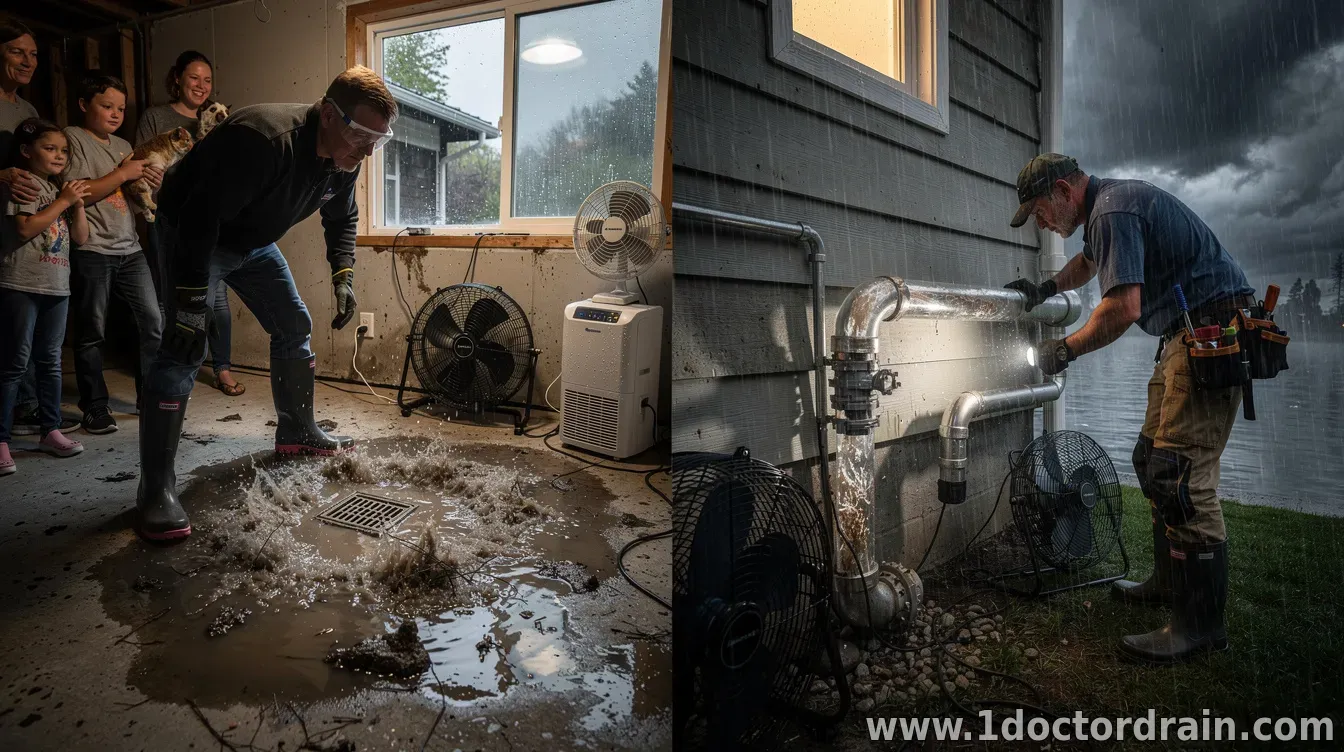
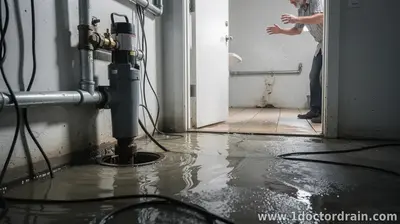
During intense storms, basement floor drain backups can turn a routine homeowner concern into a fast-moving flooding problem. When the sewer line or stormwater system is overwhelmed, water can reverse direction and travel back through floor drains—damaging floors, walls, utilities, and stored belongings.
While the exact cause varies by property and local infrastructure, the response plan is similar: act quickly to limit damage, protect health, and identify the right long-term fix. What to do right away during a backup
If you notice water rising from a basement floor drain, treat it as an active water emergency. Start by preventing electrical hazards: avoid standing water near outlets, shut off power to affected areas if it’s safe to do so, and do not enter contaminated water without protective gear.
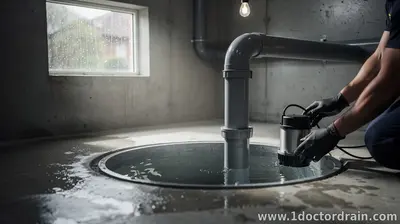
Next, reduce the amount of water entering the system. If safe, close nearby valves or stop any obvious sources (such as a sump pump failure) and move valuables away from the affected area. If water is coming up rapidly or you suspect sewage contamination, contact emergency or professional services rather than attempting cleanup immediately. Safety first: avoid sewage exposure
Backups can contain wastewater and bacteria. If the water has an unpleasant odor, discoloration, or debris, assume it may be contaminated. Wear appropriate protective equipment (gloves, boots, and eye protection), ventilate the space, and keep children and pets away.
After the immediate threat passes, remove standing water promptly and dry the area thoroughly to prevent mold growth. Professional remediation may be warranted if materials were soaked or if there’s significant contamination. Identify likely causes after the storm
Once conditions stabilize, determine what triggered the reversal. Common contributors include a clogged drain, a failed check valve, an undersized drainage route, or sewer system surcharging during heavy rainfall. In some cases, roof gutters or downspouts may be channeling too much water toward the home’s drainage connection, increasing pressure during storms.
Homeowners can also review whether the issue is repeatable only during storms (suggesting external system surcharge) or whether it occurs after rain with other signs (such as gurgling pipes). A licensed plumber or local sewer authority can help confirm whether the problem is internal, connection-related, or municipal. Prevention steps that can reduce future backups
Long-term prevention typically focuses on keeping water moving the right direction and reducing the load entering the system during storms. Consider these measures:
Because local codes and plumbing configurations vary, the best hardware solution depends on how your basement drain connects to the sewer or storm system. A professional can verify whether your setup is compatible with backflow protection. When to call a professional
Contact a qualified plumber promptly if you see recurring backups, suspect a blockage inside the home, or discover that a backflow prevention device is missing or malfunctioning. Call the sewer utility or relevant local authority if the backup appears tied to citywide surcharging during storms or if multiple nearby properties report similar problems.
If you had extensive water damage, strong sewage odors, or materials that were saturated for more than a short period, consult a cleanup and restoration specialist. Prompt remediation can reduce odors and lower the risk of mold and structural deterioration.
Basement floor drain backups during storms are often solvable, but timing and safety matter. By responding quickly, protecting occupants, and investing in targeted prevention—rather than only cleanup—you can significantly reduce the likelihood of repeat flooding and protect your home during the next heavy rain.
| |
|
| |
CALL ☎ Subscribe 👆
Next & Previous posts
Related materials:

CONTACT US 📩
Submit the form, we'll contact you as soon as possible!