
2:22 AM How to Detect Water Leaks and Why Quick Action Matters | |
|
Water leaks often start quietly—sometimes as a faint drip, a damp spot, or an unexplained increase in your water bill. The challenge is that many leaks happen behind walls, under floors, or underground, meaning you may not see the problem until damage is already underway.
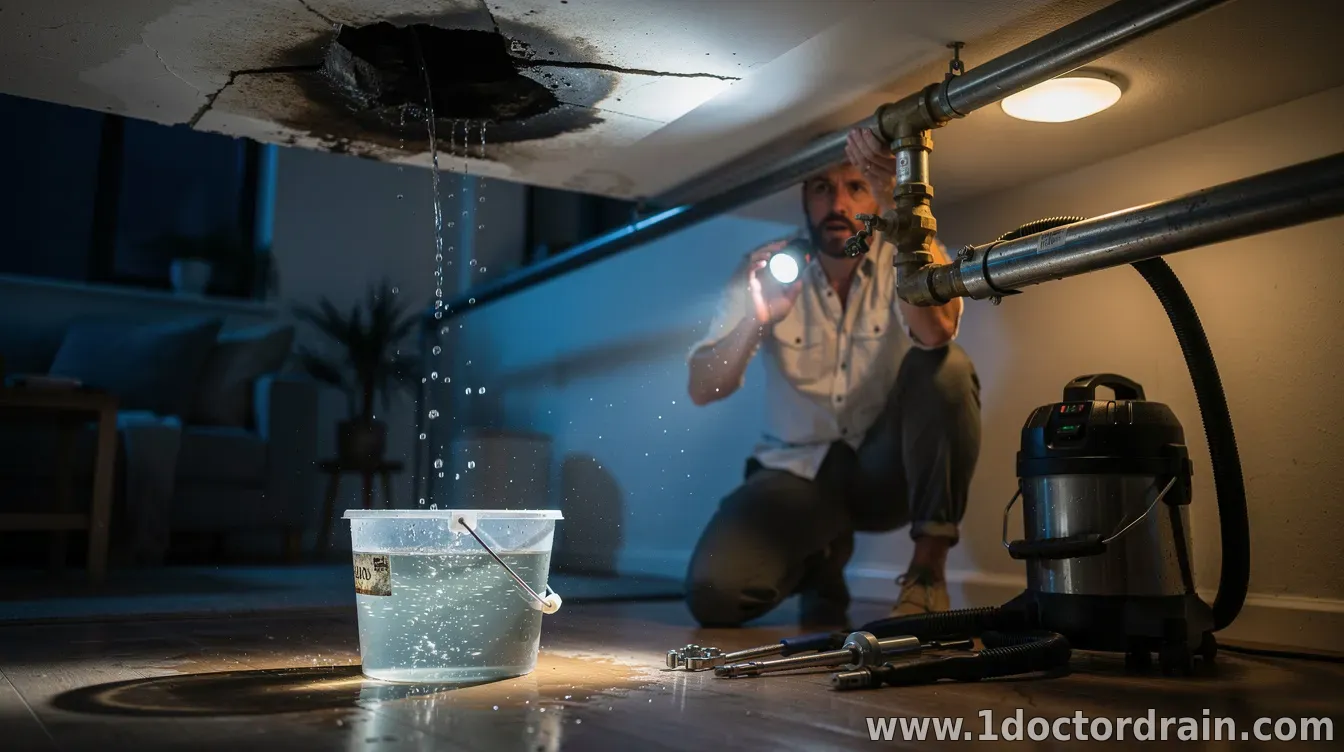
Detecting leaks early and responding quickly can limit repair costs, protect your home’s structure, and reduce the risk of mold. Below are practical ways to spot leaks and the most important reasons to act without delay. Start with the signs you can see
Begin your inspection by looking for obvious clues. Common indicators include persistent dripping sounds, water pooling near fixtures, damp drywall, peeling paint, warping wood, or rust around pipes and fittings. If you notice these symptoms, treat them as “active” until proven otherwise. Use a simple home water test
A fast way to confirm whether water is leaking is the “meter test.” First, make sure no water is being used in the home (no showers, dishwashers, or toilets). Then check your water meter. If the meter continues to move after a period of stable use—often 15–30 minutes—it strongly suggests water is still running somewhere.
If you have an individual shutoff valve near your main line, you can narrow the area by shutting off sections (for example, the irrigation line or a particular floor). By observing whether the meter stops moving after each shutoff, you can identify which part of the plumbing system is responsible. Check toilets and faucets—common culprits
Toilets are responsible for many household leaks because their internal components can wear over time. Look for “silent” leaks by adding a few drops of food coloring to the tank (or using a leak-detection tablet if available). Wait about 10–15 minutes without flushing. If color appears in the bowl, water is leaking and should be repaired.
For faucets, inspect for consistent drips, water collecting around the base, or moisture around supply lines. Even small, regular drips can add up quickly, especially for frequently used fixtures. Look for hidden leaks behind walls and under floors
Some leaks don’t show up until water spreads through building materials. Use your senses: feel for cool or damp spots, look for discoloration patterns that expand over time, and pay attention to drywall that is soft to the touch. In kitchens, bathrooms, and laundry areas, check where pipes run through wall cavities and where plumbing connections are located.
If you suspect a hidden leak, consider using tools such as a moisture meter or a thermal imaging camera to help pinpoint wet areas without opening up large sections of the home. These methods can save time—and reduce unnecessary demolition. Why quick action is critical
Time matters because water damage spreads. A leak that seems minor can lead to warped framing, compromised subflooring, electrical hazards near wet areas, and costly repairs. Faster detection also reduces the chance of mold growth, which can start within days under the right moisture and temperature conditions.
Quick action also protects your budget. Leaks can drive up water and sewer charges long before they become visible. Stopping the source sooner helps prevent both the immediate waste and the downstream costs of repairs and remediation.
Next steps: If you find signs of leakage, shut off the relevant water supply if possible, document the problem (photos and the date you noticed it), and schedule repairs promptly. For recurring or hard-to-locate leaks—especially those involving ceilings, floors, or underground lines—professional diagnostics can be the fastest route to a permanent fix.
| |
|
| |
CALL ☎ Subscribe 👆
Next & Previous posts
CONTACT US 📩
Submit the form, we'll contact you as soon as possible!