6:54 AM Steps to Take When Storm Surge Backs Up Into Basement Drains | |
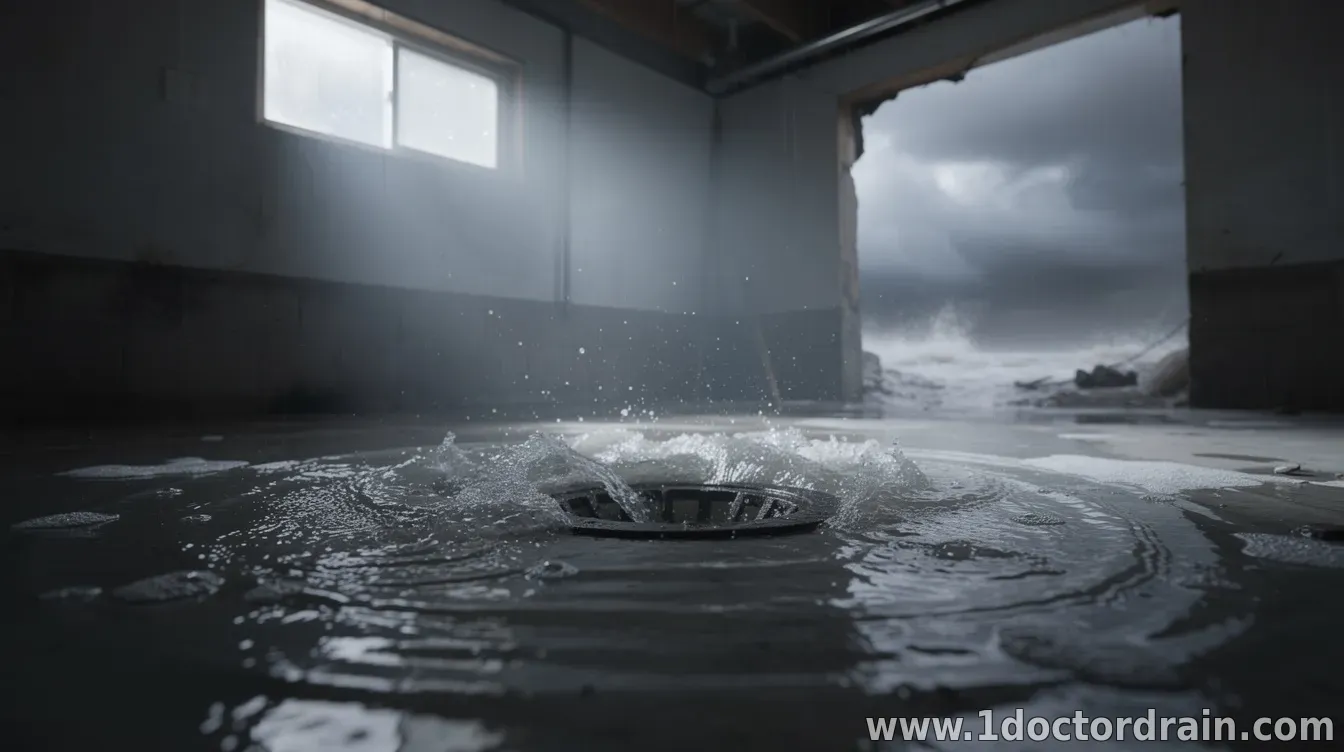
When a storm surge (or heavy rainfall) forces water up and back through a home’s basement drain, the situation can turn dangerous quickly. Backup water may carry sewage, chemicals, and debris, raising risks ranging from contamination to electrical hazards. Act immediately to reduce risk
The first priority is safety. Keep people and pets away from the affected area, and avoid touching standing water if you suspect it may be contaminated. If water is near outlets, wiring, or appliances, do not handle electrical fixtures—shut off power to the impacted circuits from the breaker if you can do so safely.
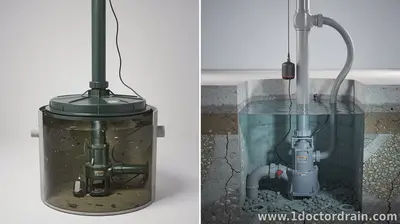
Next, limit additional water intrusion. If your home has a basement drain system connected to a sump pump, check whether the pump is running and free of obvious blockages. During dangerous flooding conditions, avoid going into deep water. Shut down plumbing risks and prevent further backflow
If backup is coming specifically through a floor drain, laundry drain, or basement plumbing line, stop using fixtures that could add more water pressure. Avoid flushing toilets or running sinks until the situation is understood, as this can intensify the backup.
Many homes are protected by a backflow preventer or a check valve on sewer lines. If your system includes one and you know where it is, verify it’s not jammed. If you suspect failure of a check valve or backflow device, treat it as a malfunction and prioritize professional inspection before relying on the system again. Contact utilities and professionals when sewage is possible
Because storm surge and extreme rainfall can overload municipal sewer systems, backup into basement drains can indicate sewer intrusion rather than clean storm water. If the water smells like sewage, contains solid waste, or is discolored, contact local water or wastewater authorities and a licensed plumber or restoration professional. They can advise whether the main line is impacted and help determine the safest cleanup approach.
If you need temporary relief, use pumps rated for contaminated water only if it’s safe to do so and electrical risks are controlled. Avoid improvised equipment that could malfunction or increase exposure. Clean and disinfect after the water recedes
Once water levels drop and power is fully addressed, cleanup should be handled with protective gear. Use waterproof gloves, eye protection, and a properly fitted mask or respirator suited to contaminated environments. Remove and bag porous materials that cannot be effectively cleaned—carpet padding, damaged drywall, and insulation are common examples.
For washable surfaces, follow restoration guidance: remove debris first, then clean with detergent and water, and disinfect afterward using an EPA-registered disinfectant appropriate for sewage-contaminated areas. Ensure affected areas dry thoroughly with fans and dehumidifiers to reduce mold risk. Document damage and plan for prevention
Before discarding items, take photos and notes for insurance and restoration claims. After the immediate situation is under control, evaluate prevention measures such as installing or upgrading backflow prevention, ensuring sump pumps and check valves are correctly sized and maintained, and verifying that drainage systems are clear before the next storm.
Consider scheduling an inspection—especially if this was the first time backup occurred or if you noticed slow drainage, gurgling sounds, or recurring wet spots. With the right safeguards, you can reduce the likelihood that storm surge or overloaded sewer lines will back up into your home.
| |
|
| |
CALL ☎ Subscribe 👆
Next & Previous posts
Related materials:

CONTACT US 📩
Submit the form, we'll contact you as soon as possible!