3:13 AM Trenchless Sewer Repair: Is Your Property a Good Candidate? | |
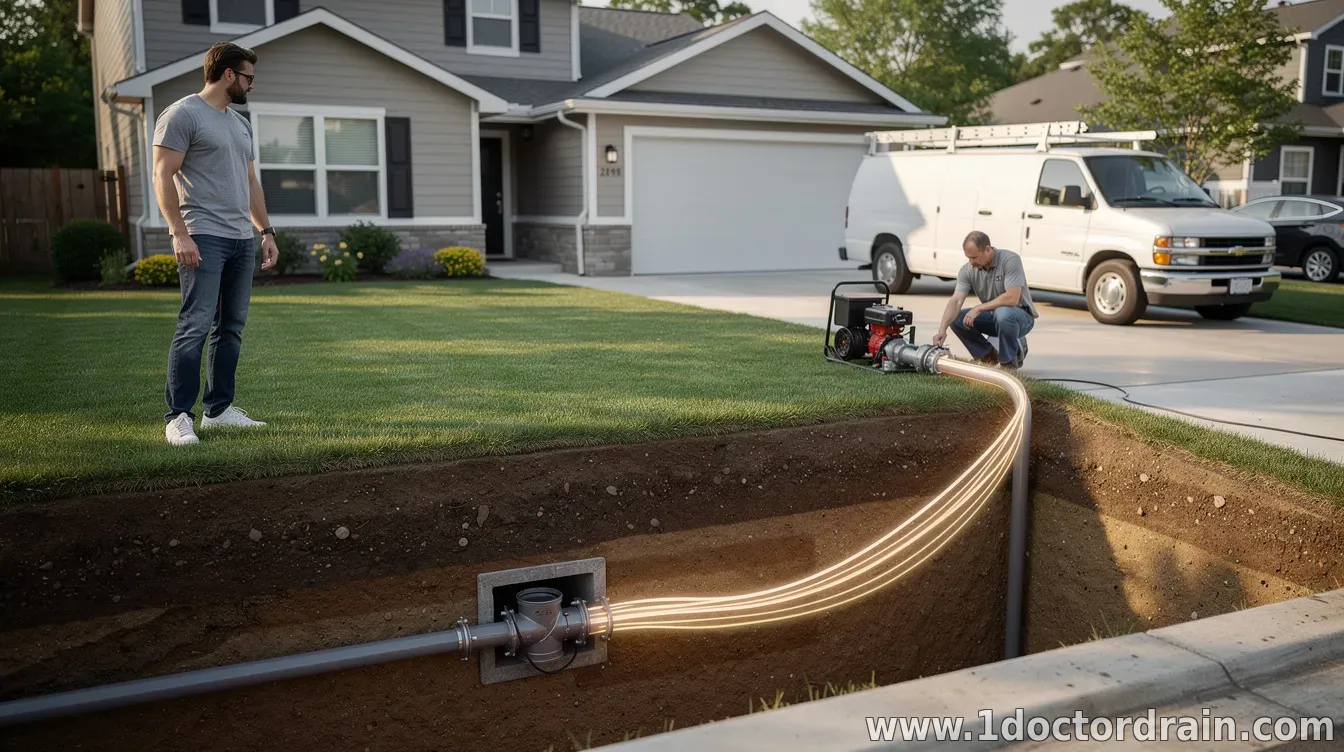
Trenchless sewer repair—often done with methods like pipe lining or replacement through small access points—has become a go-to option for homeowners and commercial property managers. Compared with traditional open excavation, it typically limits yard and roadway disruption while restoring flow more efficiently. Still, the best choice depends on your sewer’s condition, site constraints, and local conditions.
The short answer: many properties qualify, but not all defects, layouts, and damage patterns are ideal for trenchless work. A professional inspection and camera assessment are usually the deciding factors. 1) Your main sewer line and damage type matter
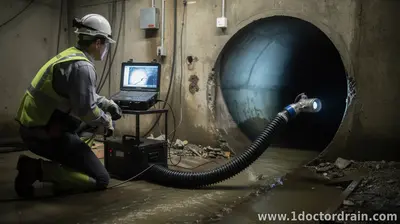
Most trenchless projects start with a CCTV inspection of the sewer. If the pipe has issues such as cracks, root intrusion, minor collapses, or structural deterioration, trenchless lining or other minimally invasive techniques may be suitable. However, severe damage—such as extensive collapse, large missing sections, or misaligned runs beyond a technique’s tolerances—can require targeted excavation or a different repair approach.
Even then, “not trenchless everywhere” doesn’t necessarily mean “no trenchless at all.” Some systems can combine trenchless repair for accessible segments with limited open work where required. 2) Access points and site constraints can make or break the plan
Trenchless methods rely on smaller entry points than traditional digging. If your property can accommodate these access locations—such as near cleanouts, manholes, or the path between them—your candidacy improves. Tight setbacks, utility congestion, limited space, or difficult surface conditions (like dense landscaping or fragile drive surfaces) may not rule out trenchless work, but they can affect which trenchless technique is feasible and how the contractor will stage equipment.
For properties with multiple laterals or complex routing, a careful mapping of the sewer path is important. A reliable contractor will consider how equipment and crews will reach the job site safely and efficiently. 3) Pipe diameter, material, and condition influence the best method
Trenchless repair options vary by pipe size and material (for example, older clay, cast iron, or newer plastics may respond differently to specific methods). The condition of the internal surface also matters. Heavy scaling, severe corrosion, or deep structural damage may require additional preparation steps or a different repair solution.
During evaluation, contractors typically assess not only the defect location and size, but also the pipe’s overall internal profile. That helps determine whether a liner will bond effectively and provide the required structural support. 4) Flow, backup history, and root intrusion can still fit trenchless—if treated correctly
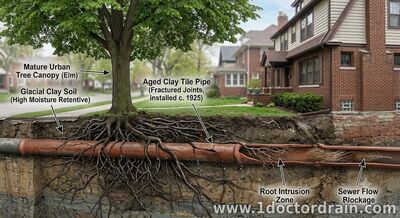
Properties that have experienced slow drains, recurring backups, or history of tree-root intrusion are common trenchless candidates. Lining systems can seal entry points and reduce future infiltration when properly installed. That said, root-related issues often benefit from targeted cleaning and preparation before lining to ensure adhesion and long-term performance.
If a property has repeated blockages over time, the inspection may reveal additional contributing factors such as grease buildup, debris, or multiple defect types along the line. A good contractor will address the full system rather than focusing only on the most visible problem spot.
What to expect from a proper “candidacy” assessment
If you’re considering trenchless sewer repair, ask for a clear evaluation process. In most cases, it includes a CCTV inspection report, identification of defect locations and severity, confirmation of pipe size/material, and a discussion of likely outcomes. A credible contractor should also explain whether your site conditions support access point placement and how they’ll protect landscaping and structures during work.
Bottom line Many homes and businesses are strong candidates for trenchless sewer repair—especially when defects are localized, the pipe has structural issues short of full replacement needs, and access points can be planned effectively. The most reliable way to know is to match your inspection findings to the right trenchless method, or to use a hybrid approach when selective excavation is necessary.
If you can share details like pipe material (if known), where backups occur, and whether the sewer run includes cleanouts or manholes, an assessment can narrow down the most suitable repair path.
| |
|
| |
CALL ☎ Subscribe 👆
Next & Previous posts
Related materials:
CONTACT US 📩
Submit the form, we'll contact you as soon as possible!