1:06 AM What to Expect During a Sewer Camera Inspection | |
|
A sewer camera inspection is one of the most direct ways to identify blockages, cracks, roots, corrosion, and other issues inside underground pipes. Property owners and service teams often rely on this method because it can pinpoint where a problem is located without extensive digging.
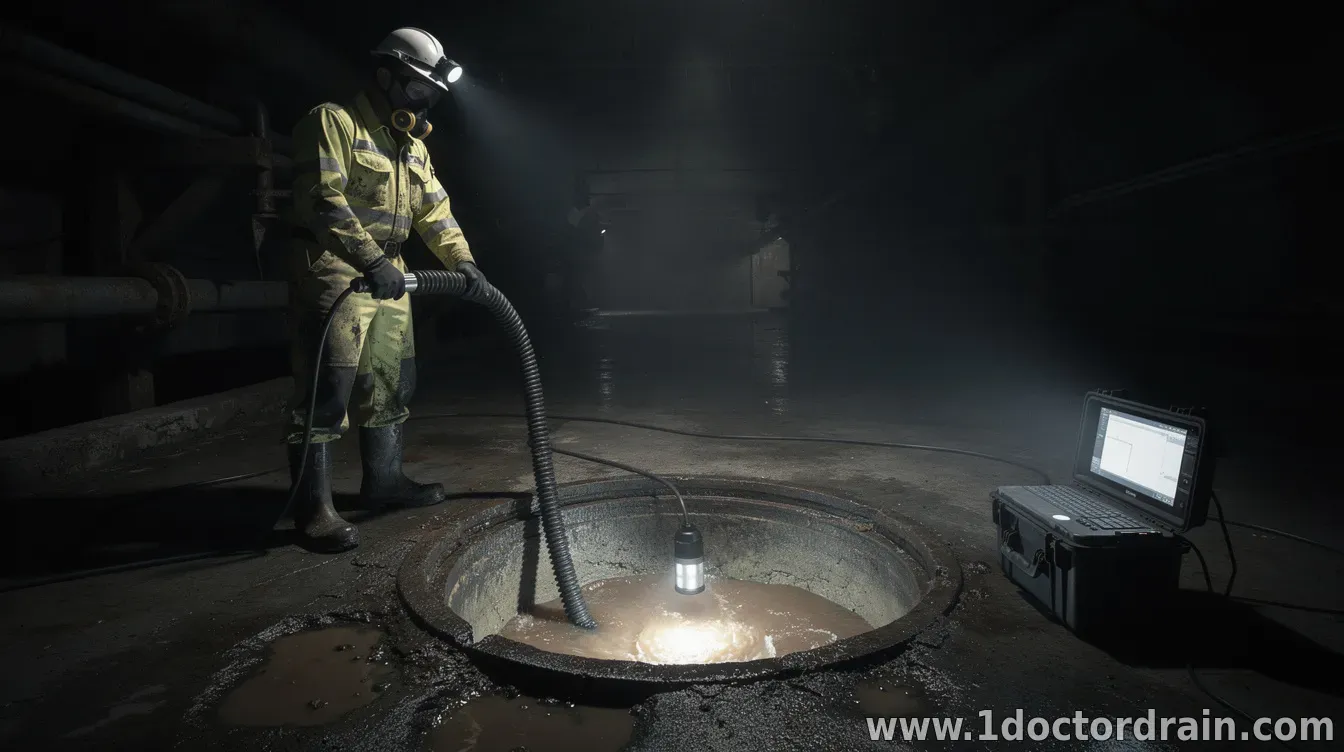
During the process, a technician inserts a camera attached to a flexible cable into the pipe. As the equipment travels through the line, the camera transmits real-time video to a monitor so the team can inspect the condition of the interior.
Before the inspection, the work usually starts with preparation and planning. Many companies ask you to provide details about symptoms (slow drains, backups, unusual odors, recurring clogs) and may confirm access points such as cleanouts or manholes. If the line is heavily obstructed, the technician might perform targeted cleaning first so the camera can pass safely. During the inspection
Once the camera is deployed, technicians typically advance it slowly while watching the live feed. They look for signs of damage or obstruction, including collapsed pipe sections, offset joints, scaling, standing water, and root intrusion. The camera footage helps establish the line’s condition and can reveal whether the issue is localized or widespread.
As the inspection progresses, the technician may pause to capture key views, measure where findings occur, and note pipe size, alignment, and severity. Depending on the equipment and site conditions, the camera may move through multiple sections of the system, including laterals or service lines. What the results mean
After the camera run is complete, you should receive a clear summary of what was found, often paired with the recorded video. A good report explains the problem areas in plain language, estimates the relative severity, and may recommend next steps—such as targeted spot repairs, pipe replacement, or additional cleaning.
If the inspection shows roots or debris buildup, the technician may discuss options to remove the obstruction and prevent recurrence. If defects like cracks or displaced joints are visible, repair methods can be tailored to the location and extent of the damage.
Common questions include whether the inspection will require excavation (often, it won’t), how long it takes (frequently under a few hours, depending on access and condition), and what happens if the camera can’t pass due to a complete blockage. In many cases, partial obstructions can be cleared so the inspection can proceed.
Choosing a qualified provider matters: experienced technicians can interpret what they see on the footage and document findings in a way that supports accurate repair decisions. If you’re scheduling an inspection, ask what access is needed, whether cleaning is included, and how the final findings are delivered.
| |
|
| |
CALL ☎ Subscribe 👆
Next & Previous posts
CONTACT US 📩
Submit the form, we'll contact you as soon as possible!