9:02 AM Floor Drains: Why They Back Up and How to Prevent It | |
|
Backed-up floor drains are more than a nuisance: they can trap wastewater, cause foul odors, and sometimes lead to damage in basements, garages, and laundry areas. While the fix depends on the underlying cause, most backups share a few predictable triggers.
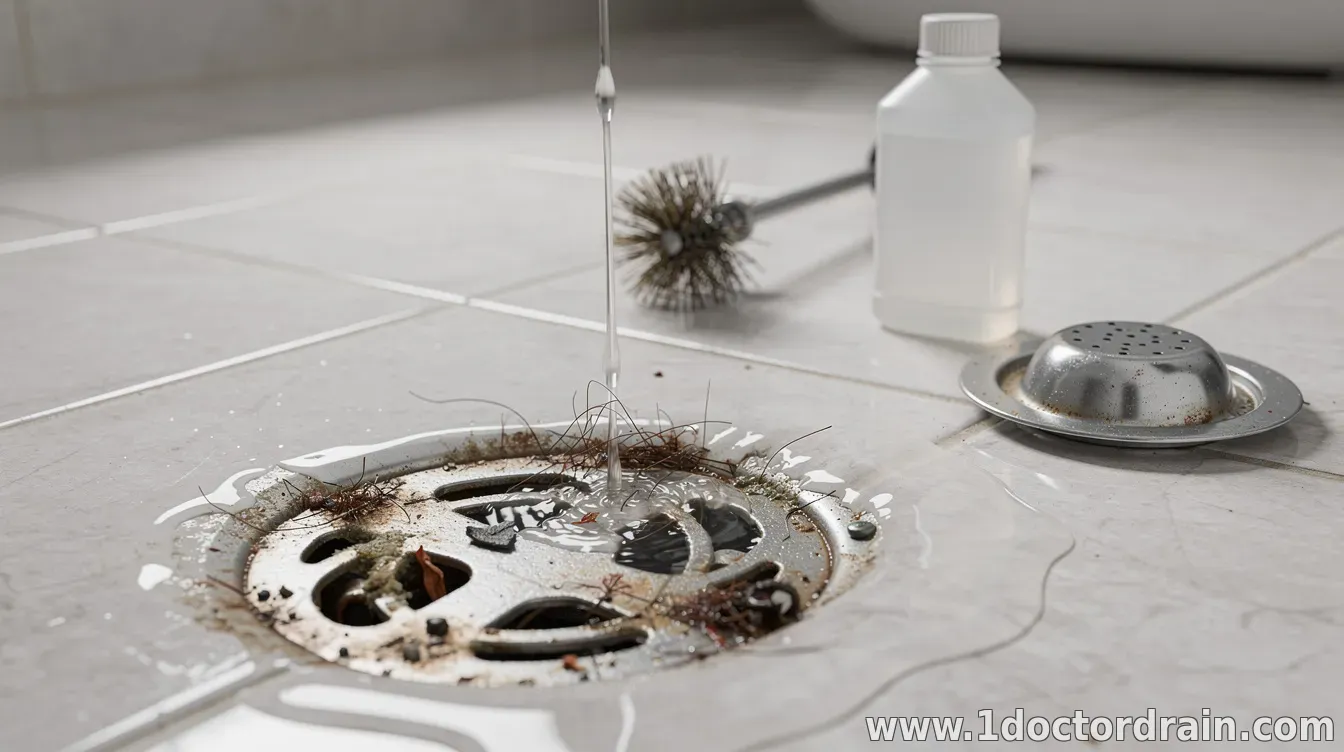
Common reasons floor drains back up often start with partial or complete blockages. Hair, soap scum, food particles, and sediment can accumulate and narrow the drain line over time. In homes with outdoor runoff or landscaping nearby, roots or debris can also infiltrate aging pipes and reduce flow.
Another frequent culprit is grease and oils. Even small amounts of cooking grease can solidify inside plumbing, especially in colder sections of a building. Over weeks or months, grease helps “glue” other debris in place, creating a blockage that suddenly becomes noticeable during heavy use.
Ventilation and pressure issues can also contribute. If the plumbing venting system is restricted or blocked, water may not drain smoothly, leading to slow flow or gurgling sounds. In some cases, pressure changes can push water back toward the lowest fixture, including a floor drain.
Finally, improper drain traps and missing protections can make backups more likely. Floor drains often rely on a mechanism—such as a trap or seal—to prevent sewer gases from entering living spaces. If that seal dries out, the drain may behave unpredictably, and odors may mask an early clog. How to prevent floor drain backups
Prevention usually comes down to keeping debris out, maintaining flow, and addressing venting. Start by cleaning the drain opening and surrounding grate regularly. If you use a strainer or hair catcher, empty it consistently—small habits reduce what can accumulate in the line.
For drains tied to kitchen or laundry activity, manage what goes down the drain. Scrape solids into the trash, avoid pouring grease directly into plumbing, and wipe oily cookware before rinsing. If you already suspect buildup, scheduled cleaning using professional methods is often safer than repeated DIY attempts.
Seasonal steps matter, particularly for homes where outdoor water can influence indoor drains. During wet months or storms, check downspouts and grading to reduce the amount of debris and water flowing toward the foundation. If roots or recurring sediment are an issue, a licensed plumber can inspect the line and recommend targeted fixes.
Listen for early warning signs. Slow draining, gurgling noises, or water pooling around the grate often indicates a developing obstruction or venting problem. Addressing these early can prevent a full backup and reduce the risk of wastewater overflow. When to call a professional
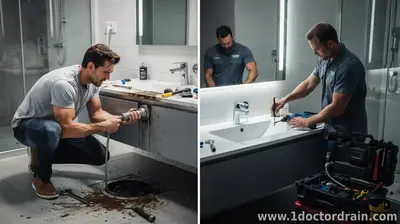
If you notice frequent backups, persistent odors, or repeated blockages after basic cleaning, it’s a sign the issue may be deeper in the pipe network. Professionals can perform inspections and use appropriate tools—such as camera evaluations—to identify the exact location and cause, whether it’s a blockage, damage, venting restriction, or root intrusion.
In most cases, the best strategy is simple: keep debris and grease out, maintain drain components, watch for early symptoms, and schedule inspections when problems recur. Taking these steps now can help keep floor drains flowing freely when you need them most.
| |
|
| |
CALL ☎ Subscribe 👆
Next & Previous posts
Related materials:


CONTACT US 📩
Submit the form, we'll contact you as soon as possible!