2:44 AM How Tree Roots Enter Sewer Lines—and How to Stop Them | |
|
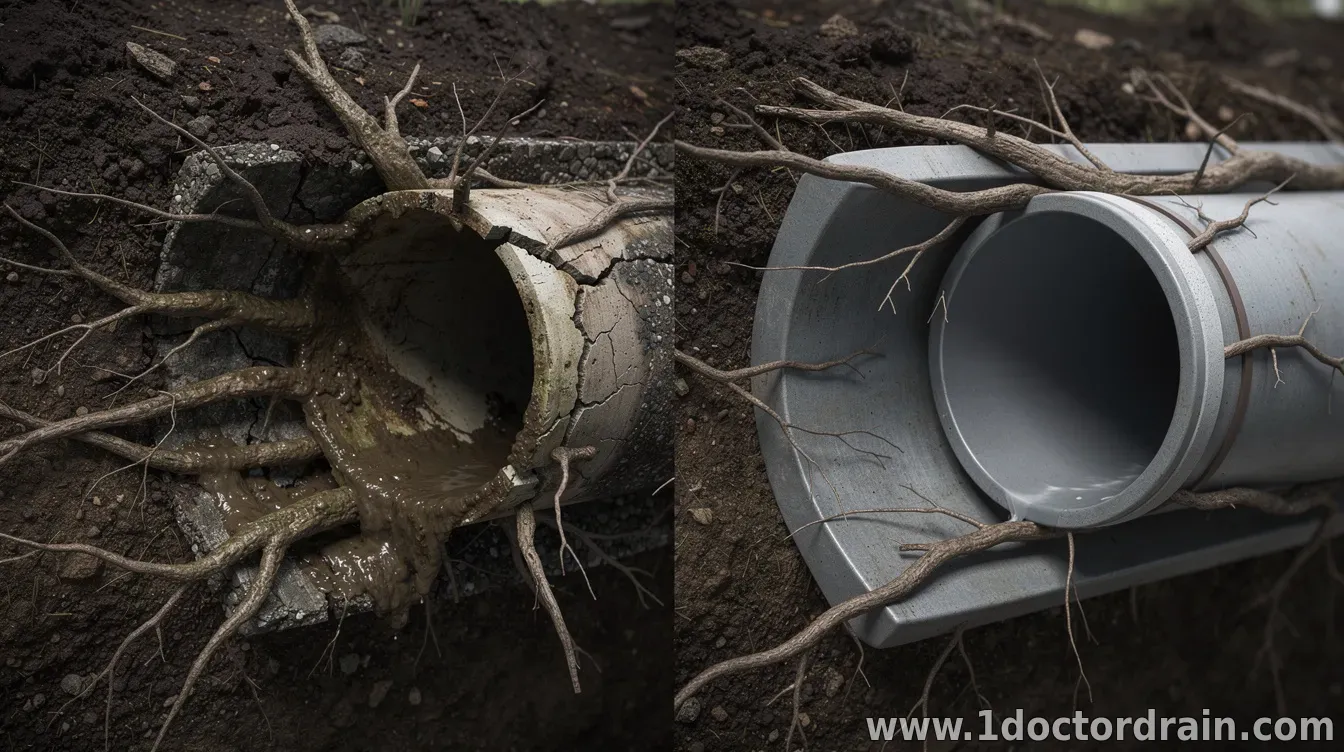
Tree roots growing toward moisture can be a hidden cause of sewer backups. Even when a pipe is “working,” microscopic leaks, aging joints, or small breaks can let water and air escape—creating an attractive path for roots to enter and expand. How roots get into sewer lines
In many cases, roots do not break through sound pipe by force. Instead, they exploit vulnerabilities. Cracks in pipe walls, gaps at joints, collapsed sections, or connections that have shifted over time can allow roots to reach the interior where moisture and nutrients are available.
As roots advance, they can thicken and branch inside the line, narrowing flow channels. That narrowing increases the likelihood of debris buildup, grease accumulation, and further blockages—turning a slow infiltration issue into a recurring emergency. Signs you may have a root intrusion problem
Homeowners and building managers often notice symptoms before an inspection confirms the cause. Common indicators include frequent clogs, recurring slow drains, sewage odor, gurgling sounds from toilets or sinks, and backups that worsen after wet weather.
In larger buildings or municipal systems, crews may also spot root-related patterns through CCTV inspections, where they can see root strands, partial blockages, or damaged pipe segments connected to the infiltration path. Why “chemical drain cleaners” aren’t the whole solution
Many drain-cleaning products target organic buildup and grease, but they can be limited against established root masses in sewer lines. Some chemicals may only clear temporarily or can create other risks, including damage to plumbing components or unsafe handling concerns.
Professionals generally recommend addressing the root cause: locating the intrusion point and restoring the pipe’s integrity so roots cannot re-enter. That approach reduces repeat problems compared with short-term clearing. Practical ways to stop tree roots from recurring
Mitigation usually combines inspection, targeted removal, and longer-term prevention. Depending on the pipe condition and severity of intrusion, utilities and plumbing contractors may use methods such as mechanical root cutting during cleaning, then follow up with repairs.
In some settings, contractors also recommend physical barriers or specialized root-management strategies, but these are most effective when paired with actual repair of vulnerable pipe sections. What municipalities and utilities do
City sewer systems often handle root intrusions with a mix of preventive maintenance and targeted remediation. Crews may proactively inspect high-risk areas—especially near mature trees, older neighborhoods, and known pipe deterioration zones—then schedule cleaning and repairs before blockages become emergencies.
For homeowners connected to municipal systems, the best outcomes typically come from coordinated action: documenting recurring backups, requesting a root-focused inspection, and ensuring repairs restore the sewer line rather than just clearing a symptom. When to call a professional
If backups repeat, drains slow progressively, or there are sewage odors or gurgling noises, it’s usually time for a professional assessment. A root issue can be hard to diagnose without cameras, and incorrect fixes may delay the inevitable—especially if the underlying pipe damage remains.
With the right inspection and repair plan, most root intrusions can be controlled long-term, reducing the risk of future clogs and protecting both property and public infrastructure.
| |
|
| |
CALL ☎ Subscribe 👆
Next & Previous posts
Related materials:
CONTACT US 📩
Submit the form, we'll contact you as soon as possible!