1:36 AM Snaking vs. Hydro Jetting: When to Use Each | |
|
When a drain backs up, two common solutions come up quickly: drain snaking (also called cable or auger clearing) and hydro jetting. Both can restore flow, but they’re not interchangeable—each method performs best under different conditions.
Understanding how they work—and where their strengths and limits lie—can help you decide what to ask a plumber for and what to expect. How drain snaking works
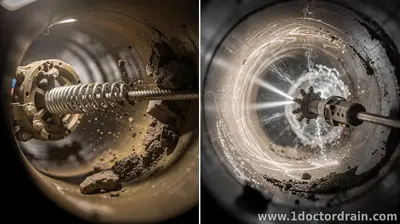
Snaking uses a rotating cable or auger inserted into the drain line. The tool breaks up common clogs such as hair, grease buildup, or compacted debris and then helps clear the pathway so water can pass.
Because it’s mechanical, snaking can be a good first step when the blockage is localized and not heavily coated along long sections of pipe. Pros of snaking
Drain snaking tends to be faster for many “typical” clogs and is often less expensive upfront. It’s also effective when you need to reach and mechanically dislodge obstructions near bends or where debris has collected.
For some partial blockages, snaking may restore flow without requiring more aggressive cleaning. Cons of snaking
The main limitation is that snaking is often better at removing the obstruction than fully cleaning the pipe walls. If grease, scale, or other buildup is clinging to the inside of the pipe, snaking may reopen the line temporarily while leaving residue that can lead to repeat backups.
In addition, if the clog is widespread or layered, a cable may not adequately address the full length of the problem. How hydro jetting works
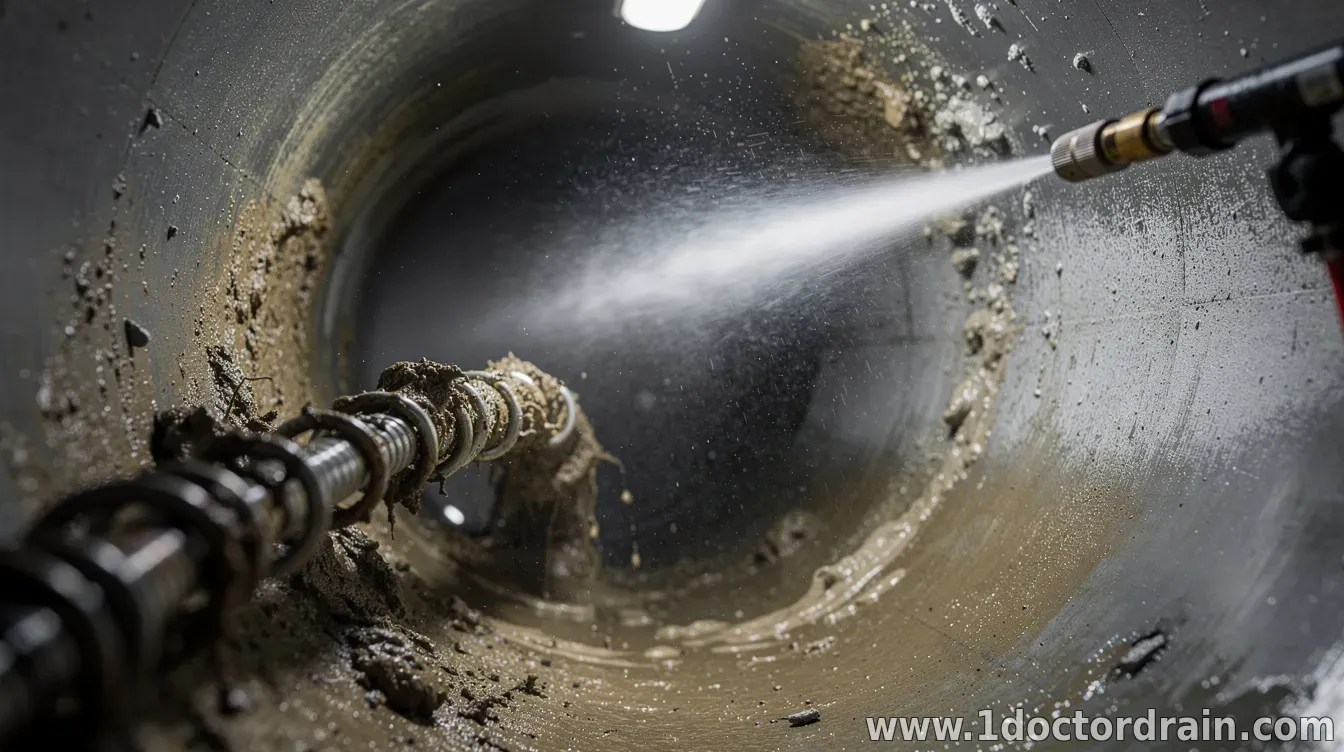
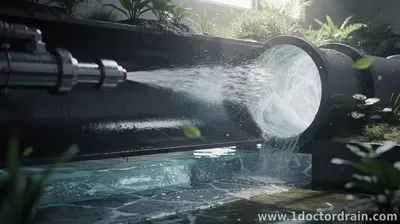
Hydro jetting uses high-pressure water to propel a powerful stream through the plumbing line. The force helps cut through and flush out buildup such as grease, sludge, mineral deposits, and many forms of organic matter.
Unlike snaking, hydro jetting is designed not only to remove a blockage but also to clean the interior surface of the pipe. Pros of hydro jetting
Hydro jetting is often the more thorough option for persistent or recurring clogs. It can clear blockages while also reducing the buildup that causes future restrictions, making it useful for longer-term preventive maintenance when buildup is the root issue.
It’s also commonly considered when multiple previous attempts haven’t solved the problem and the line appears to be progressively narrowing. Cons of hydro jetting
Hydro jetting generally involves higher pressure and more intensive cleaning, which means it’s not always the best choice for every situation. If the plumbing system has compromised sections—such as significant cracks, deteriorated joints, or root intrusion—high pressure could worsen damage.
That’s why many professionals assess the situation first (often using inspection) to confirm that the line can safely handle the treatment. When to use each method
In practice, the “right” choice depends on the likely cause of the clog and how extensive it is.
A helpful rule of thumb: snaking often targets what’s in the way, while hydro jetting targets what’s on the pipe walls.
Ultimately, the best outcome usually comes from matching the method to the cause—whether that’s debris at a bend, grease coating the line, or a more complex condition requiring deeper evaluation.
| |
|
| |
CALL ☎ Subscribe 👆
Next & Previous posts
Related materials:
CONTACT US 📩
Submit the form, we'll contact you as soon as possible!