
3:53 AM Mold After a Drain Backup: How Fast It Spreads | |
|
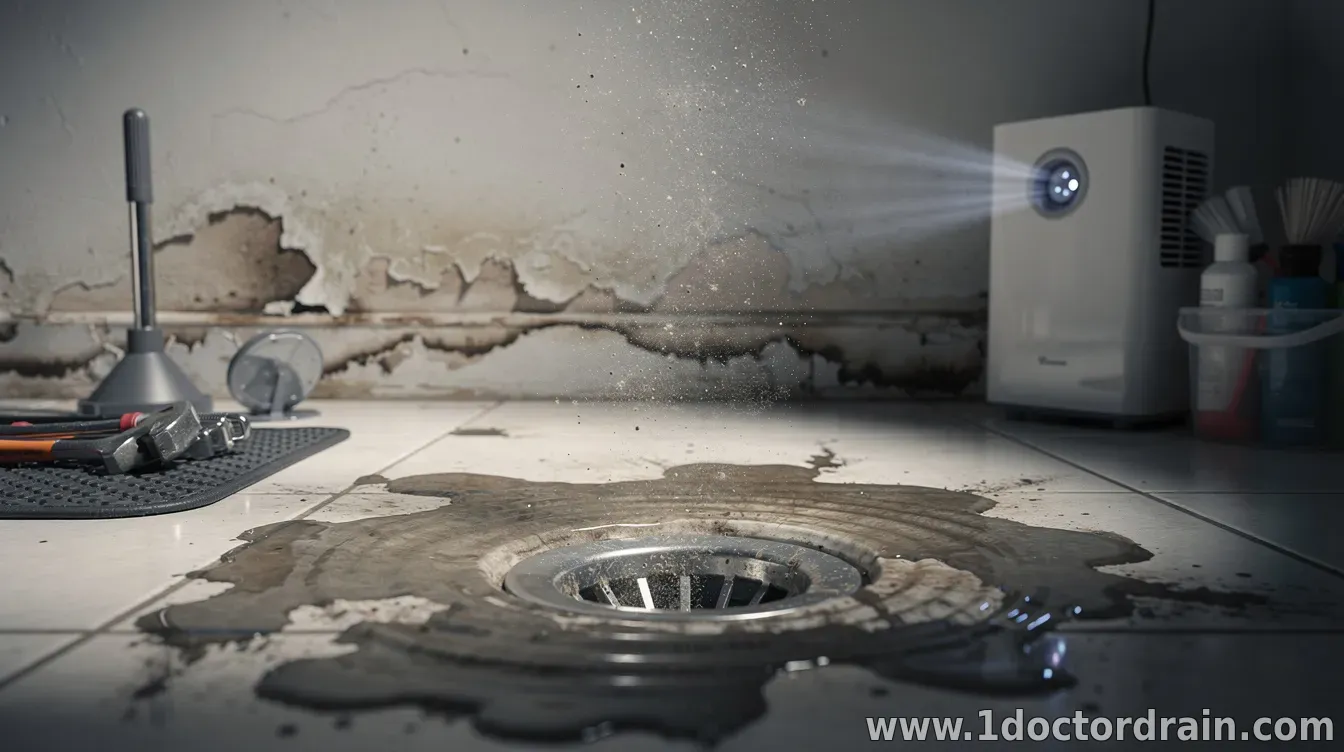
A drain backup can introduce water and contamination into your home, creating the conditions mold needs: moisture, organic material, and time. The critical factor is speed—once materials stay wet, mold can begin developing before many homeowners notice visible signs.
In general, mold can start growing within 24 to 48 hours after water exposure, particularly when materials like drywall, subflooring, insulation, or carpeting remain damp. If the affected area is warm and poorly ventilated, growth may accelerate and spread deeper into cavities and behind walls.
Drain backups are especially concerning because they can involve “contaminated” water that contains microbes. Even if the water appears to have receded, residual moisture can remain in porous materials, allowing mold and odors to persist.
How fast it spreads depends on several conditions: the category and temperature of the water, the amount of moisture, how quickly the source is stopped, and how long building materials stay above a damp threshold. Materials such as drywall paper, wood framing, particleboard, and cellulose-based insulation can retain water and release it over time, extending the window for mold growth.
To prevent mold from taking hold, act on a tight timeline. First, stop the backup and address the plumbing cause so water does not continue entering the structure. Next, remove standing water promptly, then dry the space thoroughly using fans and dehumidifiers aimed at reaching low humidity levels. Hidden areas matter—drying only what’s visible often leaves damp pockets behind finishes.
During cleanup, consider the risk level of the water and wear appropriate protection. Containment helps limit spread of spores from one area to another, particularly if you need to remove wet materials. If the backup involved significant sewage or the damage affects large portions of walls, flooring, or insulation, professional remediation may be the safer option.
Homeowners can reduce long-term risk by checking for lingering moisture and monitoring for early indicators such as persistent musty odors, visible spotting, or dampness after the area should have dried. Using moisture meters can help confirm that affected materials are actually dry—not just “not flooded.”
Once cleanup and drying are complete, keep humidity controlled and ensure adequate ventilation. Repairing damaged materials can also prevent recurrence: drywall sections and insulation that have stayed wet for too long may need removal to eliminate mold-supporting material.
If you suspect mold has already begun growing or the damage is extensive, consult certified professionals for an assessment. Early action after a drain backup—often within the first couple of days—can be the difference between a manageable cleanup and a larger, costlier remediation.
| |
|
| |
CALL ☎ Subscribe 👆
Next & Previous posts
Related materials:

CONTACT US 📩
Submit the form, we'll contact you as soon as possible!