
2:00 AM What’s That Pipe Sticking Out of Your Roof? | |
|
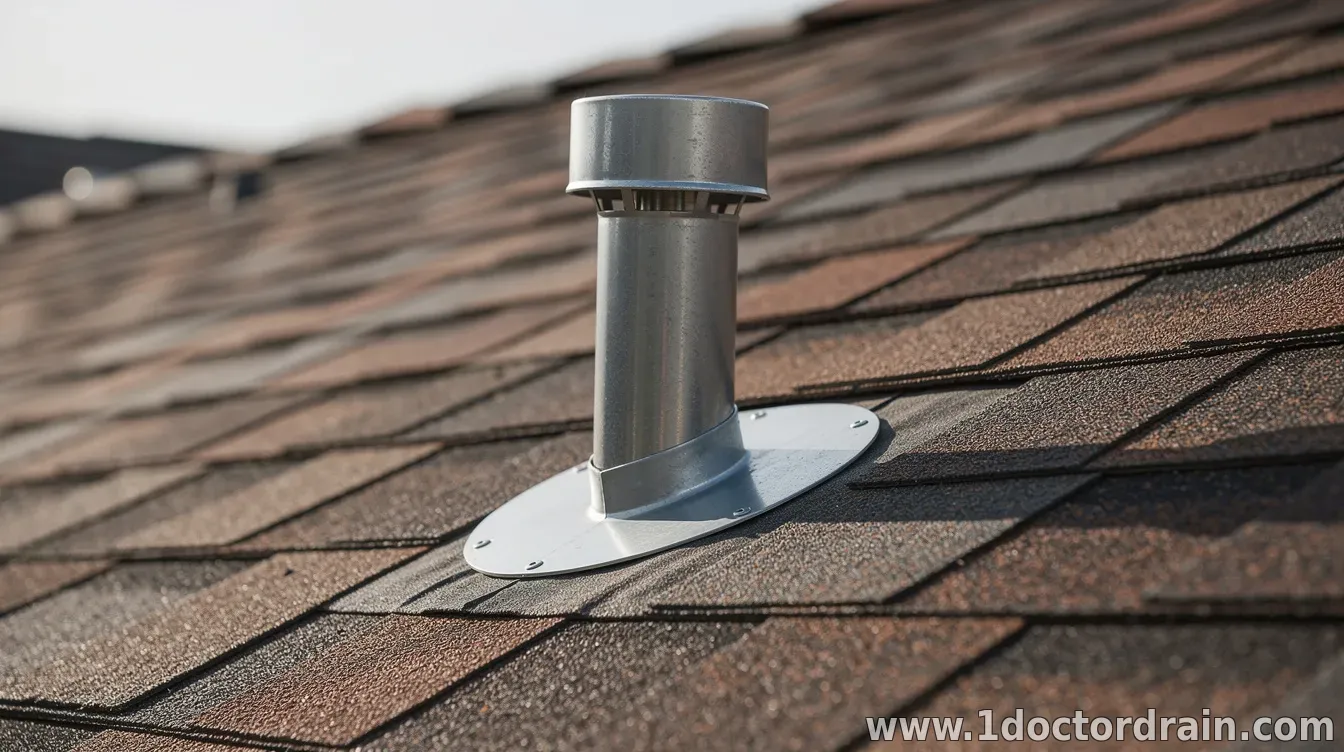
Not every pipe that sticks out of a roof is an alarm or an invitation for maintenance—but most are. In many homes, the most common rooftop protrusion is a plumbing vent: a small-diameter pipe that allows sewer gases to escape and helps plumbing drain without siphoning water out of traps.
These vents are typically routed through the attic and terminate above the roofline to stay clear of blockages caused by moisture and condensation. When they function correctly, sinks, showers, and toilets drain smoothly and the home maintains safer, more stable pressure in the waste system. Why plumbing vents matter
As water flows down drain lines, it creates pressure changes. A vent stack equalizes that pressure so drains don’t “glug,” slow down, or cause gurgling. It also reduces the likelihood of sewer odors backing up indoors by providing an outlet for gases.
In practical terms, you can often identify a plumbing vent by its size and simplicity: it is usually a narrow PVC or metal pipe, often located near bathrooms, kitchens, or where drain lines run through the house. When the pipe might signal a problem
A rooftop vent should be intact and properly sealed where it penetrates the roof. Homeowners should take note if the pipe is loose, cracked, rusted, or if there’s visible deterioration around the flashing and roof seal.
Another red flag is a missing or damaged cap. While some vents are designed to remain open, others use a cap to reduce debris and moisture intrusion. If a cap is gone or broken, leaves, small animals, and water can enter the vent line, increasing the chance of blockages and odors.
Because rooftop components sit in harsh weather, failed flashing is a common cause of roof leaks near vent pipes. Even small gaps can allow water intrusion, which may be mistaken for “mysterious” ceiling stains or damp insulation elsewhere. Could it be something else?
Occasionally, a protruding pipe may be related to non-plumbing systems. Some homes have venting for appliances like water heaters, furnaces, or range hoods. In those cases, the pipe’s diameter, material, and location can differ from typical plumbing vents.
If you’re unsure whether the pipe is plumbing-related or tied to heating or other equipment, the safest approach is to avoid assumptions. Checking the interior routing—where the pipe connects in the attic or near the relevant appliance—can clarify its purpose without guessing. What to do next
Start with a visual inspection from a safe vantage point: look for cracks, corrosion, missing seals, damaged flashing, and signs of water stains in the attic or ceiling below. If you suspect a leak, the priority is to address roof sealing promptly to prevent mold and structural damage.
For vents and plumbing system performance, a licensed plumber or a qualified roofing professional can confirm whether the vent is clear, properly connected, and appropriately installed. If the concern is appliance venting, an HVAC technician can inspect it for proper draft and safety compliance.
In most homes, a pipe sticking out of the roof is normal—and protective. The key is knowing what you’re looking at and watching for the signs that turn a routine component into a maintenance or safety issue.
| |
|
| |
CALL ☎ Subscribe 👆
Next & Previous posts
Related materials:
CONTACT US 📩
Submit the form, we'll contact you as soon as possible!