0:49 AM What Is a Sewer Cleanout and Why Every Home Needs One | |
|
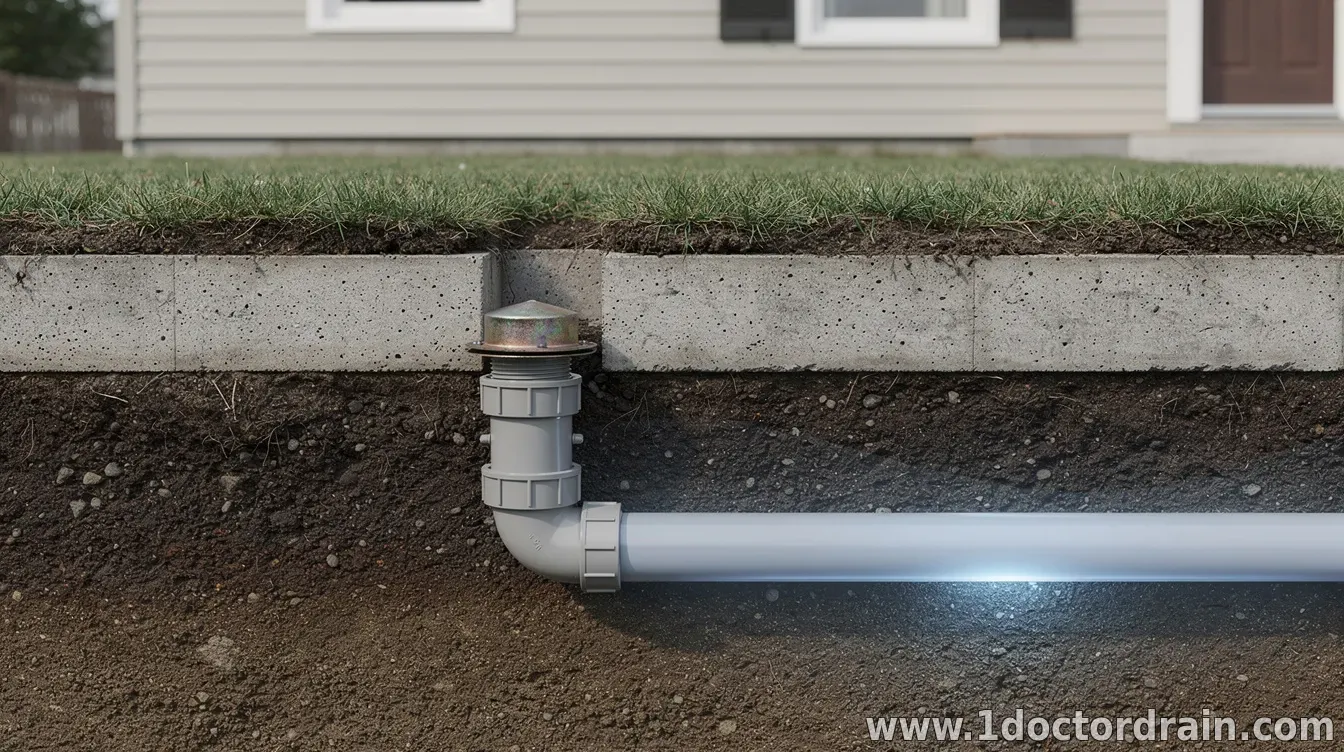
A sewer cleanout is a sturdy, capped opening built into a home’s wastewater system—usually near the property line or where the main drain exits the house. It provides plumbers with a direct route to inspect, remove debris, and clear clogs without breaking walls or digging up pipes.
Because clogs can happen even in well-maintained homes, cleanouts act as a practical “service access” point. When an obstruction forms—such as grease buildup, tree-root intrusion, or a blockage from inappropriate items—having a cleanout can make the difference between a fast fix and a more disruptive repair. How a sewer cleanout works
Unlike a bathroom or kitchen drain, which carries wastewater from a fixture, the sewer cleanout connects to the main line that serves multiple plumbing fixtures. During a service call, a plumber can remove the cap and use a snake (auger) or hydro-jetting equipment to break up or flush out the blockage safely.
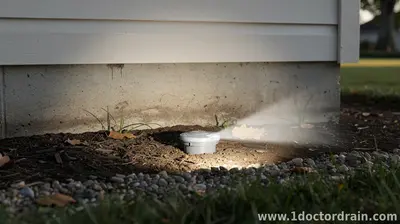
Cleanouts come in different forms depending on the home and local plumbing standards. Some are located on the exterior of the house or near the foundation, while others are accessible from inside—such as through a basement or garage area. The cap is designed to seal the system to prevent odors and leaks when not in use. Why every home needs one
One of the biggest benefits is speed. With cleanout access, plumbers can often diagnose and resolve issues sooner, reducing the risk that a backup worsens or spreads to other fixtures.
Cleanouts also help control costs and mess. Without an access point, service technicians may need more invasive methods—cutting into pipe runs or opening finished walls—to reach the blockage. A properly placed cleanout can limit both labor time and property damage.
In many cases, a cleanout supports preventive maintenance. Periodic checks and clearing of the main line can reduce the likelihood of stubborn blockages, especially for homes with older pipes or trees near the sewer route. Common signs you may need to use or inspect your cleanout
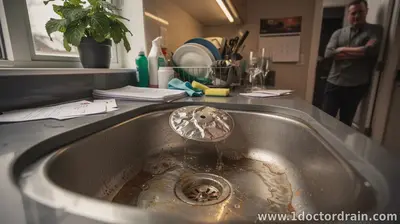
Homeowners don’t always notice a cleanout until something goes wrong. If you experience frequent backups, slow drains that affect multiple fixtures, gurgling sounds in toilets or sinks, or wastewater odors near drains, the main line may be partially obstructed and the cleanout can help facilitate a targeted repair.
It’s also worth checking whether the cleanout cap is intact and accessible. A missing or damaged cap can allow debris or pests into the system and may create leak pathways—turning a manageable issue into a bigger problem. What to do if you don’t know where yours is
If you’re unsure whether your home has a sewer cleanout, start with the plumbing layout: many homes feature an access point near the foundation, outside along the line, or in a basement/garage. Property records or as-built plumbing diagrams can also help. If you can’t locate it, ask a licensed plumber to identify the main cleanout and verify it meets local requirements.
For homeowners, the goal is simple: know where your sewer cleanout is and ensure it remains reachable. That awareness can streamline emergency repairs, reduce damage during backups, and support healthier long-term plumbing performance.
| |
|
| |
CALL ☎ Subscribe 👆
Next & Previous posts
Related materials:
CONTACT US 📩
Submit the form, we'll contact you as soon as possible!