2:40 AM Laundry Room Drains: Common Issues and How to Prevent Them | |
|
The laundry room drain may not be the first thing on a homeowner’s mind, but it plays a daily role in moving away wash water, lint, and detergent residue. When it starts to struggle, the symptoms are often gradual—slow draining, unpleasant smells, or recurring backups—before becoming a full-blown inconvenience.
One common cause is lint buildup. Washing machines can shed fine fibers that work their way into drain lines over time, combining with soap scum and other debris. That mixture can narrow the passage in the pipes, making clogs more likely—especially in homes where multiple loads are washed frequently. Signs the laundry drain needs attention
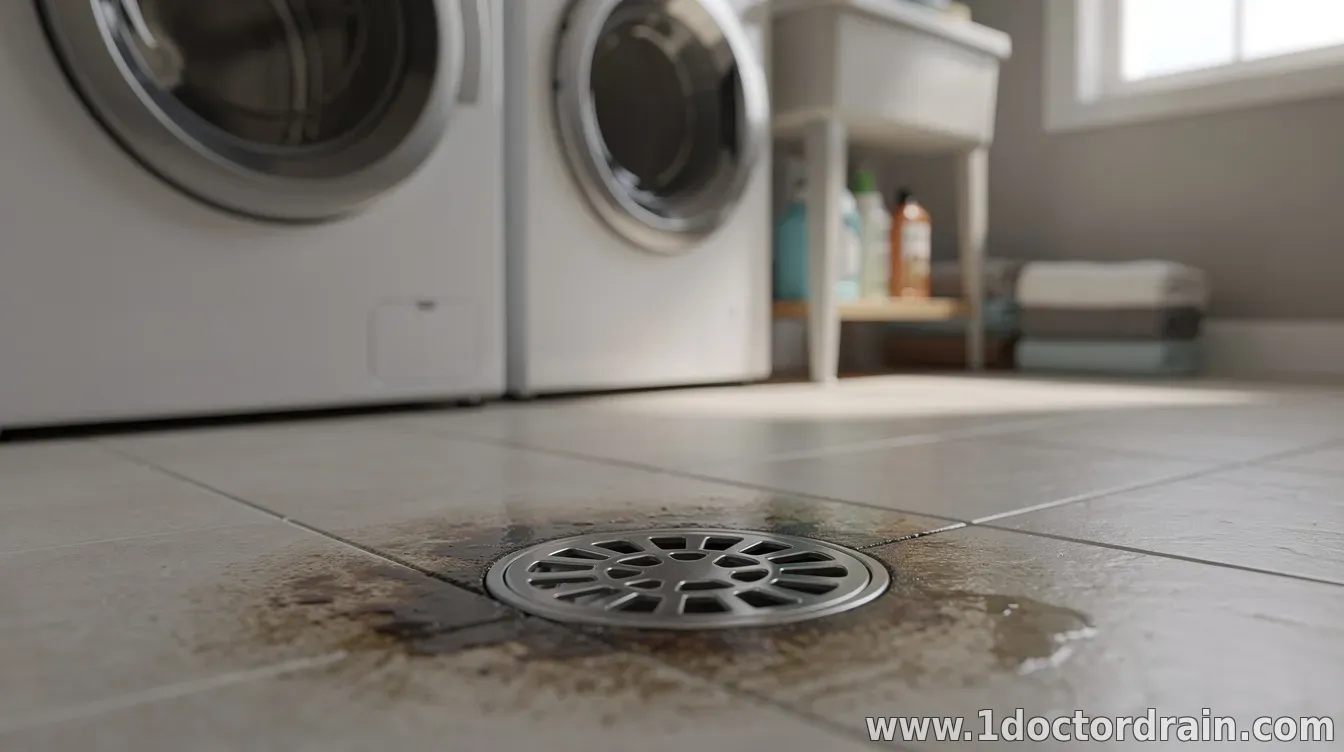
Homeowners typically notice issues before they escalate. Watch for water pooling around the washer, gurgling sounds during drain cycles, recurring odors that don’t disappear after cleaning, and slow drainage that worsens gradually rather than all at once.
These warning signs matter because backups are not only messy; they can also affect nearby fixtures and create conditions for mold or mildew in hidden pipe areas. Catching the problem early usually reduces the cost and disruption compared with waiting for a total blockage. Prevention: simple steps that reduce risk
Start with what goes down the drain. Avoid overusing detergent—excess can leave residue that sticks to pipe walls. Use laundry products as directed, and consider switching to formulas that are designed to rinse cleanly, particularly if you notice film or persistent odors.
Next, manage lint before it reaches the plumbing. Clean the washer’s lint trap or filter if your model includes one, and periodically inspect hoses and connection points for wear or residue. A routine check of the area where the washer drains can also help you spot early leaks or loose fittings.
Finally, consider periodic maintenance. For many households, a scheduled drain cleaning using manufacturer-appropriate methods can help prevent buildup. If you’re considering chemical treatments, follow label instructions carefully and avoid mixing products, which can be dangerous. When in doubt, choose a tool-based or enzymatic approach recommended for laundry drains. When to call a professional
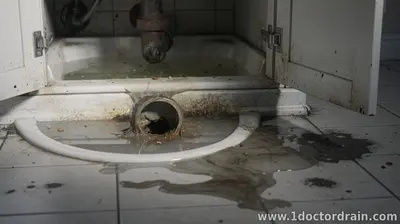
If plunging or basic cleaning doesn’t restore normal flow, it’s time to get help. Persistent clogs, repeated backups, or signs of a deeper blockage—such as sewer odors, water rising in the drain, or problems across multiple fixtures—often require inspection with specialized equipment.
Addressing laundry drain issues sooner can prevent damage and restore confidence in a system that quietly supports everyday life. With a few proactive habits and timely attention to warning signs, homeowners can keep laundry day running smoothly.
| |
|
| |
CALL ☎ Subscribe 👆
Next & Previous posts
Related materials:


CONTACT US 📩
Submit the form, we'll contact you as soon as possible!