2:32 AM Toilet Backups: Common Causes and Sewer vs. Drain Signs | |
|
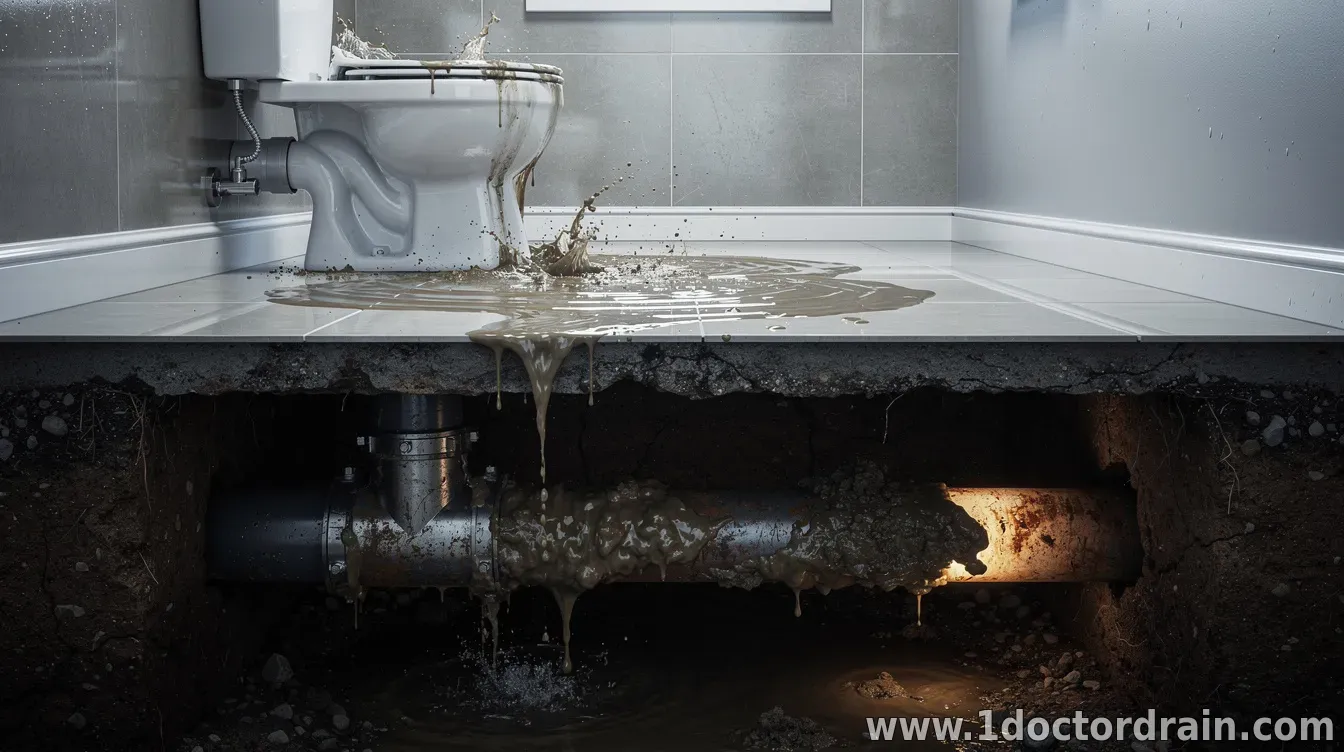
When a toilet keeps backing up, it can be frightening and inconvenient. The most common causes are blockages or plumbing issues within your home’s drain system, but in some cases the problem originates outside—at the sewer main—meaning it’s handled differently than typical household clogs.
Below are the most frequent reasons toilets back up, plus clear indicators that the issue may be a sewer problem rather than an internal drain blockage. Common reasons a toilet keeps backing up
Toilet backups often happen when wastewater can’t flow away fast enough or gets trapped somewhere in the drainage path. Common culprits include partial clogs and debris buildup in the toilet trap, the toilet flange area, or the line that carries waste to the main drain.
Items that don’t break down easily—such as wipes labeled “flushable,” feminine hygiene products, paper towels, cooking grease, and excess toilet paper—can accumulate and restrict flow. Over time, even “small” blockages can become big enough to cause repeated backups. Signs it’s likely a home drain clog
If the problem appears after specific events (recent plumbing work, a heavy flush, or a particular item was flushed), it’s more likely a clog within the home plumbing. Another clue is whether the backup is isolated to the toilet rather than affecting other fixtures.
Typically, home drain issues may cause slower draining in the toilet, repeated bubbling, or water rising when the toilet is flushed. In many cases, a professional can confirm the location using a sewer camera and clear the obstruction with the appropriate tools. When it may be a sewer problem (outside the home)
Some situations point beyond your property line. A sewer problem is more likely when you notice symptoms across multiple drains, such as sinks, showers, tubs, or floor drains backing up around the same time. If several fixtures gurgle or drain poorly simultaneously, the blockage may be in the shared sewer line.
Other strong indicators include backups that occur during heavy rain or after local sewer system surcharging, recurring issues at the same time interval, or raw sewage odors outside the home. If the sewer utility has restrictions or emergency response procedures, waiting too long can also increase cleanup costs.
In many jurisdictions, the responsibility for the public sewer line (and repairs beyond a certain point) falls to the municipality or sewer authority. That means the response may involve coordinated assessment and, if necessary, assistance with service restoration. What to do next to prevent worsening damage
Start by stopping further overflows. Avoid flushing repeatedly, since each attempt can push more waste into the backup area. If you can safely check without spreading contamination, look for signs of standing water near the toilet base, wet flooring, or sewage odors.
While a plunger can help with minor clogs, persistent or recurring backups usually require professional diagnosis. A plumber (or sewer camera inspection specialist) can determine whether the blockage is in the toilet, in the home’s drain line, or in the sewer main.
Toilet backups are rarely “just one thing.” Understanding whether the issue appears confined to the toilet—or whether multiple fixtures and weather-related triggers are involved—can help you choose faster, safer next steps and avoid repeat emergencies.
| |
|
| |
CALL ☎ Subscribe 👆
Next & Previous posts
Related materials:
CONTACT US 📩
Submit the form, we'll contact you as soon as possible!