0:14 AM Bathtub Drain Clogs: Hair, Soap Scum, and What Works | |
|
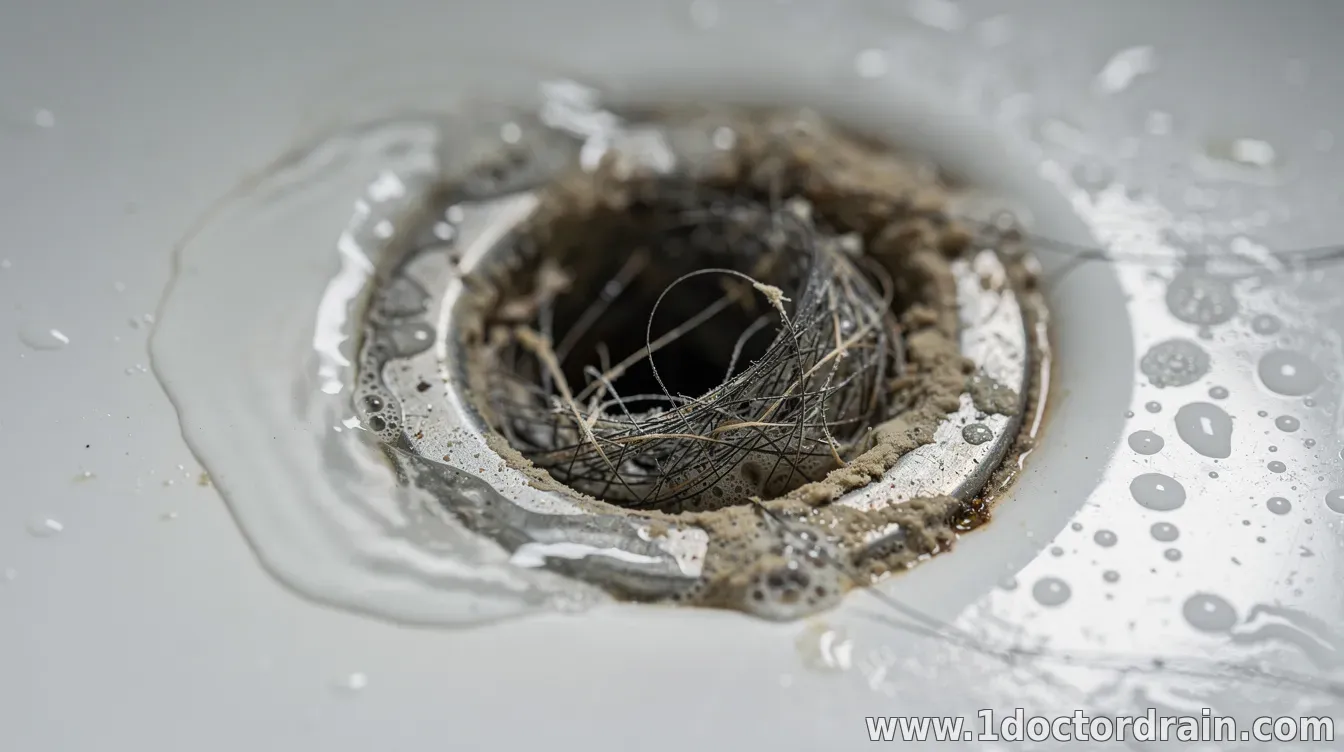
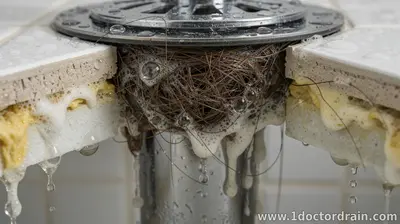
Bathtub drains often fail the same way: hair wraps around the drain opening, soap scum hardens the surrounding residue, and everyday water flow slowly worsens until the tub backs up. The result can look “mysterious,” but the causes are usually consistent—and so are the fixes. Why hair and soap scum create stubborn clogs
Hair is the main culprit because it tangles and forms a strong “net” that catches other debris. Soap scum then acts like a binding agent, mixing with minerals in water and turning fluffy buildup into a thicker, harder layer. Over time, this combination narrows the pipe and slows drainage even if the blockage seems partial. What actually works to clear a bathtub clog
Start with the safest, most direct options before moving to stronger chemicals. In many cases, the clog is near the drain opening or in the first bend of the pipe, where mechanical removal performs best.
1) Remove the visible hair first. Use gloves and a drain hair tool (or a bent coat hanger with a hook) to pull out what’s reachable.
2) Use a plunger correctly. If the tub drains slowly rather than fully backing up, create a good seal and plunge firmly for several cycles. Avoid rapid, shallow plunges that don’t build pressure.
3) Try a drain snake or auger. For deeper clogs, a small hand auger or flexible drain snake can break up hair mats and dislodge soap-slimed residue. Turn the tool gently while pushing to catch and lift the clog.
4) Use enzyme-based cleaners for maintenance and light buildup. Enzyme products work gradually by breaking down organic material like hair and scum. They’re most effective when used regularly, not as an instant solution for a fully blocked line.
5) Use targeted, low-risk chemical cleaning only when necessary. If you must use a chemical, follow label directions precisely and avoid mixing products. For many bathtub clogs, mechanical removal or enzyme maintenance is more predictable and safer for pipes. Prevention that keeps drains flowing
The best long-term strategy is to reduce the amount of hair and scum that can combine in the first place. Small routine habits typically outperform “big cleanups” every few months.
Consider a few practical steps:
If you’ve tried mechanical tools and drainage is still poor, the clog may be farther down the line or influenced by pipe layout (common with older plumbing). In that case, a professional drain service can use inspection cameras to confirm the location and choose the right method without repeated trial-and-error.
The most reliable takeaway: hair creates the “structure” of the clog, soap scum turns it into something more durable, and mechanical removal plus prevention usually delivers the best results. With the right approach, you can restore flow quickly—and keep it that way.
| |
|
| |
CALL ☎ Subscribe 👆
Next & Previous posts
Related materials:

CONTACT US 📩
Submit the form, we'll contact you as soon as possible!