1:20 AM Why Office Buildings Need Scheduled Floor Drain Inspections | |
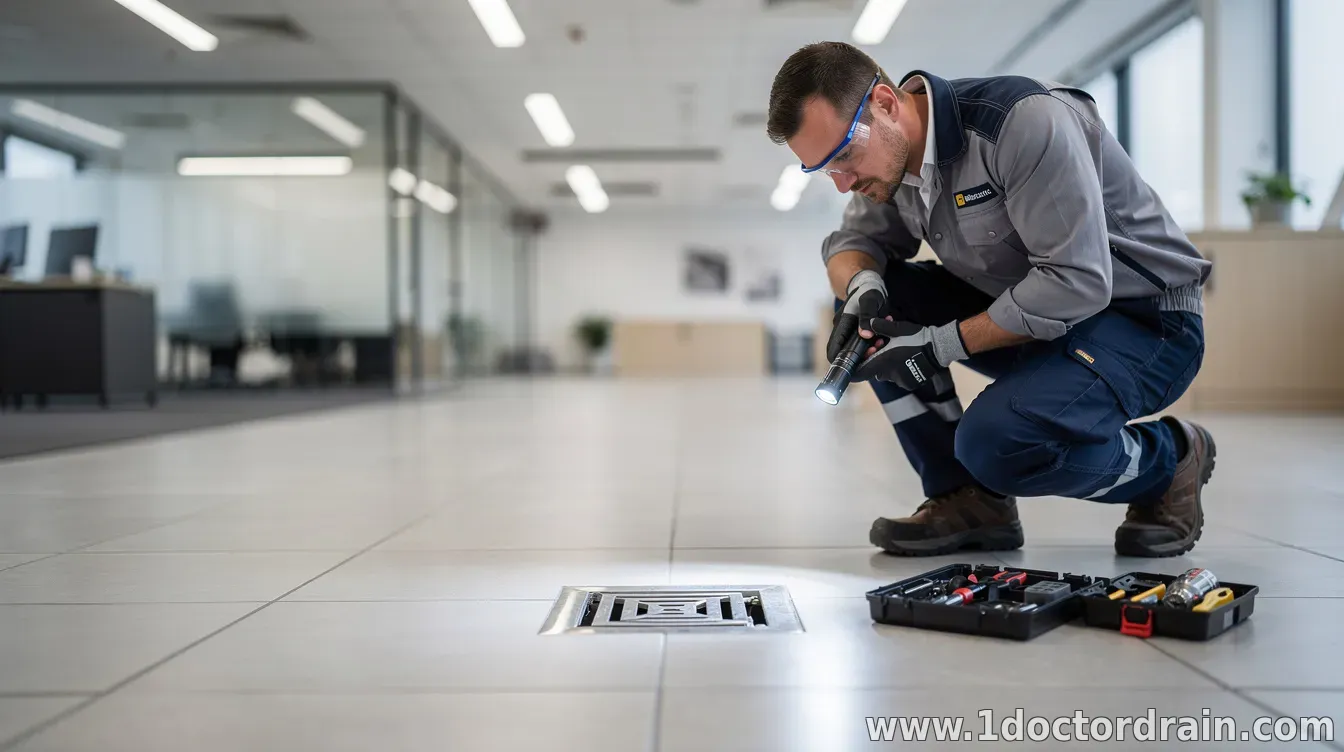
Office buildings rely on building-wide plumbing systems that many people never think about—until something goes wrong. One of the most overlooked components is the floor drain. When a drain is partially clogged, improperly connected, or missing essential maintenance, problems can escalate quickly into flooding, unpleasant odors, and expensive repairs.
Scheduled floor drain inspections are a practical way to catch issues early and keep daily operations running smoothly. Unlike reactive maintenance, which responds after failures occur, proactive inspections help reduce downtime, protect property, and support a healthier indoor environment. 1) Floor drains prevent hidden blockages from turning into emergencies
In office environments, floor drains can collect hair, paper debris, dust, cleaning residue, and other contaminants over time. Even small buildups can restrict flow, especially during heavier runoff periods such as housekeeping schedules or spill cleanups. Regular inspections identify early signs of narrowing or stoppages so facility teams can address them before they lead to backed-up lines or localized flooding. 2) They help control odors and moisture-related indoor air problems
When floor drains function poorly, stagnant water and trapped waste can contribute to persistent odors. In some cases, failing drainage can increase moisture levels in mechanical rooms, restrooms, loading areas, and utility spaces—conditions that can encourage mold growth. Routine inspection supports proper drainage performance and helps reduce the chance of occupant complaints and indoor air quality issues. 3) Inspections reduce damage to floors, walls, and tenant-critical areas
Even a brief backup event can damage flooring finishes, ceiling tiles, electrical infrastructure, and stored materials. Because office buildings often house sensitive equipment and shared spaces, the cost of water intrusion can multiply across multiple areas. Scheduled checks create an opportunity to service drains and verify connections before failures occur, limiting the impact to a manageable scope. 4) Scheduled maintenance supports compliance and risk management
Many buildings are subject to local plumbing codes, preventive maintenance expectations, and environmental requirements for handling wastewater and preventing cross-contamination. Floor drain inspection programs document due diligence and help ensure that drains remain properly maintained. This can be especially important in high-traffic buildings where multiple contractors, cleaning crews, and maintenance workflows interact with plumbing infrastructure.
Effective inspection programs typically include observing drain condition and performance, checking for signs of residue buildup, verifying that covers and grates are secure, and confirming that the drain line is flowing correctly. Depending on the building’s needs, facilities teams may also schedule cleaning, camera assessments, or corrective repairs to restore proper function.
For office managers and property teams, the key takeaway is simple: floor drains are small components with large consequences. A scheduled inspection plan reduces the likelihood of disruptive backups, improves building resilience, and helps protect both the property and the people who use it every day.
| |
|
| |
CALL ☎ Subscribe 👆
Next & Previous posts
Related materials:

CONTACT US 📩
Submit the form, we'll contact you as soon as possible!