1:01 AM Why Multi-Unit Buildings Need Proactive Drain Maintenance Plans | |
Multi-unit buildings depend on shared plumbing networks that are used continuously by tenants, staff, and visitors. Unlike single-family homes, where problems often stay localized, clogged drains, failing seals, or slow-flow issues in a shared system can spread quickly—impacting multiple units and creating expensive downtime.
That’s why proactive drain maintenance plans are increasingly viewed as an operational necessity, not an optional expense. A structured approach helps owners and property managers reduce disruption, protect resident health and comfort, and extend the lifespan of core drainage components. 1) Shared systems fail faster under constant load
In apartment buildings, drainage lines handle higher volumes of wastewater and recurring “high-risk” conditions—such as grease accumulation, hair and debris in bathroom drains, and sediment in kitchen plumbing. Even when no single unit shows a major problem, small buildup can gradually narrow pipe flow. Over time, the same system can shift from “working fine” to frequent backups.
Preventive inspection and targeted cleaning can remove early-stage buildup before it hardens or triggers clogs that require emergency response. 2) Small leaks and slow drains become costly emergencies
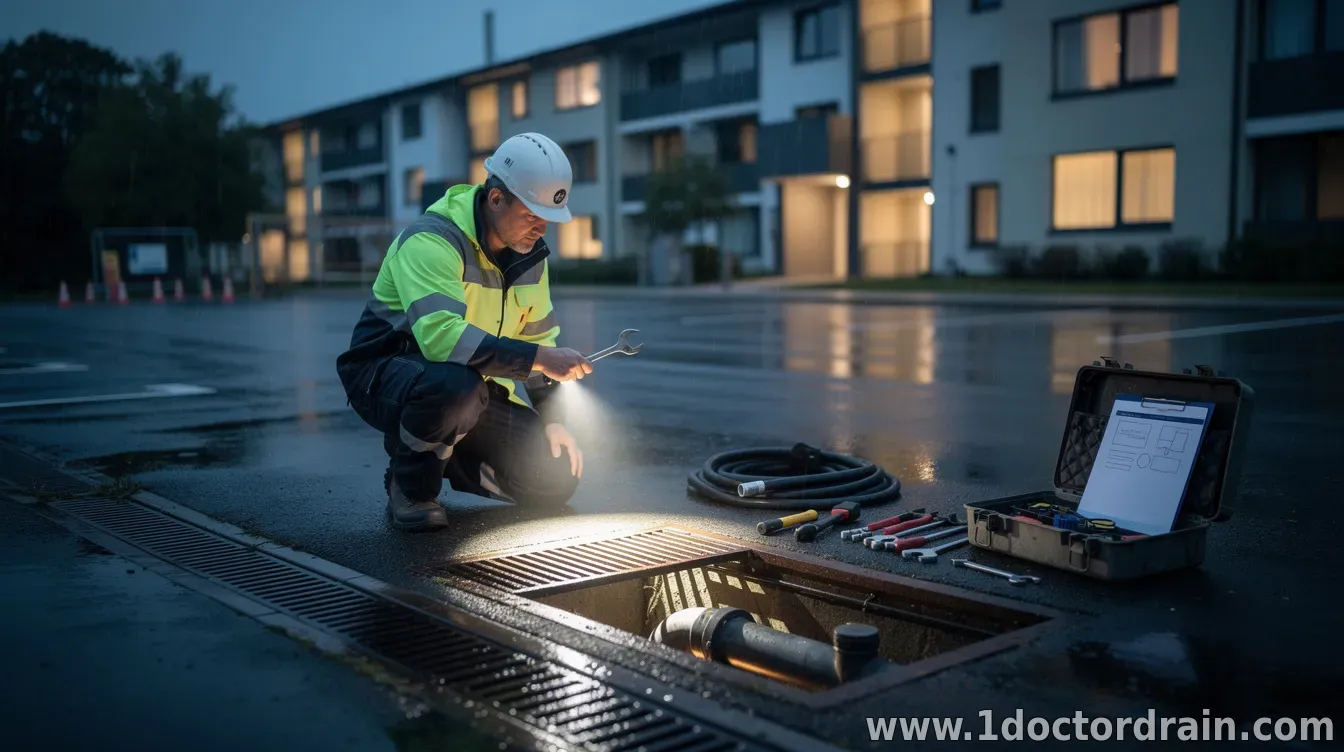
Drain issues often start subtly: a toilet that drains slowly, recurring gurgling, wet spots near cleanouts, or persistent odors in common areas. If ignored, these symptoms can indicate compromised seals, cracked sections, or obstructed venting—problems that may lead to water intrusion, mold risk, and damage to finishes, ceilings, and flooring.
Emergency repairs typically cost more due to after-hours labor, resident displacement, and expedited access. A maintenance plan helps schedule work during low-impact windows and reduces the need for reactive call-outs. 3) Health, safety, and resident trust depend on reliability
Blocked drains can create unpleasant odors, standing water, and unsanitary conditions. In worst cases, backups can expose residents and building staff to contaminated water and surface contamination. Proactive planning supports cleaner, more reliable drainage performance and reduces complaints—strengthening resident confidence that the property is being managed responsibly.
Clear maintenance protocols also streamline communication. When tenants understand that drain servicing is routine and preventive, it can reduce frustration during access requests and service visits. 4) Planning improves compliance and asset protection
Many jurisdictions and insurance requirements expect documented property maintenance. A well-run plan establishes a record of inspections, cleanings, and repairs—useful for audits, insurance claims, and long-term capital planning.
Beyond documentation, proactive maintenance protects the building’s drain infrastructure. By identifying recurring problem zones (for example, certain stacks, risers, or basement collection points), owners can prioritize upgrades such as pipe lining, root intrusion mitigation, improved venting, or replacement of aging fixtures and components.
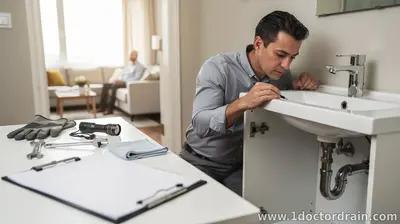
To be effective, drain maintenance plans typically include scheduled inspections, periodic cleaning, and targeted diagnostics using appropriate tools and techniques. Many operators also incorporate tenant-facing guidance—such as reminders about what should (and should not) go into drains—to reduce avoidable clogs.
For multi-unit properties, the most successful strategy is consistency: treat drain health as a system that requires ongoing attention. With a proactive plan in place, building teams can prevent small issues from escalating, minimize disruptions for residents, and control long-term costs.
| |
|
| |
CALL ☎ Subscribe 👆
Next & Previous posts
Related materials:
CONTACT US 📩
Submit the form, we'll contact you as soon as possible!