1:06 AM Preventing Restaurant Drain Cleaning Downtime | |
A clogged drain isn’t just an inconvenience—it can stop dishwashing, foul kitchen sanitation, and force closures in the middle of service. For restaurants, the goal is simple: prevent blockages from forming, and when issues arise, restore flow quickly without disrupting peak hours.
Because many restaurant drain problems start with predictable factors—grease buildup, food debris, and improper disposal—the best “emergency prevention” is a steady routine. The most reliable approach combines prevention habits in the kitchen with scheduled maintenance and clear escalation plans. Know the high-risk points in your plumbing
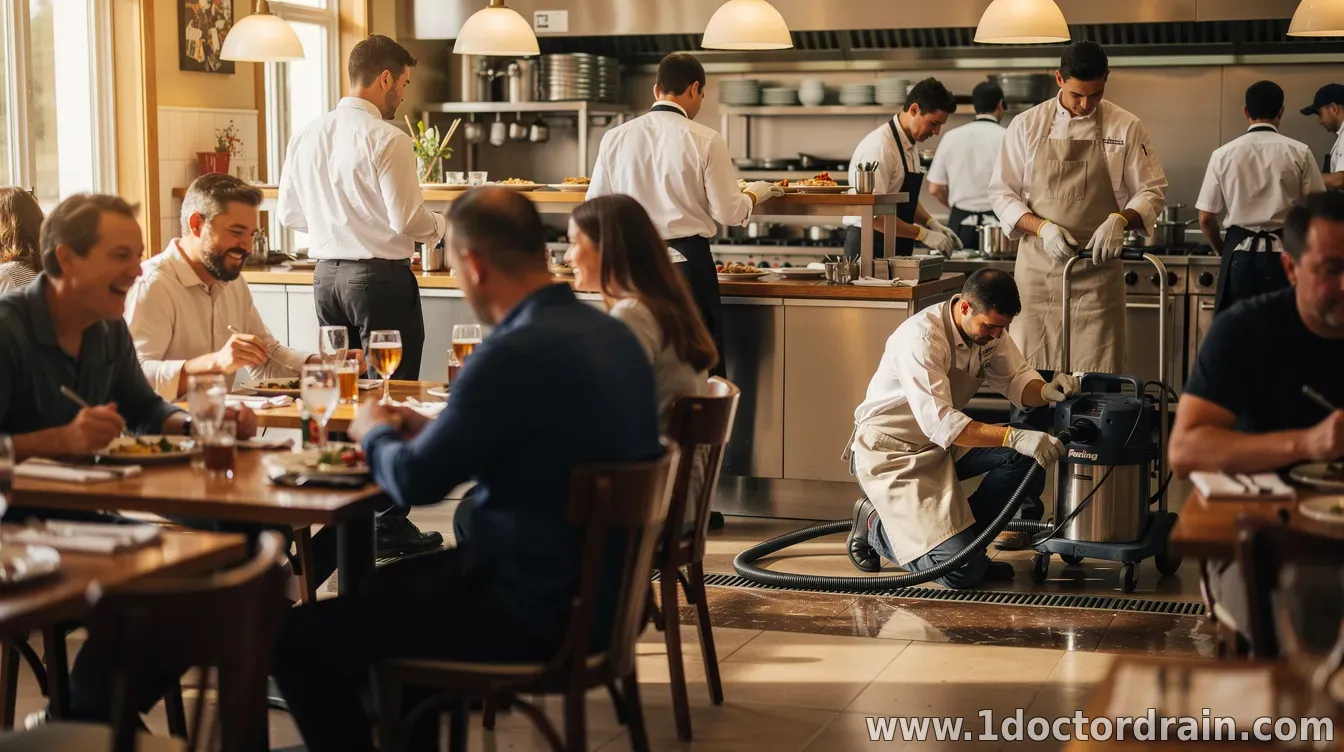
Restaurants typically see the most frequent issues in drains connected to sinks, floor drains, grease traps/interceptors, prep areas, and dishwashing equipment. During busy hours, even a partial restriction can turn into a full backup as water use surges. Mapping your system—where backups start, which fixtures drain slowest, and what smells or gurgling indicate—helps you act early. Run daily grease and debris controls
Grease is the most common driver of restaurant sewer line problems. Implement kitchen routines that reduce what enters drains, such as scraping plates into compost/trash before rinsing, using hot water appropriately during wash cycles, and avoiding pouring fats, oils, or grease into sink drains. Pair these practices with regular cleaning of sink strainers and cart wash areas so solids don’t migrate into the plumbing.
For operations with grease traps or interceptors, consistent adherence to pumping/cleaning schedules is essential. If you wait until there’s a failure or a strong odor, the system may already be partially obstructed—making restoration more disruptive and expensive. Schedule maintenance to protect service hours
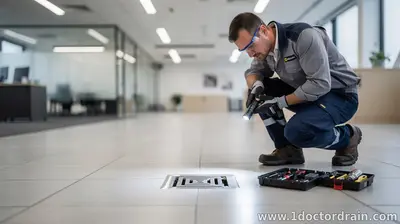
To minimize downtime during business hours, coordinate drain cleaning and inspections for off-peak windows: early mornings, late evenings, or scheduled maintenance days. Rather than waiting for clogs, ask your plumber or drain-service provider to perform preventive work such as camera inspections, hydro-jetting where appropriate, and targeted cleaning of known problem runs.
When scheduling, plan around events that increase drain load—holiday menus, catering pickups, or weekend rushes. A quick check before peak periods can prevent slow drains from worsening into stoppages.
Create an on-call response plan with your vendor
Even with strong prevention, problems can happen. The difference between a manageable incident and a full shutdown is preparation. Establish an on-call arrangement with your drain-cleaning provider and define clear steps for staff to follow when a slowdown or backup occurs.
Your plan should include who to call, what information to provide (the location of the problem, when it started, which fixtures are affected), and what actions staff can take safely right away—such as stopping certain water use to limit overflow while keeping critical operations running if possible. Reduce downtime with smart operational tactics
If a blockage begins during peak service, time and workflow matter. Prioritize tasks that require the least drain use, reroute water where practical, and isolate the affected fixture(s) so other areas can continue operating. For example, you may limit dishwashing loads temporarily while you address the specific sink or line that’s backing up—buying time for a technician to arrive.
After the incident is resolved, document what happened: what staff noticed first, how quickly it escalated, and whether it affected multiple areas. This helps fine-tune prevention—especially around grease handling, strainers, and the timing of preventive cleaning.
Restaurant drain maintenance works best when it’s treated like preventive sanitation rather than an emergency-only task. By managing grease and debris daily, scheduling inspections and cleaning before peak load periods, and maintaining a clear on-call protocol, you can significantly cut the odds of service-halting backups—and keep the restaurant running when it matters most.
| |
|
| |
CALL ☎ Subscribe 👆
Next & Previous posts
Related materials:


CONTACT US 📩
Submit the form, we'll contact you as soon as possible!