9:14 AM Sewer Gas in Your Home: Risks and What to Do | |
Sewer gas is a general term for gases that can build up when wastewater lines, drains, or vents don’t function properly. It may smell like rotten eggs, a strong “sewage” odor, or even fuel-like fumes. While some incidents are minor and fixable—such as a dry drain trap—others can point to conditions that are hazardous to health or require urgent attention.
Because sewer gas contains potentially toxic and flammable components, it’s important to treat unusual odors as a warning sign, not just a nuisance. What sewer gas is and where it comes from
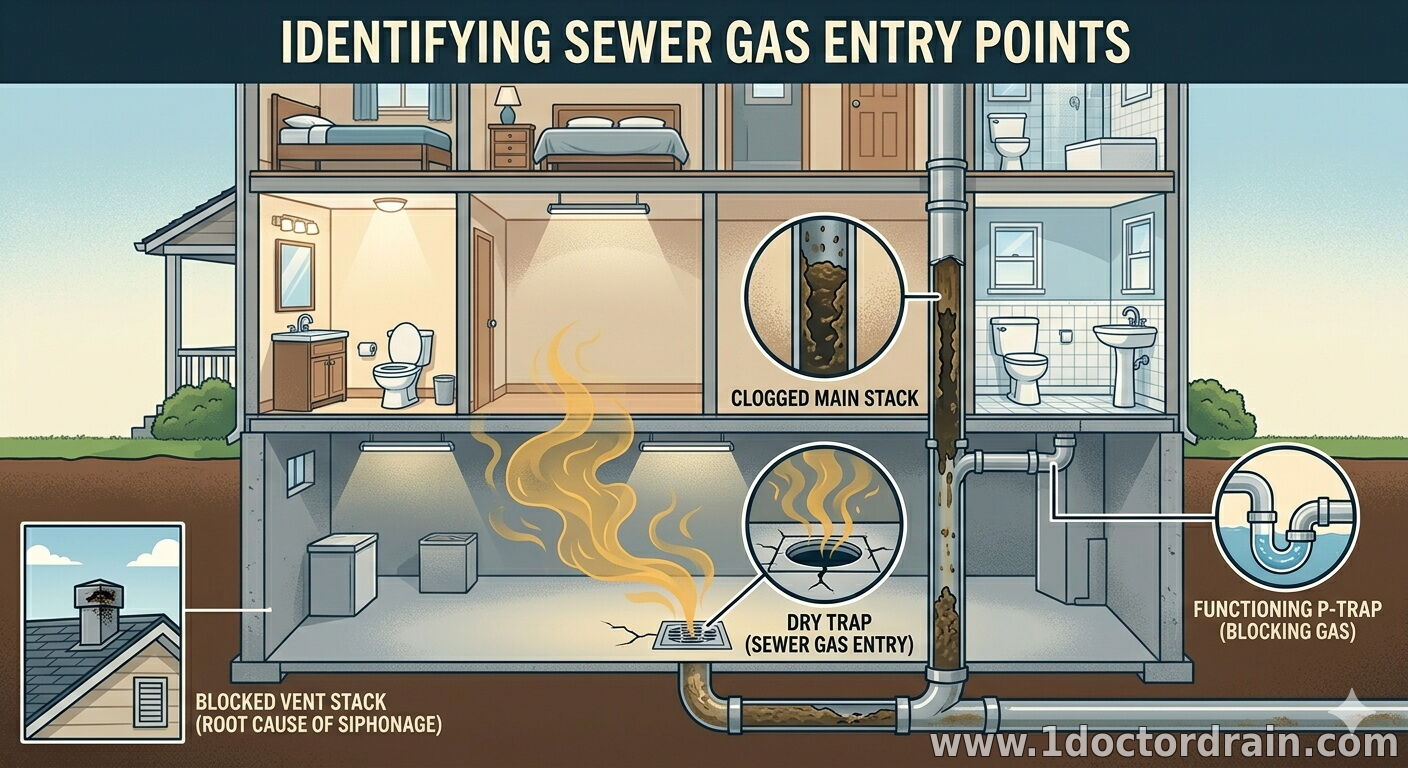
In properly functioning plumbing systems, wastewater flows away and gases are safely vented outdoors. Sewer gas may enter your home when water seals in drains (called trap water) evaporate, fixtures are rarely used, vents are blocked, plumbing is damaged, or a sewer line backup forces gases into living spaces. Common sources include floor drains, basement drains, sink drains, toilets, and laundry plumbing.
Different gases can be present depending on the conditions in the sewer line, but hydrogen sulfide is a frequent concern due to its strong odor and toxicity. Why it’s dangerous
Sewer gas is dangerous for two main reasons: health effects and—less commonly but importantly—fire or explosion risk. Even low concentrations of certain gases can irritate eyes, nose, and throat. At higher levels, hydrogen sulfide can impair breathing and, in severe exposure, affect the nervous system.
Methane can also be present in sewer systems. It is generally not the primary issue in typical home smells, but if gas accumulates in an enclosed area, it can increase flammability concerns. That’s why it’s safer to avoid ignition sources when odors are strong or persistent.
In addition to direct gas exposure, a sewer-related incident can indicate problems like partial blockages or backups that can spread contaminants through indoor air and surfaces. Warning signs to watch for
Consider investigating soon (and act quickly if symptoms appear) if you notice:
Seek emergency help immediately if anyone has trouble breathing, chest tightness, dizziness, confusion, or fainting, or if the odor is extremely strong and concentrated in a small area (such as a utility room). What to do right away
Start with safety. If the smell is mild and you suspect a simple issue (like a trap drying out), you can often take preliminary steps while arranging a proper inspection. If the odor is intense, widespread, or accompanied by health symptoms, treat it as a potential exposure risk and escalate to professionals.
If anyone feels unwell, call local emergency services or seek medical advice promptly. For serious odors or potential backup conditions, contact a licensed plumber or sewer service technician. How to fix common causes
Many sewer gas problems come from preventable or straightforward plumbing issues. A professional can confirm the root cause, but these are typical scenarios and remedies:
For toilets, a new wax ring or appropriate seal may be required if leakage or odor is coming from the base. For floor drains, ensure the drain trap remains filled—especially if the room is rarely used. When to call a professional (and what to ask)
Call a licensed plumber or sewer contractor if the odor persists after you refill traps, if multiple drains show symptoms, if there’s any sign of backup, or if you suspect issues with venting. Professionals can use cameras and pressure/flow checks to locate blockages, damaged sections, or vent failures.
When you contact them, describe when the odor started, which rooms/fixtures are affected, whether it changes after using water, and whether anyone has experienced symptoms. This context can speed up diagnosis. Prevention tips
You can reduce the likelihood of sewer gas entering your home with a few routine habits:
Sewer gas is both a health and a home safety concern. While mild, temporary odors can sometimes be traced to dry traps, persistent or intense smells—especially when accompanied by symptoms—should be treated seriously and addressed by a qualified professional.
| |
|
| |
CALL ☎ Subscribe 👆
Next & Previous posts
Related materials:

CONTACT US 📩
Submit the form, we'll contact you as soon as possible!