1:31 AM When to Repair vs. Replace a Damaged Sewer Line | |
A damaged sewer line can cause backups, odors, and water damage—but the best fix isn’t always a complete replacement. In many cases, targeted repairs can restore service quickly and cost-effectively. In others, replacing the line is the safer choice because the underlying pipe has reached the end of its useful life.
The key is to match the remedy to the type and extent of damage. Modern inspection tools like camera surveys and pressure tests help determine whether the problem is localized (repairable) or widespread (replacement is likely the better long-term solution). Repair is often the right choice when damage is limited
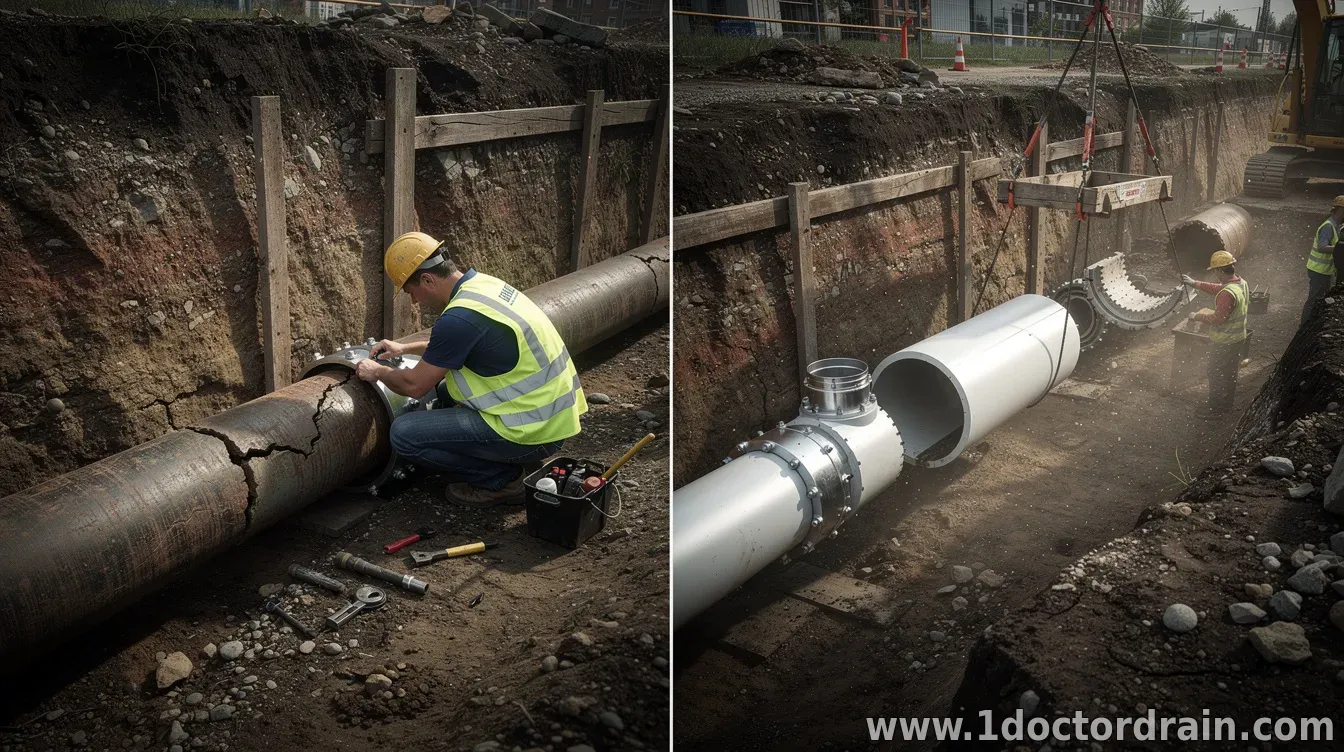
Contractors typically recommend repair when the sewer issue is confined to a small section of pipe and the rest of the line appears structurally sound. Examples include a short segment with a crack, a localized joint failure, or a blockage caused by debris or a minor displacement.
In these situations, trenchless methods may be considered. Depending on the findings, options can include patching, relining specific segments, or correcting a localized defect—often with less disruption than excavation. Replacement tends to be better for extensive or recurring failures
Sewer-line replacement becomes more likely when inspection shows broad deterioration, multiple problem areas, or structural instability that increases the chance of new failures. If the camera survey reveals widespread cracks, significant corrosion, or numerous failed joints, repairing only the visible damage may not solve the larger underlying issue.
Replacement is also favored when repairs have been temporary in the past or when the line’s age and material suggest it is near end-of-life. If the system is failing repeatedly, a full replacement can prevent ongoing downtime, repeated call-outs, and compounding damage. Diagnostics matter: camera inspections, pressure tests, and flow checks
Before deciding, professionals often rely on a combination of tests. A camera inspection can map where the damage is and whether it’s isolated or extensive. Pressure testing may show leakage, while flow and drain performance checks can indicate functional failure.
These findings help answer a practical question: is the pipe still reliably supporting the system, or is the damage pattern consistent with progressive deterioration? Cost isn’t just the repair today—it’s the risk tomorrow
Short-term repairs can be cheaper, but the long-term value depends on durability. A repair that addresses a small issue in an otherwise healthy line may deliver years of reliable service. Conversely, if the rest of the pipe is already compromised, repeated “patch-and-go” repairs can become more expensive than replacing the line once.
Homeowners can ask contractors for a clear comparison: expected service life after repair, likely failure points based on inspection results, and the recommended approach given the pipe material and condition. Common signs you may need more than a minor fix
While symptoms don’t always reveal the cause, they can help prompt deeper evaluation. Consider escalating beyond a simple repair when you notice persistent backups, recurring clogs, frequent toilet or drain slowdowns, sewage odors near the property, or evidence of wet spots where the line runs—even after prior repairs.
Because symptoms overlap across causes, the safest approach is to confirm with an inspection before committing to repair or replacement. What to do next
If you suspect sewer-line damage, schedule a professional camera inspection and request the findings in plain language: where the damage is, what type it is, and whether it’s localized. Then discuss repair versus replacement based on the mapped condition of the entire run, not just the most noticeable problem area.
With the right diagnostics and a maintenance-minded plan, you can choose the option that restores functionality now while minimizing the chance of renewed failures later.
| |
|
| |
CALL ☎ Subscribe 👆
Next & Previous posts
Related materials:
CONTACT US 📩
Submit the form, we'll contact you as soon as possible!