0:52 AM Sewer Line Replacement: Trenchless vs. Traditional Dig | |
Sewer line replacement is one of the more disruptive—and expensive—home repairs. When the existing pipe is cracked, collapsed, or badly corroded, property owners must decide between two broad approaches: trenchless methods (such as cured-in-place pipe lining or pipe bursting) and the traditional option that requires excavation along the affected route.
While both can restore sewer service, they differ significantly in downtime, restoration work, access needs, and risk factors. Understanding these differences helps homeowners align the project with their budget, schedule, and property constraints. What “traditional dig” typically involves
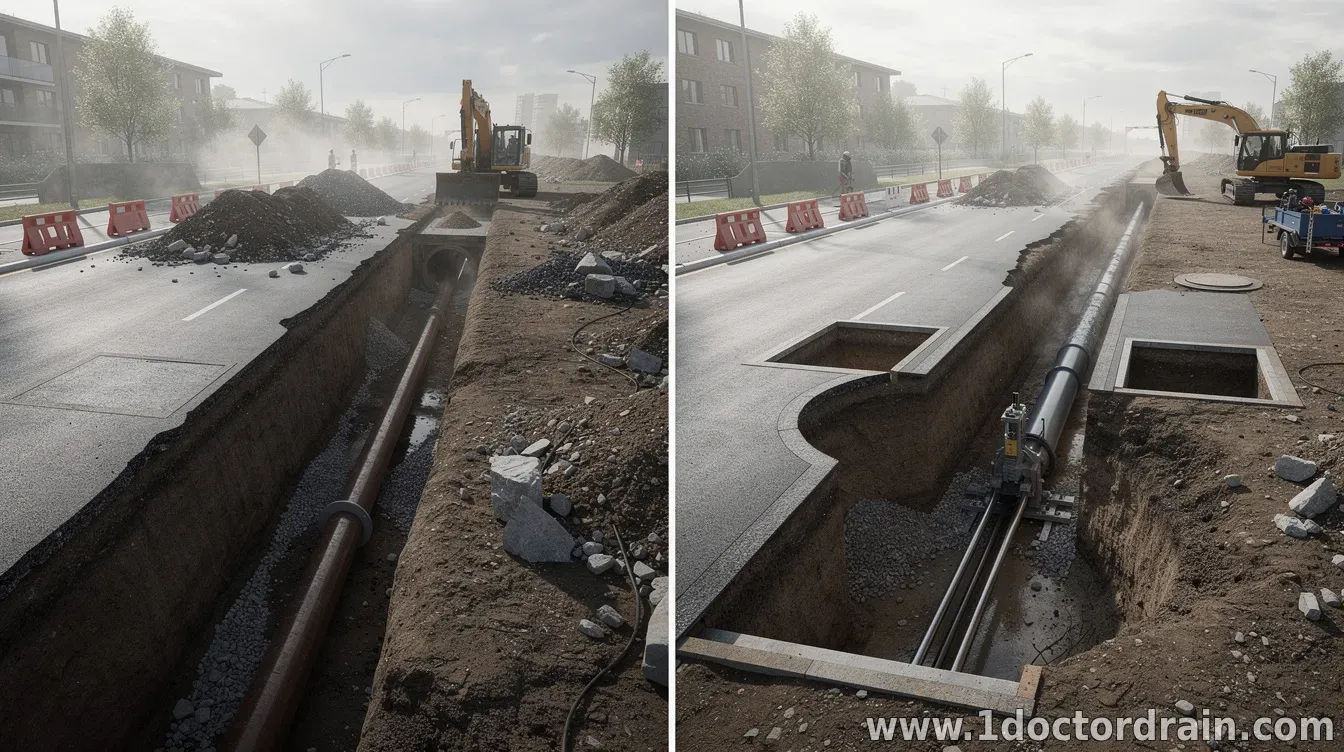
Traditional replacement usually means excavating trenches to expose the existing pipe, removing damaged sections, installing new pipe segments, and then backfilling and restoring the surface. The method can be straightforward when access is available and the pipe path is simple.
However, open excavation can be more invasive for yards, driveways, landscaping, and sidewalks. It may also require traffic control or permits depending on where the work occurs, especially in front-of-house or street-adjacent areas. How trenchless sewer repair works
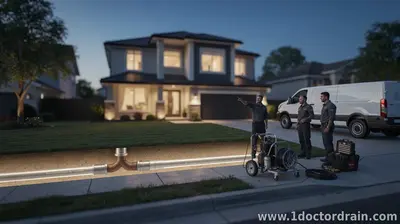
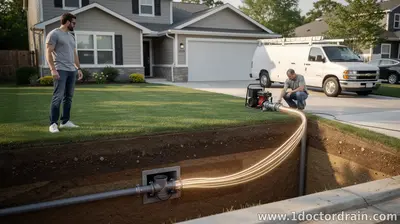
Trenchless approaches aim to minimize digging by working through access points (often manholes or cleanouts) and rehabilitating the line with minimal surface disturbance. Common techniques include cured-in-place pipe (CIPP) lining, where resin-saturated material is inserted and cured inside the existing pipe, and pipe bursting, which breaks the old pipe while installing a new one in the same general alignment.
In many cases, trenchless projects reduce restoration needs—less lawn, hardscape, and driveway repair—because the work footprint is smaller. That can translate into shorter timelines and fewer disruptions for surrounding structures. Key decision factors: pipe condition and site realities
The “best” choice often comes down to the condition of the sewer line and the property layout. Trenchless repair is frequently viable when the existing pipe can serve as a base for lining or when it’s feasible to burst and replace with limited surface access.
But if the line is severely misaligned, fully collapsed, or presents complex blockages that trenchless methods can’t address reliably, traditional replacement may be the safer route. Contractors may also consider the depth of the pipe, soil conditions, and how far the work needs to extend.
In practice, a thorough inspection—often using video to assess cracks, deformation, roots, and slopes—should guide the recommendation rather than the method being chosen first. Cost and timeline tradeoffs
Both approaches can be cost-effective, but the pricing structure differs. Traditional dig projects may carry higher restoration costs due to excavation impacts, while trenchless projects can involve specialized equipment and skilled labor. The overall cost can still favor trenchless when it prevents major surface damage.
Timing is another differentiator. Trenchless repairs typically require fewer days of excavation and restoration, though curing and setup times still apply. Traditional replacement may take longer if the site needs significant restoration—particularly after heavy excavation in driveways, gardens, or near foundations. Questions homeowners should ask before signing
Because sewer failures can worsen after prolonged use—especially with roots, shifting soil, and ongoing corrosion—good contractors should provide a clear plan for assessment, pre-cleaning, installation steps, and post-repair testing (such as video inspection and verification of flow).
Ultimately, trenchless and traditional dig both aim to protect homes from backups and contamination, but the right choice depends on site-specific constraints and the true condition of the pipe. With a detailed inspection and transparent scope, homeowners can select the approach that best balances reliability, disruption, and long-term value.
| |
|
| |
CALL ☎ Subscribe 👆
Next & Previous posts
Related materials:
CONTACT US 📩
Submit the form, we'll contact you as soon as possible!