3:07 AM What Causes a Clogged Drain and How to Prevent It | |
|
Clogged drains happen when materials accumulate faster than your pipes can carry them away. For most households, the typical culprits are simple, everyday substances rather than mysterious blockages. Knowing what to watch for and how to intervene can save time, money, and stress.
Common causes
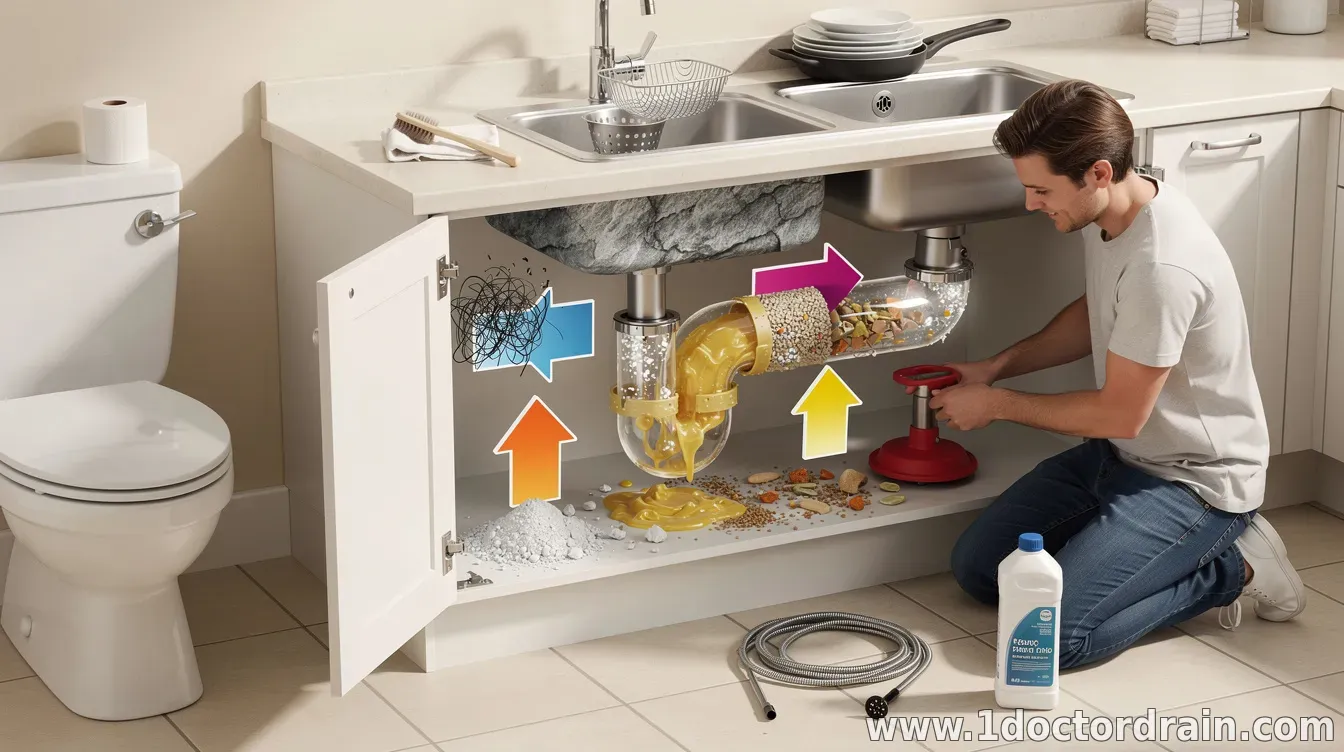
Hair is a frequent offender in bathroom drains. It can combine with soap and mineral deposits to form clogs in the trap and pipes. In the kitchen, FOG (fats, oils, and grease) from cooking can solidify as it cools, trapping food particles and causing slow drainage or full blockages. Soap scum, toothpaste, and mineral buildup from hard water can also contribute to gradual drain slowing, especially in showers, sinks, and bathroom tubs.
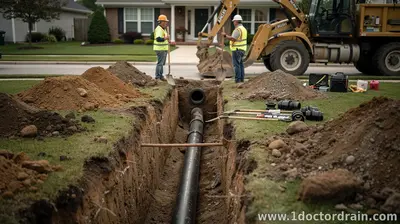
Beyond everyday items, more persistent problems include foreign objects such as wipes (even “flushable” ones), sanitary products, or small toys accidentally dropped down a drain. Tree roots can invade underground sewer lines, creating serious backups, while venting issues in plumbing systems can lead to slow drainage or gurgling noises.
Prevention strategies
Use drain screens or traps on sinks and showers to catch hair and debris before it enters the plumbing. In the kitchen, avoid pouring oil or grease down the drain; instead, wipe pans with paper towels and dispose of fat in the trash. Run hot water for a minute after washing dishes or disposal to help carry particles through. Periodically flush drains with hot water or a mild acidic cleaner (follow product instructions) to dissolve buildup, and consider enzymatic cleaners as a gentler option for organic materials.
Maintain the trap under sinks by removing and cleaning it every 6–12 months. If you have hard water, you may see more mineral buildup; a descalant treatment or a periodic cleaning regimen can help. Avoid chemical drain cleaners for routine maintenance, as they can damage pipes and septic systems over time.
For outdoor or sewer-related concerns, be mindful of what you flush or pour down outdoor drains. Keep tree root growth in check near sewer lines and consider a professional inspection if you notice repeated backups, strong odors, or slow drainage in multiple fixtures.
When to call a professional
If you notice frequent blockages despite preventive steps, hear gurgling in your pipes, or experience sewage backups, it’s time to consult a licensed plumber. Complex clogs, especially in main sewer lines or drainage systems with multiple fixtures affected, require professional diagnosis and equipment.
Regular maintenance and cautious disposal habits can prevent most common clogs. With proactive care, you can keep drains flowing smoothly and avoid disruptive, costly repairs.
| |
|
| |
CALL ☎ Subscribe 👆
Next & Previous posts
Related materials:


CONTACT US 📩
Submit the form, we'll contact you as soon as possible!