2:29 AM Why North Shore Chicago Homes Face Root Intrusion | |
Homeowners along the North Shore of Chicago often discover root intrusion in places they least expect—inside sewer lines, around foundation drains, or even near utility conduits. While tree roots can grow into many plumbing systems anywhere, a few regional factors make the problem more common (and sometimes more destructive) in this area.
Key takeaway: Root intrusion isn’t random. It typically happens where roots find moisture, oxygen-free “gaps,” and aging infrastructure that no longer holds a tight seal. 1) Soil and moisture patterns can pull roots toward plumbing
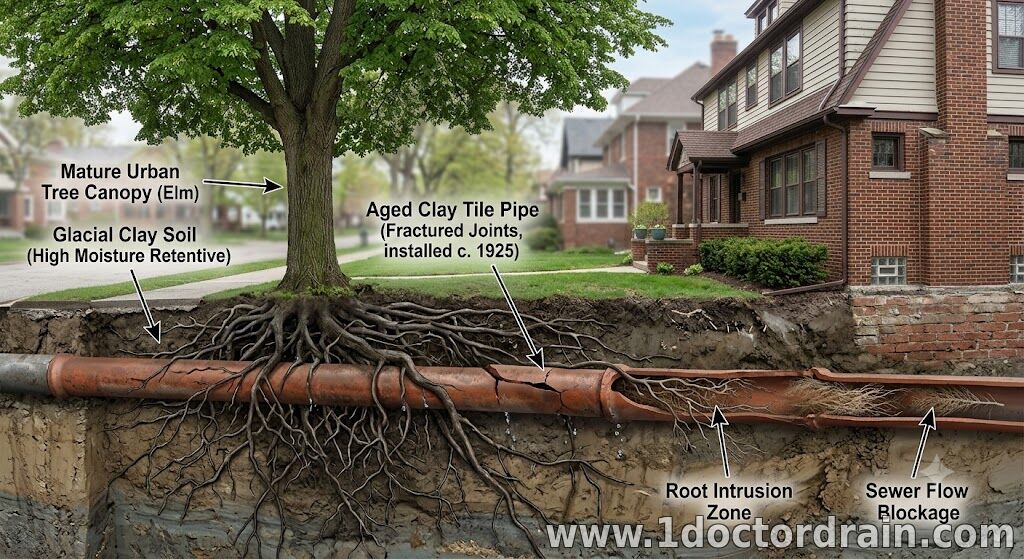
North Shore suburbs frequently sit on soils that can retain water and support sustained root growth—especially near downspouts, yard drainage features, and older landscape beds. When sewer or stormwater pathways leak slightly, they can create a consistently damp environment. Roots are drawn to that moisture, then take advantage of tiny openings to move deeper.
Even homes with “working” exterior drainage can be affected if a line is slowly losing integrity. Over time, that small leakage can become an ongoing water source that encourages root pathways to expand. 2) Older sewer and drain lines are more likely to have openings
Many North Shore properties include components installed decades ago—clay, older concrete, or early composite materials that eventually crack, shift, or separate at joints. Tree roots don’t need a big break to enter; they can exploit hairline fractures, misaligned couplings, or joints that have widened with ground movement.
Once roots gain an entry point, they can both block flow and increase the likelihood of further failure by pressing on weakened sections. That can lead to backups, slow drains, or recurring maintenance issues. 3) Mature landscaping and street-side trees increase contact risk
Properties in the North Shore are known for established yards and mature trees. Landscaping often sits close to utility corridors—particularly along side yards, near property boundaries, and around older drainage easements. If tree roots are near buried lines, the odds of intrusion rise, especially when moisture gradients favor root growth toward the underground infrastructure.
In some cases, roots are also influenced by irrigation systems. While irrigation supports landscaping, it can inadvertently intensify damp zones near drains and sewer routes. 4) Freeze-thaw cycles and ground shifts can worsen line gaps
Chicago’s climate drives repeated freeze-thaw expansion and contraction. Those cycles can stress older pipes, move backfill, and accelerate cracks at joints. When the ground heaves or settles—whether due to seasonal changes, nearby construction, or tree growth—the chance of new openings forming increases.
As a result, homeowners may not notice an issue until it has progressed. By the time symptoms show up, roots may already be established along a section of line.
Common early signs often include slow drains, recurring clogs in the same area, backups after light rain or irrigation, and gurgling sounds near fixtures. In some homes, there are no obvious interior symptoms until a backup occurs, which is why periodic line inspections can be valuable.
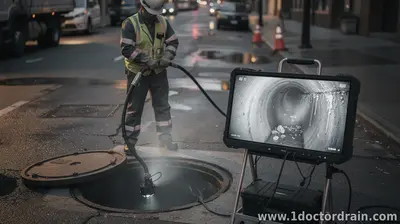
Because root intrusion can affect both sewer and stormwater pathways, the most reliable way to confirm the cause is a professional camera inspection. That allows technicians to locate where roots entered, assess line integrity, and determine whether the issue is localized or distributed.
What homeowners can do next
While prevention is helpful, the best results usually come from combining smart yard management with infrastructure assessment. Consider scheduling an inspection if you’re seeing repeated drainage issues, and ask specifically about roots, joint condition, and evidence of leaks.
Root intrusion in North Shore Chicago homes is often the result of a practical equation: nearby mature trees + persistent moisture + aging (or shifting) underground lines. When homeowners address the underlying pathway—rather than treating symptoms alone—they’re more likely to reduce repeat problems and protect property value.
| |
|
| |
CALL ☎ Subscribe 👆
Next & Previous posts
Related materials:
CONTACT US 📩
Submit the form, we'll contact you as soon as possible!