
2:26 AM Bathtub Drain vs. Shower Drain: Different Problems, Different Fixes | |
Bathtubs and showers share one goal—moving water away fast—but their drains often develop problems in different ways. A clog in a shower is frequently driven by hair and soap residue, while bathtub issues can include heavier debris, thicker grime build-up, and slower drainage due to bathtub plumbing geometry.
Understanding the differences can prevent repeat clogs and help you avoid fixes that only work for one drain type. Why shower drains clog more often
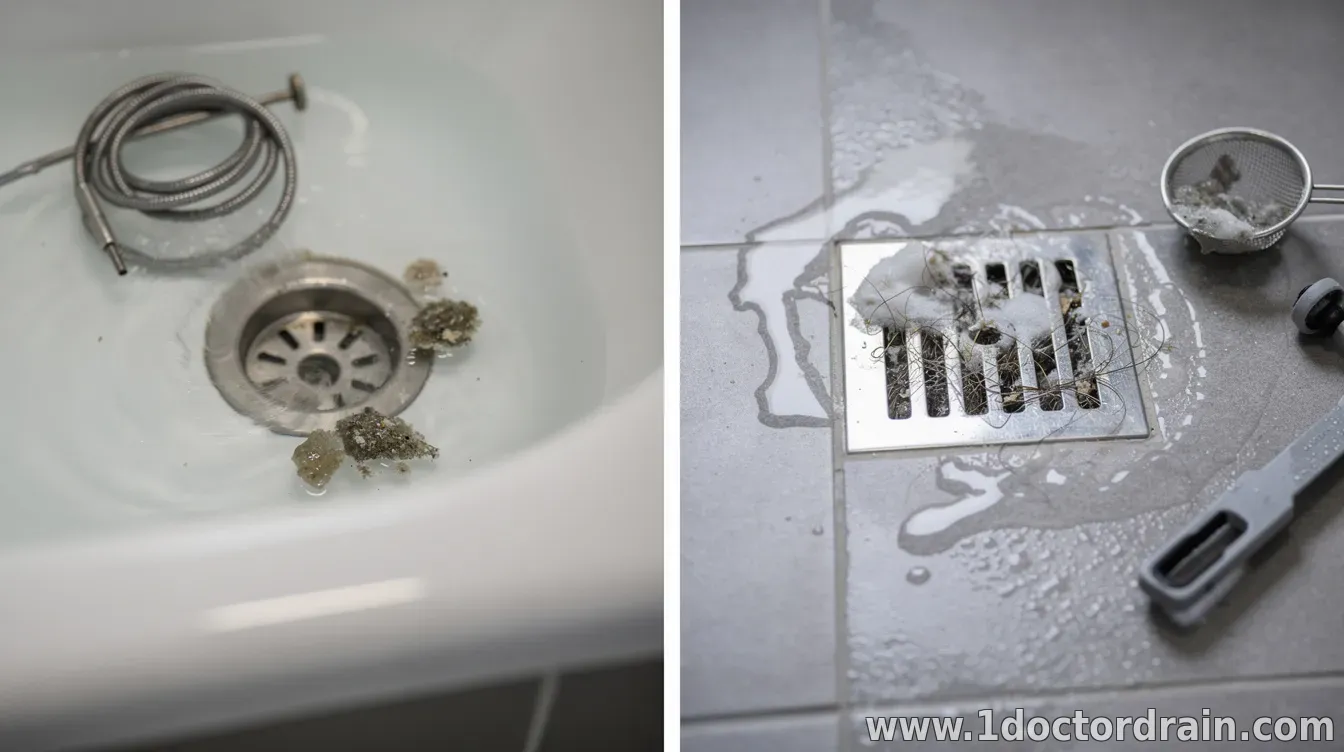
Shower drains typically collect hair, skin flakes, and detergent or shampoo residues. Over time, these materials combine with soap scum and hard-water minerals to form a sticky “mat” that hair easily catches. Because showers often involve repeated small rinses rather than occasional deep flushes, the build-up can accumulate quickly.
Common signs include standing water after the shower starts, water that drains slowly at first then stops, and a gurgling sound from the drain line. What bathtub drains get that showers don’t
Bathtub drains can face heavier or different material inputs: product residues from shaving gels, conditioner-rich water, and debris that settles as the bath sits. Bathtub plumbing also sometimes has different slopes and trap configurations, which can make certain partial blockages take longer to clear.
Instead of a quick “hair plug,” bathtub clogs may show up as persistent slow drainage across many uses—especially if bath water is allowed to linger or if there’s mineral scale on the drain and surrounding pipe surfaces. Fixes: match the cause to the drain type
For both drain types, start with low-risk steps that address the most common culprits. If you can access the drain opening, remove visible hair and gunk with gloves and a drain tool, then run hot water to test whether flow improves.
For shower drains, cleaning hair from the strainer and breaking up soap scum is often the fastest path. A nylon brush and a soak in a cleaner designed for soap scum (used according to label directions) can help loosen film so it clears with water. If you suspect a deeper blockage, a drain snake designed for household use is usually more reliable than repeated chemical attempts.
For bathtub drains, focus on scale and thicker residue as well as physical obstruction. Hot water flushes may help after you remove the top debris, but if drainage remains sluggish, a plumber’s auger or a properly sized drain snake can be needed to reach further down the line.
In both cases, avoid mixing different chemical cleaners. Many products—especially those containing acids or oxidizers—can create dangerous reactions and can also damage some pipe materials or seals. Prevention that actually reduces future clogs
The most effective prevention differs slightly by fixture but the principle is the same: stop debris from building into a plug. Use the right drain cover or hair strainer in showers, and consider one that catches small particles without sealing water flow. In tubs, be mindful of rinsing off thick grooming products before the bathwater starts to cool and settle.
Regular maintenance matters. For showers, a quick strainer clean on a schedule (for example, weekly or after heavy use) can significantly reduce soap-scum mat formation. For bathtubs, occasional deep cleaning to address residue on the drain assembly can keep water moving. When to call a plumber
If both fixtures in the same area drain poorly, if you notice recurring clogs shortly after clearing them, or if you encounter persistent gurgling, foul odors, or slow drainage that worsens over time, there may be a main-line issue rather than a single-trap problem. In those situations, a licensed plumber can inspect with appropriate tools and help prevent repeated trial-and-error.
Quick takeaway: shower clogs are often hair-plus-soap scum, while bathtub clogs frequently involve thicker residue and slower-flow plumbing dynamics. Use the right tool and cleaner for the source, and you’ll spend less time unclogging and more time enjoying a drain that works.
| |
|
| |
CALL ☎ Subscribe 👆
Next & Previous posts
Related materials:

CONTACT US 📩
Submit the form, we'll contact you as soon as possible!