
0:46 AM Tiny Flies in Your Sink Drain: What’s Living There | |
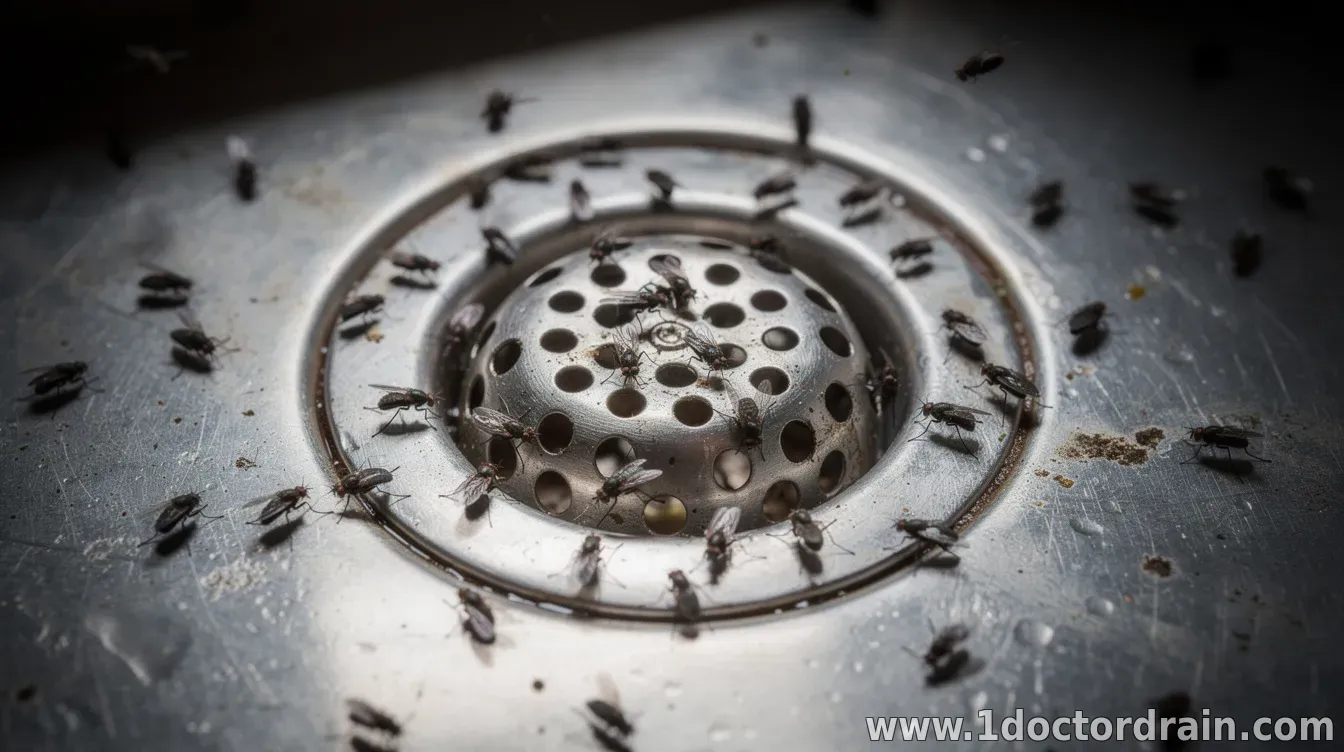
Those tiny flies that appear around your kitchen or bathroom sink are usually not random visitors. In many cases, they’re completing their life cycle in or near the drain—fed by buildup, moisture, and organic material.
While the exact species can vary, the pattern is similar: adults emerge, you notice them around the sink area, and then the problem returns unless the breeding conditions are removed. Why sink drains attract small flies
Most drain-associated “sink flies” thrive in damp, nutrient-rich environments. Over time, organic residue from food particles, grease, soap scum, hair, and toothpaste can form a slippery biofilm inside pipes. Even if the sink surface looks clean, that layer can keep producing conditions for eggs and larvae.
Moisture is the other key ingredient. A slow-draining sink or one that’s frequently left with standing water creates a habitat that supports larval development. Common culprits: fruit flies, drain flies, and fungus gnats
Several common insects can look similar at first glance:
In practice, the strongest clue is whether the flies consistently reappear after the sink has been left undisturbed for a few days. How to confirm the source
You can narrow down the cause without specialized equipment. First, observe where the adults cluster most heavily—if they gather around the drain opening or along the sink trap area, a drain-based lifecycle is more likely. Next, check for slow drainage and odors, both signs of organic buildup.
For additional confirmation, inspect the drain opening and visible interior surfaces with a flashlight. A dark, sticky, or patchy film often indicates the breeding habitat is still present. What to do: remove the breeding material, then prevent it
Effective control usually requires cleaning the drain thoroughly rather than relying only on sprays or traps. Start with mechanical removal: use a drain brush or a flexible cleaning tool to dislodge buildup where possible.
Next, use an enzymatic cleaner or a drain treatment designed to break down organic matter and biofilm. Avoid mixing chemicals—especially strong acids and bases—and follow product instructions carefully. If the sink drains slowly, clearing the blockage and improving flow can reduce moisture retention and limit breeding opportunities.
Finally, cut off food and water sources that keep adults coming back. Wipe greasy residue from dishes before rinsing, dispose of food waste promptly, and keep the sink dry when not in use. For homes with houseplants, ensure plant soil isn’t staying constantly wet, since fungus gnats can piggyback on household humidity. When to call in helpIf you’ve cleaned and treated the drain but the flies persist for weeks, the issue may be deeper in the plumbing, connected to a secondary drain line, or related to an ongoing moisture problem elsewhere (such as leaks under cabinets). A licensed plumber or pest professional can inspect the drain system and identify hidden buildup or structural causes.
With the right identification and a focus on drain hygiene, most recurring fly problems can be eliminated by disrupting the environment where larvae develop—rather than just catching the adults.
| |
|
| |
CALL ☎ Subscribe 👆
Next & Previous posts
Related materials:
CONTACT US 📩
Submit the form, we'll contact you as soon as possible!