1:48 AM Reducing Liability: Documented Drain Maintenance for Landlords | |
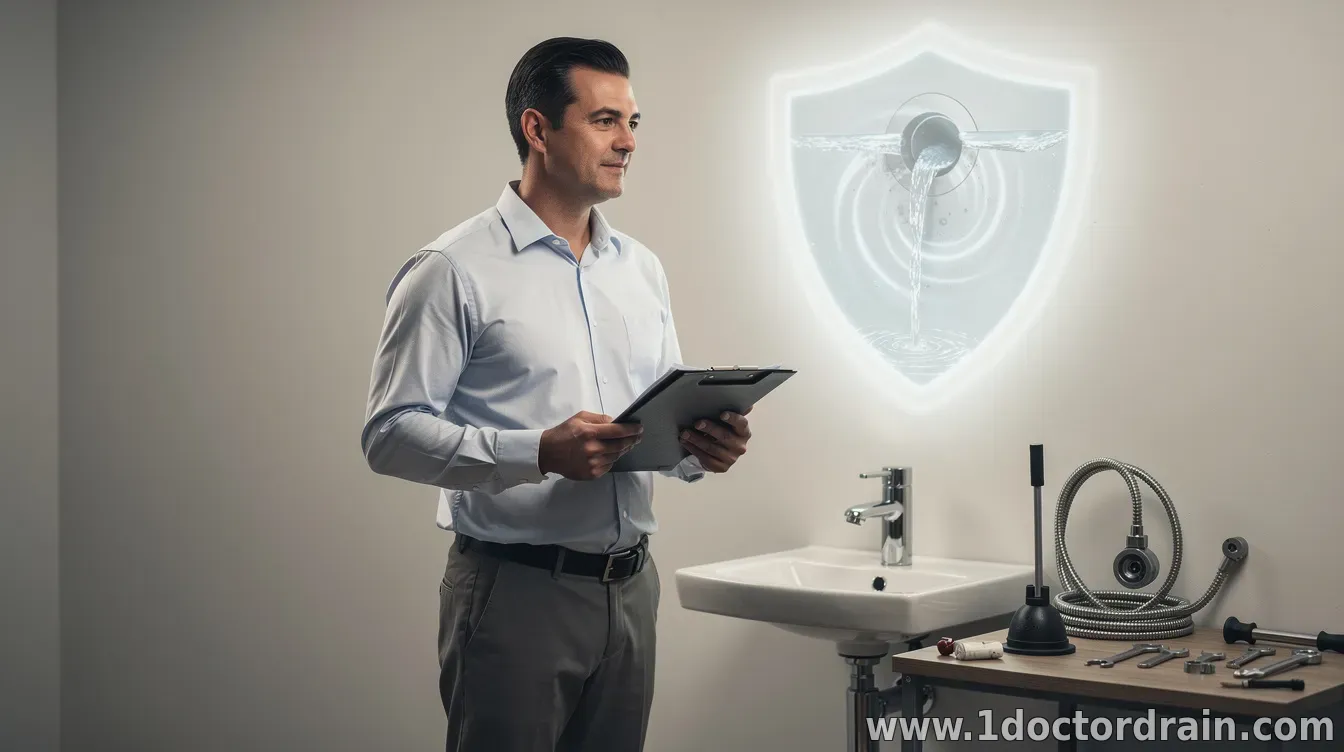
Blocked drains, sewage backups, and leaking pipes are common property maintenance challenges—and they’re also frequent sources of tenant complaints and liability claims. While landlords can’t eliminate every plumbing failure, they can significantly reduce risk by proving that maintenance was planned, performed, and monitored. The strongest protection often comes down to documentation.
Documented drain maintenance typically means more than a vague “plumbing was fixed” note. It’s a consistent record showing when inspections occurred, what was found, what work was performed, and how follow-up was handled. This helps demonstrate diligence, supports insurance processes, and can clarify what caused—or contributed to—a later problem. What to document during drain maintenance
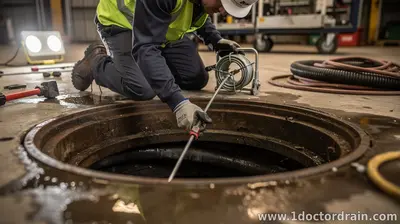
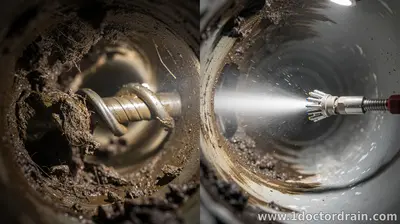
Start by recording details at each step of the process. For routine checks, document the date, the scope (e.g., kitchen sink, bathroom line, main stack), and the condition observed. If tools or methods were used—such as camera inspection or hydro-jetting—include the approach and results. For repairs, capture parts used, the location of the issue, and whether the fix addressed the root cause rather than only the symptom.
When contractors perform the work, the paperwork matters as much as the service itself. Keep invoices, signed service orders, and any before-and-after findings from inspection reports. If applicable, store photos of visible leaks or access points, notes about any temporary measures taken, and confirmation of when normal service was restored. Build a maintenance timeline tenants and courts can understand
Most disputes come down to timing: Did the landlord act promptly after a concern was reported? Did maintenance occur regularly enough to prevent foreseeable problems? A maintenance timeline that aligns tenant reports with inspection and repair dates can show reasonable response. It can also demonstrate that the landlord identified recurring issues and addressed them before they escalated.
To keep the record usable, use consistent categories: request intake (who reported what and when), troubleshooting (what was checked), work performed (what changed), and outcome (what improved and how you verified it). If a situation is delayed due to supply constraints or access issues, document the reason and the next planned action. Include compliance and safety checks
Drain maintenance often overlaps with broader building compliance, including sanitation requirements and waste-handling rules. Depending on jurisdiction, landlords may need to demonstrate adherence to local plumbing codes, backflow prevention expectations, or specific requirements for wastewater systems. Where relevant, store evidence of permits, code-related inspections, and any safety certifications provided by licensed professionals.
Documentation should also cover access and hazard control. If drain work required turning off water, restricting use of an area, or coordinating entry times, note what was communicated to tenants and when. Clear communication records can be important when tenants later claim they were not informed about interruptions or safety precautions. How to strengthen records over time
Even well-maintained properties benefit from ongoing quality checks. Consider tracking trends—such as repeated clogs in the same fixtures or recurring odors in shared areas—to justify preventative servicing. If camera inspections reveal recurring buildup or tree-root intrusion, document the findings and the recommended next steps. This shifts maintenance from reactive to preventive.
For administrative strength, maintain records in a centralized system: a folder per property and per unit, with subfolders for inspections, contractor reports, tenant service requests, and receipts. Ensure records are organized by date and are readily retrievable when responding to claims, insurance inquiries, or regulatory reviews. Practical next steps for landlords
Ultimately, liability reduction is about demonstrating responsibility. By keeping detailed, consistent records of drain maintenance—inspections, cleaning, repairs, contractor documentation, and follow-up—landlords can better show that they acted reasonably, addressed risks promptly, and maintained the property in a safe, functional condition
| |
|
| |
CALL ☎ Subscribe 👆
Next & Previous posts
Related materials:

CONTACT US 📩
Submit the form, we'll contact you as soon as possible!