0:49 AM Is Hydro Jetting Safe for Old Pipes? | |
|
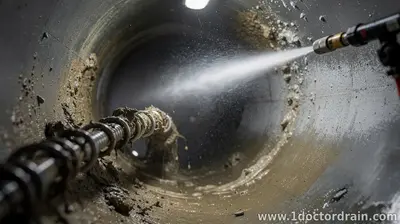
Hydro jetting—using high-pressure water to clear clogs and buildup—often works better than mechanical methods for restoring flow. But for older homes, the safety question matters: do aged pipes have the strength to handle the force?
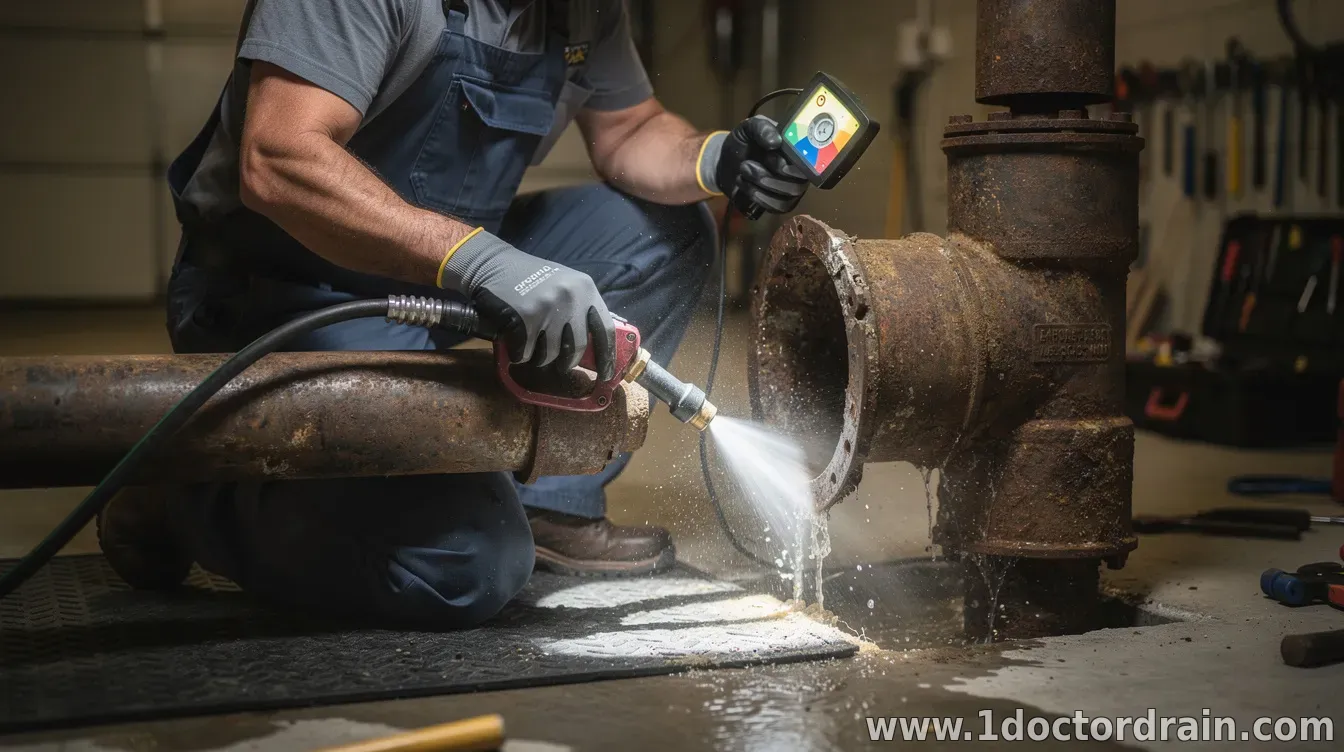
In many cases, hydro jetting is safe for old pipes if the plumbing system is suitable for it. Professionals typically treat the process like a diagnostic step: they confirm the pipe material and condition, then select an appropriate pressure, nozzle type, and technique to avoid unnecessary stress on the line. When hydro jetting is usually safe
If the pipes are made of durable materials (commonly certain cast iron, some PVC, or well-maintained lines), and there are no signs of major structural failure, hydro jetting can be an effective way to remove scale, grease, and mineral deposits. It can also help reduce recurring backups by cleaning the interior more thoroughly than surface-level clearing.
Another safety factor is how the job is executed. Experienced plumbers regulate pressure, use the right nozzle for the blockage type, and avoid “chasing” hard damage—stopping the process if they detect conditions that could worsen. When hydro jetting can be risky
Hydro jetting may be unsafe or inappropriate for older pipes that show significant deterioration. Common red flags include extensive corrosion, collapsed sections, recurring leaks, severe internal scaling that indicates thinning walls, or known cracks and separated joints. In these scenarios, high-pressure water can enlarge weak spots, dislodge debris into other areas, or accelerate failure.
It can also be risky if the system has older, fragile connections (such as deteriorated seals or failing fittings) that could be stressed by jetting forces. The best way to decide: inspection first
Before jetting an older line, many plumbers recommend a camera inspection (often after initial troubleshooting). This helps determine whether the clog is mostly buildup that can be safely washed away—or whether it’s tied to structural problems where gentler methods are safer.
If inspection isn’t performed, homeowners face the greatest uncertainty. A “one-size-fits-all” jetting approach increases the chance of damage, particularly in plumbing that has been problematic for years. What to ask a plumber
Homeowners can reduce risk by asking a few practical questions:
These questions guide the decision and signal whether the contractor is treating hydro jetting as a tailored procedure rather than a default fix. Bottom line
Hydro jetting can be safe for old pipes when professionals assess the system, choose conservative settings, and avoid jetting lines that appear compromised. For plumbing with signs of serious wear or structural failure, other approaches may be the better option to prevent further damage.
If you’re considering hydro jetting for older pipes, the safest path is inspection-based planning. That way, the cleaning benefits can be captured without putting fragile plumbing at undue risk.
| |
|
| |
CALL ☎ Subscribe 👆
Next & Previous posts
Related materials:
CONTACT US 📩
Submit the form, we'll contact you as soon as possible!