
1:42 AM Spring Thaw and Sewer Backups: Why Calls Spike | |
Spring is often a welcome relief after months of cold weather—but for many homeowners, it’s also a peak period for plumbing emergencies. Reports from plumbing and drain-cleaning companies show that calls for sewer backups, overflowing drains, and stubborn clogs tend to rise sharply during the spring thaw, especially after rapid warming and bouts of heavy precipitation.
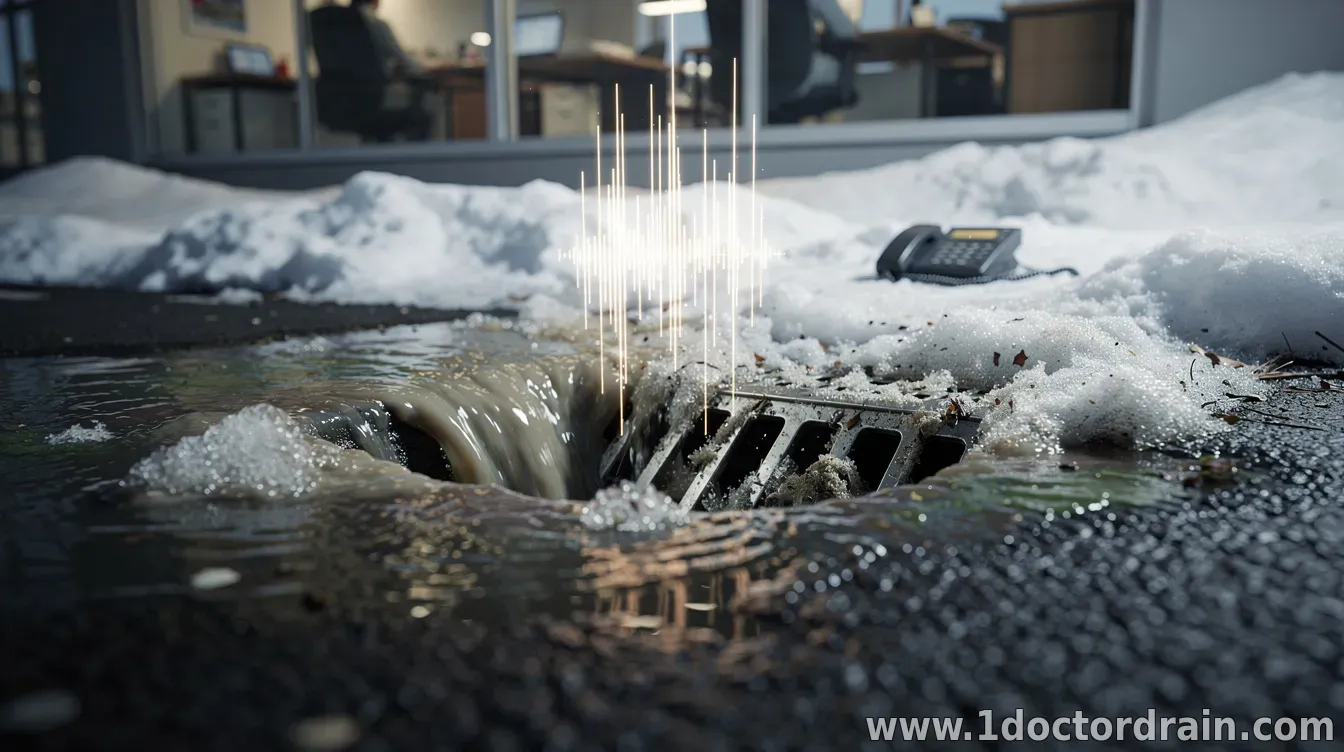
Unlike summertime problems that may be caused primarily by routine wear and tear, spring incidents are frequently tied to how thaw cycles stress sewer infrastructure. When temperatures climb quickly, accumulated snow and ice begin to melt and flow into local waterways and storm systems. In some neighborhoods, that extra volume finds its way into sewer lines—either through aging connections, cracked pipe joints, or areas where groundwater infiltration increases pressure and flow. Thaw cycles can overload the system
During the freeze season, water in soil and underground pipes can become immobilized. As the ground thaws, that stored water returns to movement. The combined effect of meltwater, rising groundwater levels, and rainfall can push flows beyond what drains and sewer mains can handle, increasing the likelihood of backups.
Even if a household’s plumbing is functioning normally, surging conditions in the public sewer line can cause wastewater to back up into lower levels of a building. Basements, crawl spaces, and floor drains are typically the most vulnerable, particularly in homes without effective backflow protection. Heavy rain plus spring storms adds to the problem
Spring weather is rarely consistent. A warm day can melt snow quickly, and subsequent storms can deliver additional water in short periods. This “melt-and-rain” sequence can overwhelm stormwater infrastructure while also contributing to the volume entering wastewater systems—raising the odds of clogs caused by debris, grit, and organic material moving through pipes.
Another factor is sediment buildup from winter. Sand, salt residues, and small debris that accumulated on roads and around storm inlets can be flushed downstream when melting accelerates, increasing the chance that partial blockages become full obstructions. Groundwater infiltration raises pressure
As groundwater levels increase during thaw, infiltration through older pipes and joints can become more significant. In some cases, groundwater can enter sewer lines at points where pipe material or connections have deteriorated over time. The additional volume can reduce capacity and intensify backup risk, particularly where lines are already close to their operational limits.
For homeowners, symptoms may include slow drains, gurgling sounds from fixtures, recurring blockages, or water backing up in toilets, tub drains, or laundry areas after rainfall. While these signs can have multiple causes, they often appear in clusters during spring weeks when conditions change rapidly. What to do when backups are suspected
If you notice warning signs, professionals recommend acting early—before a minor blockage escalates. Avoid flushing large amounts of debris or waste, and refrain from using chemical drain cleaners in situations that suggest sewer backup, since they may be ineffective against deeper line problems and can complicate repairs.
Some practical precautions can also reduce damage during the highest-risk months. Installing or maintaining backwater valves and sump pumps (where applicable), keeping gutters and downspouts directing water away from the foundation, and reducing what goes into drains can help limit strain on plumbing during peak conditions.
When a backup occurs, prompt action matters for both safety and restoration. Because sewer-related incidents may involve contaminated water, homeowners are typically advised to prioritize professional assessment, appropriate cleanup, and inspection of connected plumbing and external drainage points to identify the underlying cause.
For communities, the seasonal spike is a reminder that sewer systems depend on capacity, condition, and weather patterns. While spring thaw can be temporary, infrastructure improvements—such as targeted maintenance, inspection of aging lines, and reducing cross-system infiltration—can lower the chance of backups during future thaw cycles.
| |
|
| |
CALL ☎ Subscribe 👆
Next & Previous posts
Related materials:
CONTACT US 📩
Submit the form, we'll contact you as soon as possible!