4:52 AM Storm Drain Backups: Causes and Prevention Tips | |
Storm drain backups happen when stormwater can’t flow through drainage systems as quickly as it arrives. The result is pooled water on roads, basements that take on moisture, and damaged infrastructure—most often during intense rainfall, rapid snowmelt, or prolonged storms. Why storm drains back up
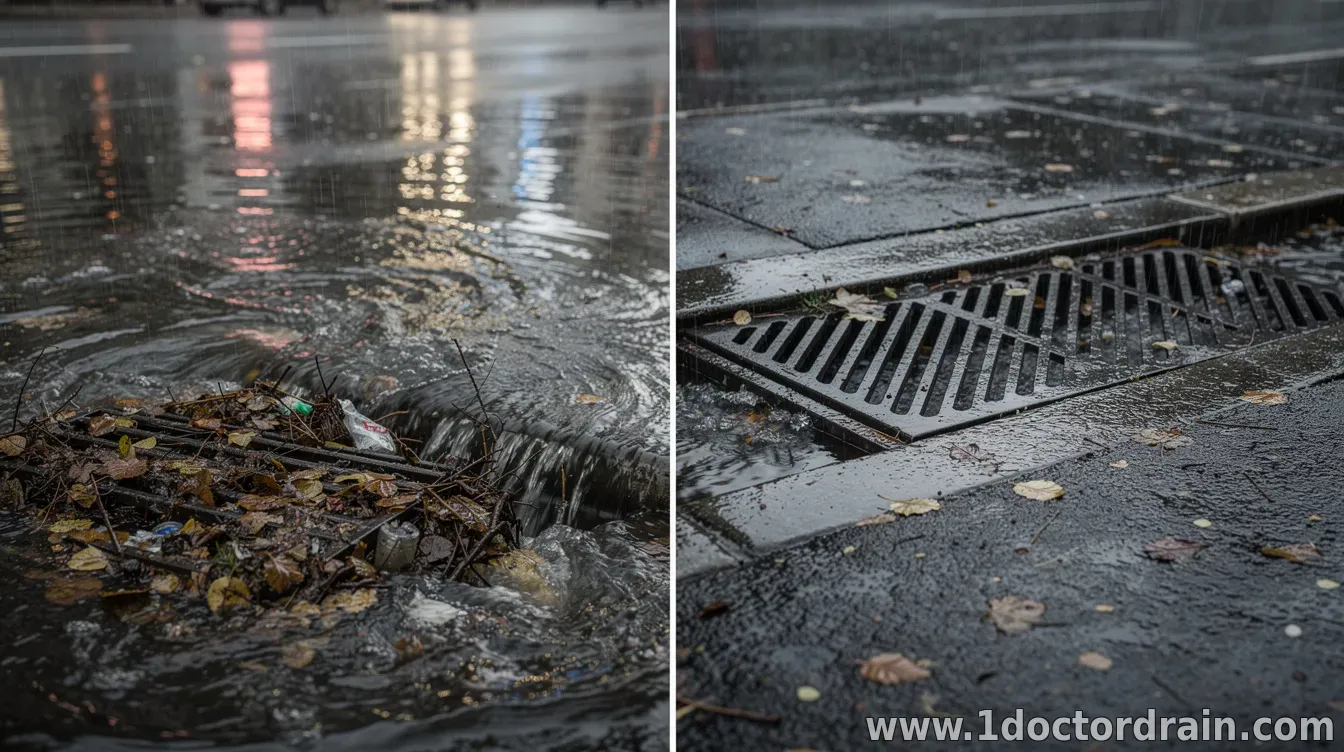
One of the leading causes is simple blockage. Leaves, trash, sediment, and yard debris can collect around drain inlets and inside storm lines, narrowing flow passages and slowing water movement.
Even without a single “clog,” storm drains can fail when rainfall exceeds the system’s design capacity. Aging infrastructure, undersized pipes, or recent development that increases runoff can make it harder for storm drains to keep up during peak events. Less visible factors that contribute
Soil conditions and surface flow matter, too. Saturated ground reduces infiltration, sending more water to streets and drains at once. Flat grades, poorly planned outfalls, and water backing up from downstream constraints can also force stormwater to reverse direction.
In some areas, cross-connections or maintenance gaps can worsen problems. For example, storm systems may be affected by debris entering through manholes, or by grease and waste that are carried in from nearby catchments—even though grease belongs in sanitary systems, not stormwater lines. What residents and communities can do
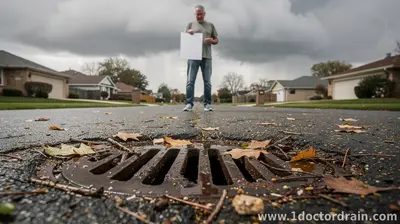
Prevention starts with keeping inlets clear and reducing runoff from the surface. Residents can remove leaves and debris from curbside drains after storms and avoid dumping yard waste or trash near drainage channels. Cleaning should be done carefully to avoid pushing debris further into the inlet.
Communities can reduce backups through regular inspection and targeted maintenance—such as vacuuming lines, jetting for sediment buildup, and checking catch basins before storm season. Upgrading aging pipes, adding storage capacity, and improving stormwater management can also lower the likelihood of system overload.
During heavy rain, take precautions to reduce exposure. If water approaches entrances, move valuables to higher levels, keep a close eye on sump pumps if you have them, and avoid driving through flooded streets. Afterward, document impacts and report persistent drainage issues to the appropriate city department for assessment.
Storm drain backups are rarely caused by one factor; they typically result from the combination of debris, saturated conditions, and drainage capacity limits. With consistent maintenance and smart runoff reduction, communities can cut the risk of flooding and help drainage systems perform as intended.
| |
|
| |
CALL ☎ Subscribe 👆
Next & Previous posts
Related materials:


CONTACT US 📩
Submit the form, we'll contact you as soon as possible!