3:18 AM Slow vs Fully Clogged Drains: How to Tell | |
Homeowners often discover drain issues at the worst moments—after cooking, showering, or running the dishwasher. The key is recognizing how water behaves when the drain is “blocked,” because “slow” and “fully clogged” problems typically point to different causes and urgency.
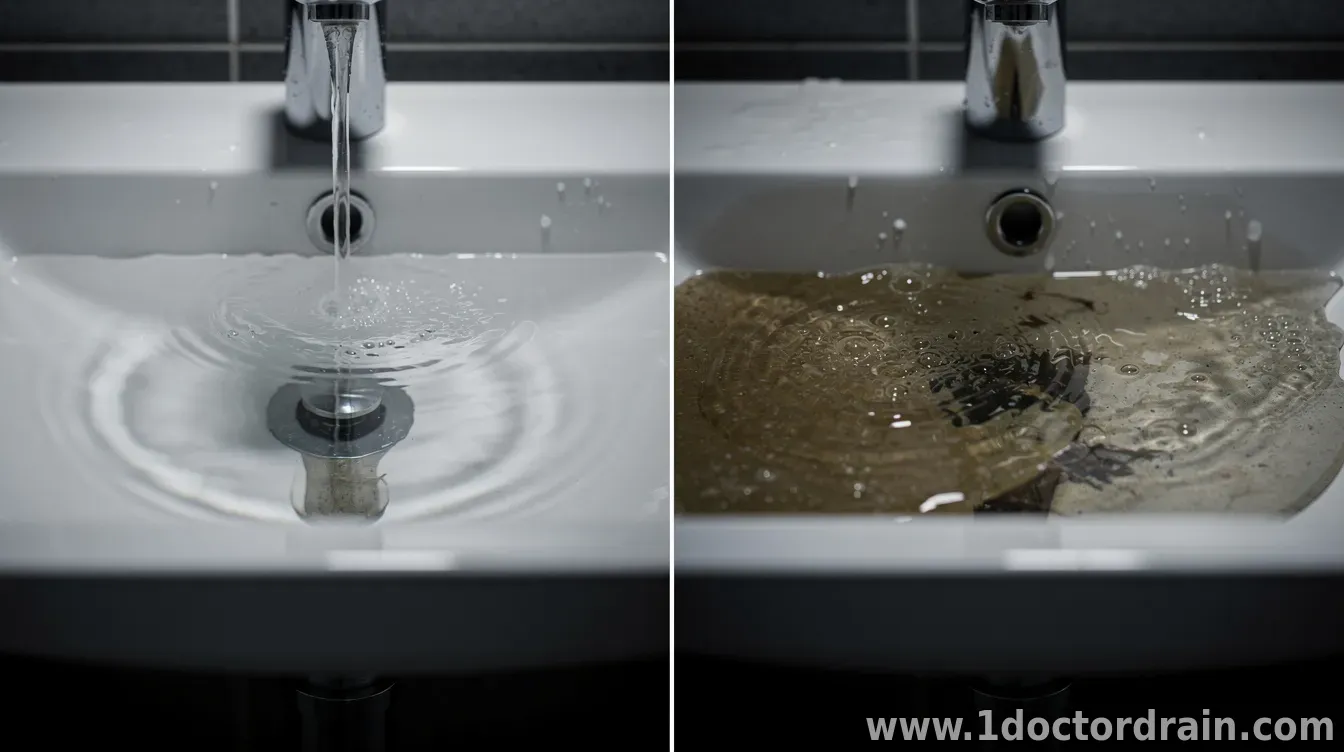
A slow drain generally indicates a partial obstruction (for example, grease, hair, soap buildup, or food debris), while a fully clogged drain suggests a complete blockage that prevents water from moving past the affected section. Signs it’s a slow drain (partial blockage)
If water takes longer than usual to disappear—especially when the issue is limited to one fixture (like a bathroom sink or shower)—the drain is likely partially clogged. You may notice:
Slow drains can worsen over time if the blockage collects more debris or tightens as materials build up. Signs it’s a fully clogged drain (complete blockage)
When a drain is fully clogged, water may not drain at all. In many cases, it can back up and overflow if more water is added. Typical signs include:
Because fully clogged drains can lead to overflow and damage, they usually require faster action than slow-flow issues. Quick checks to confirm the problem
Before choosing a fix, verify where the blockage is occurring. A few practical observations can help:
These checks help you avoid using the wrong tool for the job—or repeatedly treating a symptom instead of the cause. What to do next
For slow drains, many homeowners start with the least disruptive approach: remove visible debris (hair in strainers, gunk near stoppers), then try a plunger designed for the fixture. If the issue persists, a drain auger (snake) can reach deeper buildup.
For fully clogged drains, prioritize preventing overflow. Stop adding water, use the appropriate plunger type for the fixture, and be cautious with chemical cleaners, which may not clear the obstruction and can complicate repairs. If the blockage is severe, spreading to multiple fixtures, or appears related to the main line, contacting a plumber is often the safest route.
In both cases, repeated clogs may signal issues like grease accumulation, improperly disposed waste, or damaged pipe joints. Addressing the root cause early can prevent recurring backups and reduce the chance of more expensive repairs.
Ultimately, the difference between slow and fully clogged drains comes down to one observation: whether water continues to move. Watch how quickly the water level drops, test calmly with small amounts, and choose a response matched to the severity.
| |
|
| |
CALL ☎ Subscribe 👆
Next & Previous posts
Related materials:



CONTACT US 📩
Submit the form, we'll contact you as soon as possible!