2:00 AM Eco-Friendly Drain Care: What Works Long-Term | |
Eco-friendly drain care is less about finding a single “miracle” product and more about consistent maintenance that prevents grease, hair, and debris from building up. In the long run, the greenest option is usually the one that keeps pipes clear without unnecessary chemical stress on plumbing systems and wastewater.
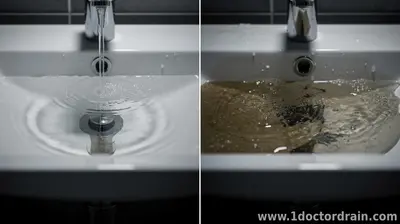
Most drain problems begin with what enters the drain: cooking fats, food particles, hair, soap scum, and mineral deposits. When these materials collect, they create a surface that traps more debris—turning minor slowdowns into recurring clogs. Start with prevention you can sustain
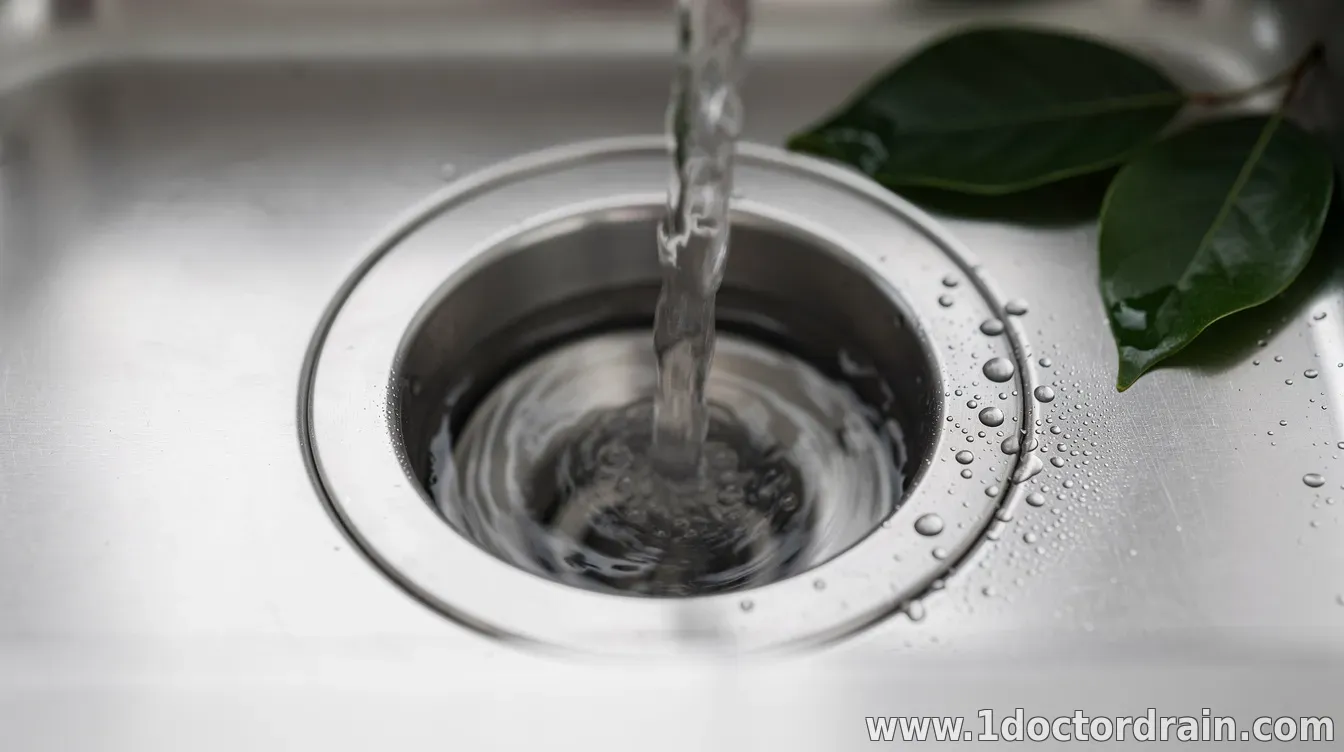
The highest-impact change is keeping solids out. A simple drain strainer catches hair and food scraps before they become sludge, and it’s far easier to empty a basket than to repeatedly treat a clog.
Long-term prevention basics: scrape plates before rinsing, wipe greasy pans with paper towels, and avoid flushing non-biodegradable items. In kitchens, slow-draining is often an early sign that grease is accumulating along pipe walls. Use low-impact methods for routine maintenance
For everyday care, mechanical and biological methods tend to work best with the least environmental downside. Regular hot-water rinses can help manage light buildup, but they’re not a cure-all for stubborn grease.
Enzyme-based drain cleaners are commonly marketed as eco-friendly because they use biological agents to break down organic material. They typically work best when clogs are still small or when you’re using them as part of a maintenance routine—rather than as an emergency response after the drain is fully blocked.
Where possible, a plunger or a plumber’s snake can clear many partial clogs without introducing chemical cleaners. This is not only gentler, but it also reduces the chance that chemical reactions will worsen corrosion or complicate future repairs. When you do need a deeper clean
Not every blockage is organic. Mineral scale, certain soap residues, and dense hair clogs may require physical removal. In these cases, tools that physically clear the obstruction are usually more effective than repeatedly adding “natural” chemicals that can fail to address the real cause.
If you choose to use any chemical product, follow the label carefully and avoid mixing substances. Combining cleaners—even “eco-friendly” ones—can create harmful fumes or reduce effectiveness, and it can make professional diagnosis harder. Know the signs that it’s time for a professional
Long-term eco-friendly drain care also includes knowing when DIY approaches stop working. Persistent slow drains, recurring backups after treatments, gurgling sounds, or bad odors that return quickly can indicate a deeper issue such as a blocked main line or damaged pipes.
Professional plumbers have equipment like inspection cameras and high-pressure or auger systems designed to clear lines without repeated chemical cycling. That matters for both your plumbing lifespan and wastewater impact.
Eco-friendly drain care works when it’s consistent: prevent solids from entering, maintain flow with low-impact methods, and clear obstructions mechanically when needed. With the right routine, you spend less time reacting to emergencies and more time preventing the buildup that causes them.
| |
|
| |
CALL ☎ Subscribe 👆
Next & Previous posts
Related materials:
CONTACT US 📩
Submit the form, we'll contact you as soon as possible!