0:52 AM How to Maintain Your Drains Between Professional Cleanings | |
Professional drain cleanings are essential for tackling stubborn buildup, but homeowners can extend the time between visits with consistent, low-cost maintenance. The goal is to reduce what enters the drain, remove early-stage residue before it hardens, and spot trouble signs early. Start with what you put down the drain
Many blockages begin with everyday habits. In kitchens, keep grease, cooking oil, and food scraps out of sink drains—even if you have a garbage disposal. In bathrooms, avoid flushing or rinsing items that don’t break down easily, such as wipes, hair, and dental floss.
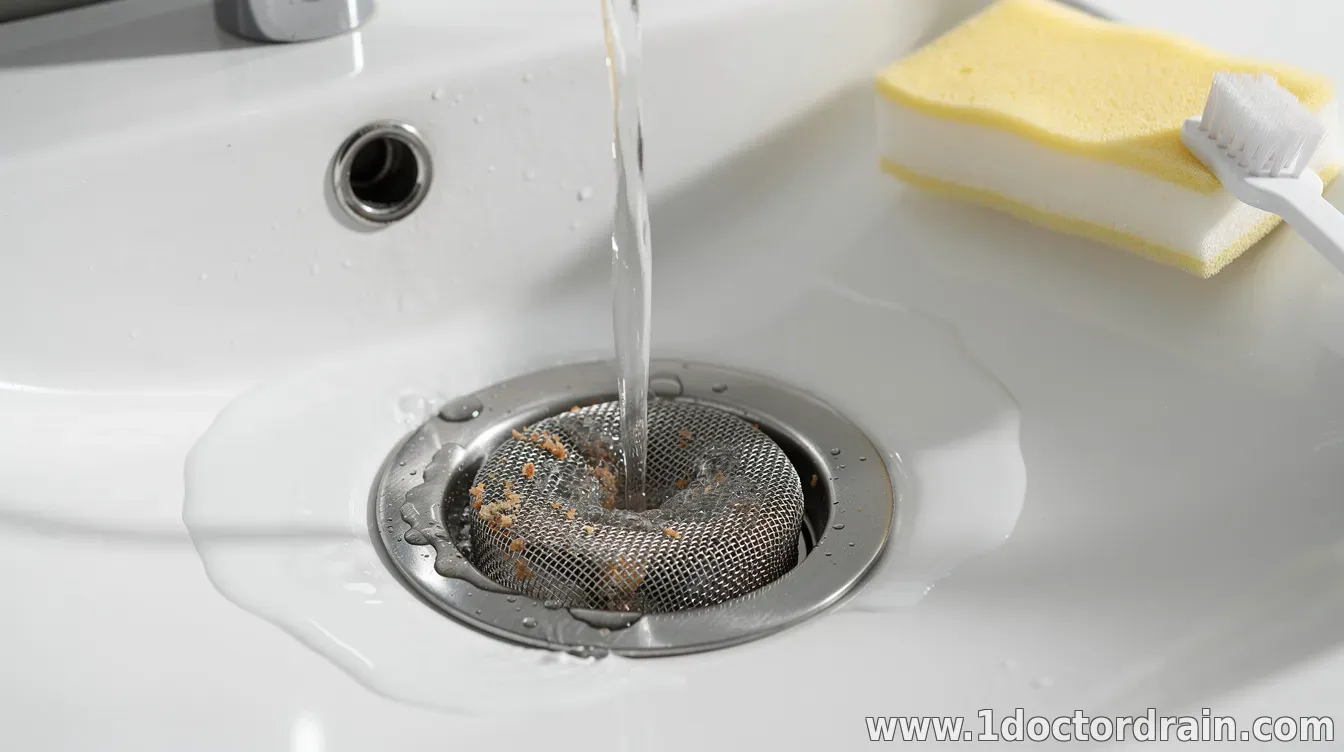
For grease, use a strainer or collect-and-dispose method (e.g., a sealed container) rather than rinsing oil into the plumbing. For bathrooms, hair catchers and drain covers help intercept the material that most often contributes to slow drains. Build a simple cleaning routine
A light-touch routine can prevent buildup that eventually requires professional equipment. Once a week, run hot water for a short period after use—especially in kitchen sinks and showers. This helps carry away residue before it accumulates on pipe walls.
Every few weeks, perform a basic flush using warm or hot water and check drainage speed afterward. If you notice early slowdown, address it sooner rather than waiting for a full clog. Use the right products (and avoid the wrong ones)
Harsh or frequent chemical use can damage some plumbing materials and may worsen certain problems by creating stubborn residues. If you use store-bought drain cleaners, follow the label exactly and avoid mixing products. In many cases, mechanical methods—like removing hair from strainers or clearing visible blockages at the trap—are safer and more effective.
For routine odor control and minor buildup, enzymatic or bacterial drain products can be useful because they target organic matter gradually. They’re not a quick fix for severe clogs, but they can help slow the formation of new blockages when used as directed. Keep overflow and venting problems in mind
Sometimes drainage issues aren’t caused by the drain line itself. If multiple fixtures drain slowly at once, gurgling sounds appear, or odors seem to rise from drains, the problem could relate to venting or a blockage farther along the system. In those cases, continued DIY attempts may delay the fix—and a professional inspection may be the most efficient next step. Know when to call a professional
Call a licensed plumber if you see repeated clogs, persistent slow drainage, foul odors that return quickly, or any signs of backups. Professionals can identify the cause—such as impacted lines, tree-root intrusion, or scale buildup—and use targeted tools like hydro-jetting or inspection cameras to prevent recurrence.
Between cleanings, consistency matters. With better disposal habits, simple periodic flushing, safe product choices, and early attention to warning signs, you can reduce the likelihood of major clogs and keep your drains working reliably.
| |
|
| |
CALL ☎ Subscribe 👆
Next & Previous posts
Related materials:
CONTACT US 📩
Submit the form, we'll contact you as soon as possible!