3:23 AM Sewer Smell Inside the House: Common Causes and Fixes | |
A sudden or persistent sewer smell inside a house is usually caused by a breakdown in how plumbing traps, vents, or drainage systems prevent sewer gases from escaping. While some issues are quick to troubleshoot, others may require a plumber—especially if the odor is strong, recurring, or paired with slow drains.
Start by checking where the smell is strongest. Odors near bathrooms often relate to drains and plumbing seals; smells closer to laundry rooms, floor drains, or basements can point to traps, sewer-line leaks, or ventilation problems. If you also notice gurgling sounds in toilets or sinks, or multiple drains are slow, the cause may be more than a single fixture. Dry or failed P-traps in drains
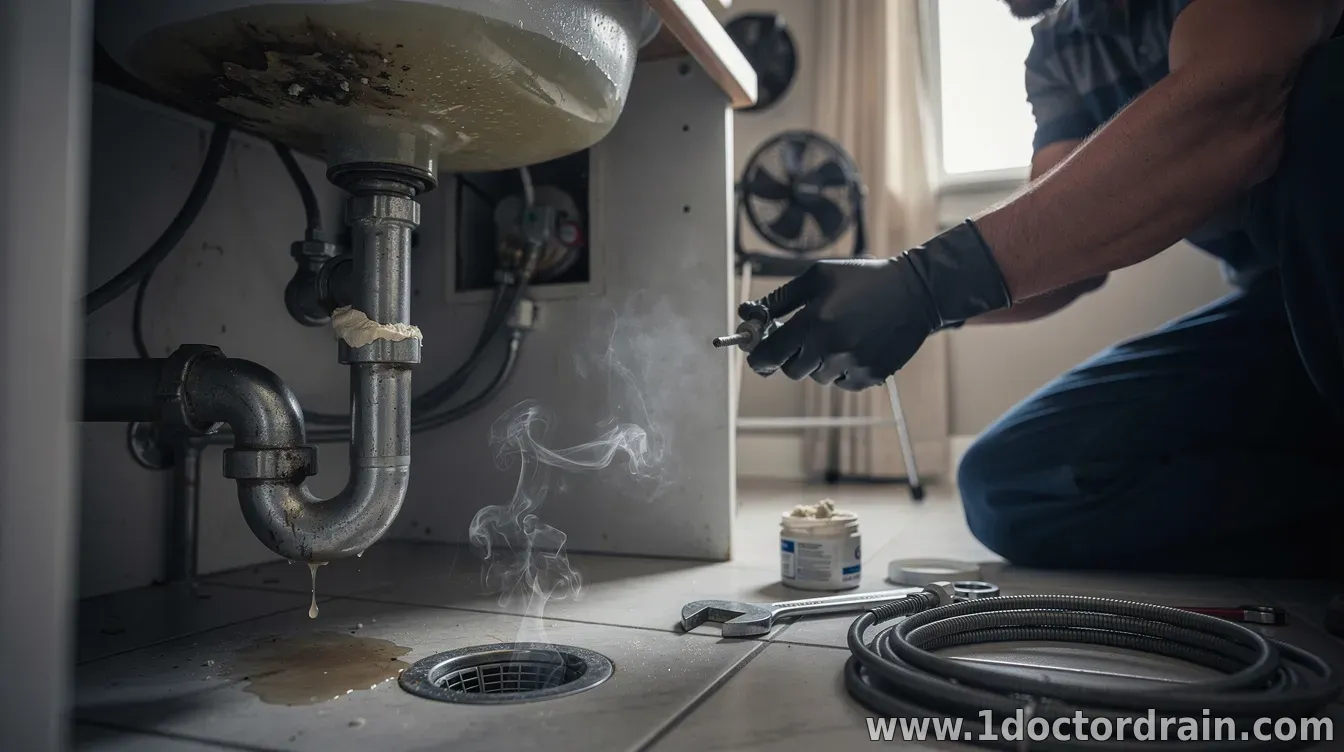
Every sink, tub, and floor drain typically relies on a water-filled trap (often a “P-trap”) to block sewer gases. If a drain hasn’t been used recently—or if water has evaporated—the trap can dry out and allow odors to escape. This is common in guest bathrooms, seldom-used tubs, or vacation homes.
Fix: Run water in the affected drain (and flush toilets) for several minutes. Pour water into seldom-used floor drains or disconnected lines. If the odor returns quickly, inspect for a leak or a missing/incorrect trap installation. Loose, missing, or improperly sealed drain connections
Bad seals around sink drains, toilet connections, or wall plumbing can let sewer gases leak even when the trap still holds water. This can happen after renovations, appliance installs, or repairs that didn’t fully restore connections.
Fix: Check for signs of leaks or residue around drain fittings. Re-seat and properly seal (with the correct plumbing gasket/sealant recommended for that connection type). If you’re unsure whether a toilet is sealing correctly, reseating a toilet can be a solution—but major issues should be handled by a licensed plumber. Ventilation (sewer gas vent) issues
Plumbing vents equalize pressure so water flows correctly and sewer gases don’t push back into the home. Blocked vents—by debris, bird nests, or roof obstructions—or incorrect venting can cause odors to travel indoors. In some cases, you may also notice water siphoning from traps or inconsistent drainage.
Fix: Look for visible exterior vent terminations that may be obstructed. Avoid forcing rods or tools into vents without proper guidance. If blockage is internal or not visible, a plumber can clear the line and confirm venting is compliant and functioning. Clogs or partial backups in the sewer line
A partial obstruction can create pressure changes that push foul air into the home, sometimes intermittently. Slow drains, repeated gurgling, or odors that intensify after using toilets or showers can indicate the main line or a downstream section is restricted.
Fix: Don’t rely on strong chemical drain cleaners—they can worsen problems or damage plumbing. If symptoms suggest a clog in the main line, contact a plumber for diagnostic equipment (like camera inspection) and safe removal. If you suspect a true backup, address it promptly to reduce health and property risks. Broken seals, leaks, or damaged sewer lines
Over time, sewer lines can crack due to tree roots, shifting soil, corrosion, or pipe deterioration. Even small leaks near foundations or under slabs can release sewer odors into basements, crawlspaces, or utility areas.
Fix: Trace odor sources by checking floors, crawlspaces, and utility penetrations for dampness or stains. If you detect ongoing moisture, persistent odor, or multiple affected areas, a professional inspection—often using video—can pinpoint the leak and determine repair or replacement options. Basement floor drains and unused areas
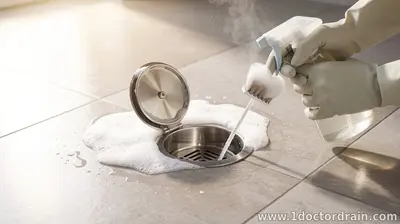
Floor drains and sumps can be overlooked. If water has gone unused, traps can dry out, and odors can rise from drains in basements, garages, or mechanical rooms.
Fix: Ensure traps are kept filled by running water periodically or using a trap primer system if appropriate. Also check for stagnant water, evaporating water from the trap, or any nearby plumbing penetrations that may be leaking.
When to call a professional right away: strong or worsening odors, sewage odors that follow heavy use, multiple drain issues, gurgling sounds, visible water damage, or any signs of a suspected main-line problem. A plumber can confirm whether the issue is a simple trap/vent problem or something that requires sewer-line repair.
In the meantime, improve ventilation and avoid “masking” the smell with fragranced products. If possible, keep water running only in affected drains while troubleshooting, and document when the odor appears (after showers, laundry cycles, or toilet use) to help the next diagnosis.
| |
|
| |
CALL ☎ Subscribe 👆
Next & Previous posts
Related materials:
CONTACT US 📩
Submit the form, we'll contact you as soon as possible!