1:58 AM Sewage Ejector Pump vs. Sump Pump: Key Differences | |
Homeowners often use the terms sewage ejector pump and sump pump interchangeably, even though they are built for different jobs. The distinction matters because selecting the wrong pump can lead to poor performance, odors, backups, and premature failure.
In general, a sump pump is intended for clean to lightly contaminated groundwater intrusion, while a sewage ejector pump is designed to handle wastewater that may contain solids and organic material. Both can discharge water to a safe location, but their internal components and intended liquid chemistry are not the same. What a sump pump is for
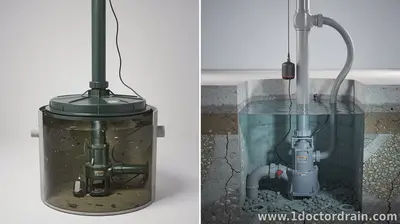
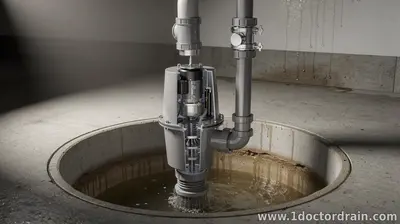
A sump pump is typically installed in a sump pit below the basement floor to control water that seeps into the home, especially during heavy rain or groundwater rise. It’s commonly used for conditions such as groundwater seepage, foundation drainage, or basement flooding caused by external water pressure.
Because sump pumps are designed around the idea that the liquid is mostly water, they generally handle clear or slightly dirty water—not raw sewage. Many are not built to manage solids, toilet waste, or material that can clog or degrade less robust components. What a sewage ejector pump is for
A sewage ejector pump (also called an effluent pump or ejector in some contexts) is used when wastewater must be moved from a lower level to a higher drain line—often because the home’s plumbing fixtures are below the sewer line or gravity flow isn’t possible.
These systems are designed to pump sewage or wastewater, which may include human waste and other solids. Sewage ejector pumps typically use tougher impellers and are engineered to reduce clogging risk and tolerate the corrosive characteristics associated with wastewater. How their discharge and plumbing differ
Both pumps can discharge to a drain, but the piping and system requirements can differ based on local codes and the waste type. A sump pump discharge line is usually routed to a storm drain, dry well, or another approved outlet, aiming to move groundwater away from the property.
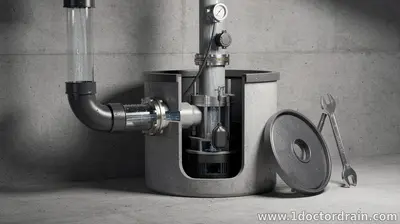
By contrast, a sewage ejector pump connects to plumbing where it can send wastewater into the home’s sewer or to a higher-pressure or gravity sewer line. Because the goal is to transport waste safely, the system often requires check valves and specific venting or piping runs to prevent backflow and meet code requirements. Which pump handles what liquids?
The simplest rule of thumb is: match the pump to the type of liquid entering the system.
Using the wrong pump can cause rapid clogging, motor strain, or failure of internal parts not intended for solid waste or corrosive conditions. Common signs you may need the right type
If you’re deciding between them, look at what’s entering the pit or what plumbing fixture is connected. Repeated problems—such as persistent odors, frequent clogging, or backups from fixtures that discharge waste—often indicate the system is being asked to handle liquid types it wasn’t designed for.
Conversely, if your issue is groundwater seepage and the pit mainly collects moisture from foundation drainage, a sump pump is usually the appropriate solution. When in doubt, inspect the connected piping and confirm the pump’s rating and intended applications. Installation and maintenance considerations
Both pump types benefit from proper installation, especially regarding the basin size, float switch placement, check valve function, and power reliability. Many failures come from issues like clogged intakes, failed check valves that allow backflow, or lack of routine cleaning.
For sewage ejector pumps, maintenance is particularly important because wastewater solids can accumulate. For sump pumps, keeping the intake area clear and ensuring the discharge path isn’t blocked helps prevent performance drops during heavy rainfall events.
Because local building codes and plumbing requirements vary, the safest approach is to verify the correct pump type for your use case and consult a qualified plumber or installer if you’re unsure.
Bottom line: a sump pump is built for groundwater control, while a sewage ejector pump is engineered to move wastewater that may contain solids. Matching the pump to the liquid type is the key difference—and the best way to avoid costly backups and damage.
| |
|
| |
CALL ☎ Subscribe 👆
Next & Previous posts
Related materials:
CONTACT US 📩
Submit the form, we'll contact you as soon as possible!