1:04 AM What Is a Sewage Ejector Pump and When to Service It | |
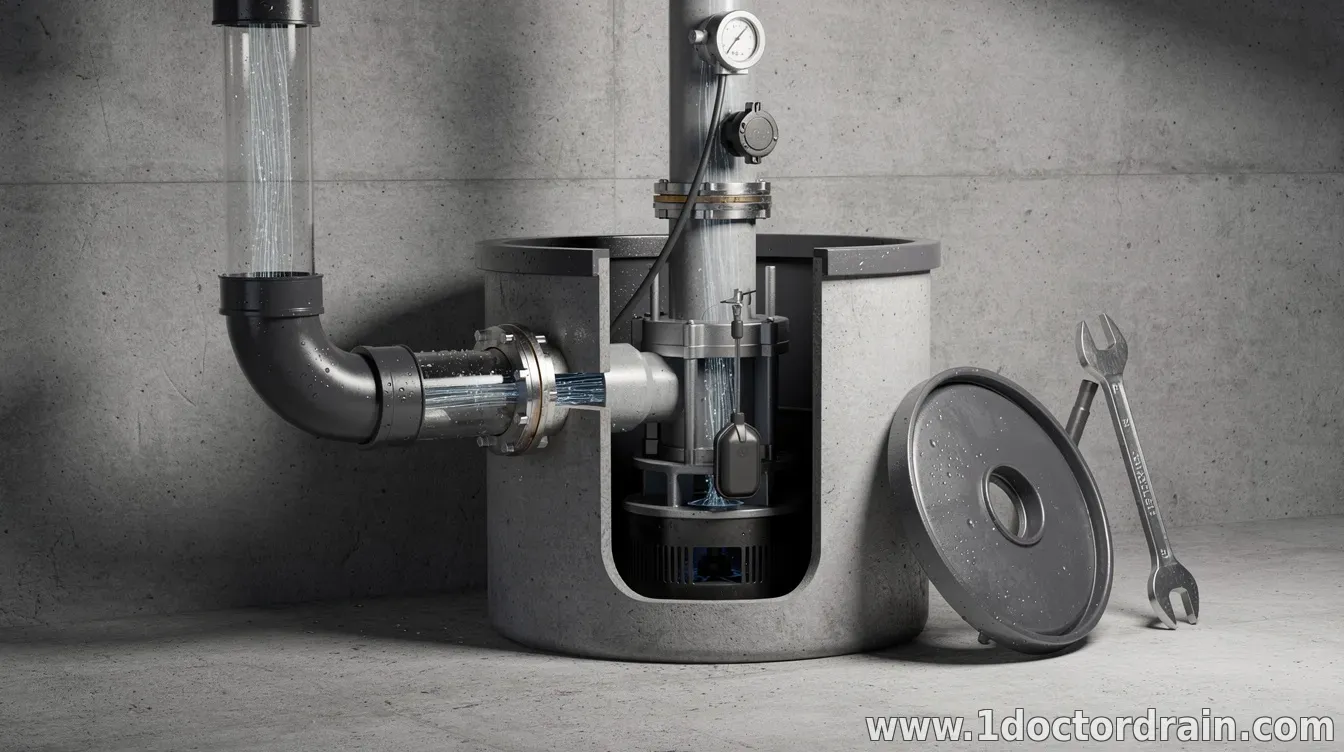
A sewage ejector pump is designed to move wastewater from a basement, pit, or other area where plumbing can’t rely on gravity. Unlike standard gravity drains, these systems “lift” sewage to a higher discharge point—often into a main sewer line or a utility drain—using a pump plus sensors that control when it turns on and off.
In many homes, an ejector pump supports fixtures such as toilets, sinks, showers, and laundry that are installed below the sewer line. Because it handles mixed waste and must operate reliably to prevent flooding, it’s important to understand what it is and how to recognize when it needs servicing. How it works
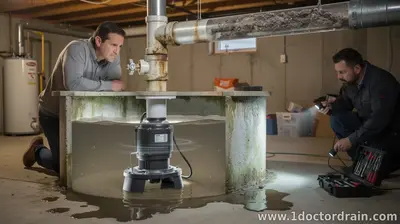
Typically, a sewage ejector pump sits in a sealed basin (or “pump pit”) and uses a motor to push wastewater through a discharge pipe. Inside the basin, float switches or electronic level sensors detect rising water. When the water reaches a set level, the pump activates; once the level drops, it shuts off. This cycling prevents overfilling while keeping the system ready for the next use. Common signs it needs servicing
Most maintenance issues show up as performance changes. If you notice any of the following, a professional inspection or service is often warranted:
When to service it proactively
Even when everything seems fine, ejector pumps benefit from scheduled attention. Many manufacturers recommend periodic inspection of the pump, check valve, discharge line, and float/sensor operation. A reasonable home-maintenance approach is to have the system inspected at least annually, especially in households with frequent wastewater use (large families, frequent laundry, or multiple basement fixtures).
Servicing is particularly important if the pump is older, has a history of clogs, or is used during periods when more wastewater is generated. Regular cleaning and functional checks can reduce the risk of sediment buildup, damaged components, or sensor failures that can cause overflows. What technicians typically check
A proper service visit usually focuses on items that commonly fail or become obstructed:
Depending on the model, technicians may also evaluate wear on internal parts, test the pump under normal conditions, and verify that the system is vented and sealed properly to minimize odors. Maintenance habits that help
While ejector pumps are engineered for wastewater, they’re not meant to handle non-waste items. Avoid flushing or dumping materials that can wrap around the pump intake or form blockages—such as wipes not labeled as flush-safe, grease in large amounts, hair, or construction debris. For kitchen sinks, grease management (scraping and proper disposal) can reduce buildup in the system.
It’s also helpful to keep the pump pit area accessible and dry in a way that won’t interfere with operation. If the area becomes contaminated or flooded from other sources, address that issue quickly, as it can affect system reliability and safety. When to act immediately
Don’t wait if you suspect an active malfunction. If sewage appears in or near basement fixtures, if the pump alarms (where installed), or if you observe water repeatedly rising in the pit, shut down affected fixtures and contact a qualified plumber or pump service provider promptly. Ejector pump failures can escalate into sanitary flooding, making quick action essential.
A sewage ejector pump is a critical part of many homes’ waste management systems—quietly moving wastewater when gravity isn’t enough. By watching for warning signs, scheduling periodic inspections, and using the system responsibly, you can extend pump life and reduce the likelihood of backups and unpleasant surprises.
| |
|
| |
CALL ☎ Subscribe 👆
Next & Previous posts
Related materials:
CONTACT US 📩
Submit the form, we'll contact you as soon as possible!