1:52 AM Sewage Ejector Pump vs. Sump Pump: Key Differences | |
Homeowners often use the terms “sump pump” and “sewage ejector pump” interchangeably, but the two devices are engineered for different plumbing demands. Choosing the right pump matters because the wrong type can fail under the load it’s given—or create safety and sanitation risks.
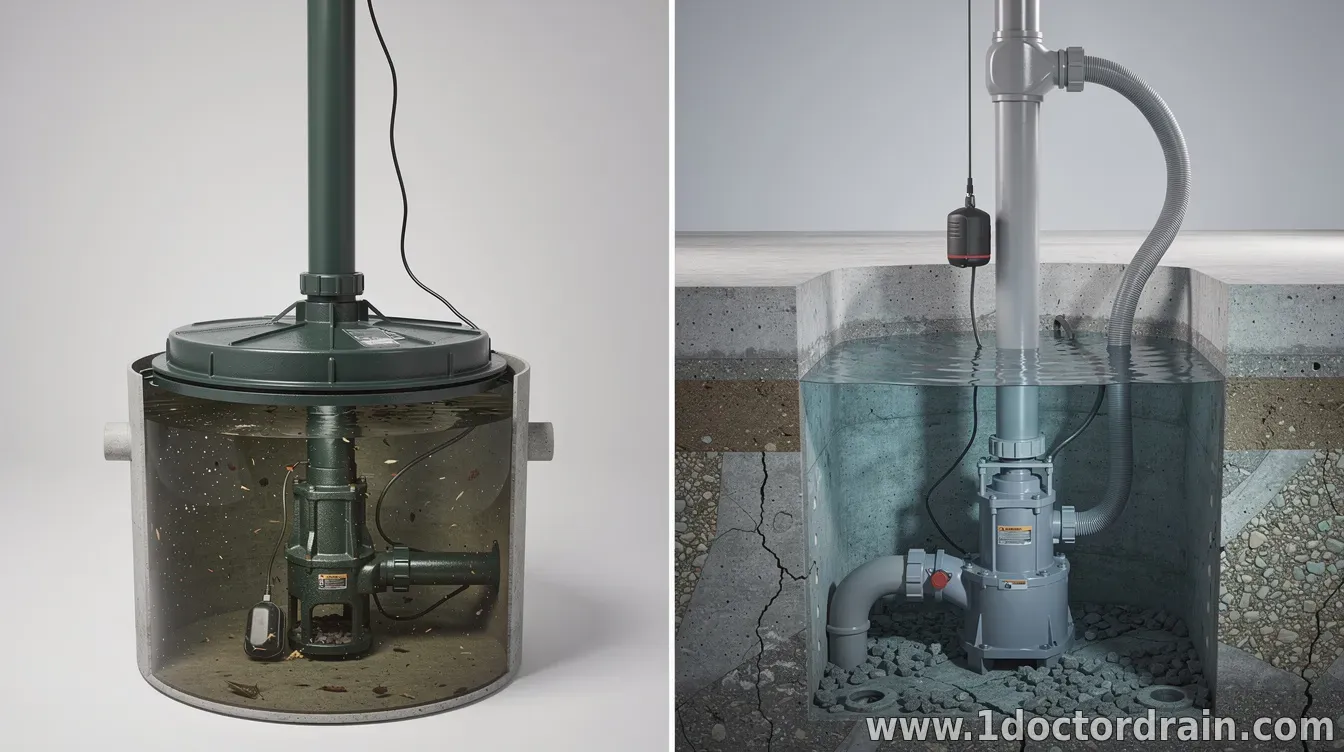
In general, sump pumps are meant for clean or lightly contaminated groundwater, while sewage ejector pumps are designed to handle wastewater that may contain solids and waste material from fixtures like toilets and garbage disposals. What a sump pump is for
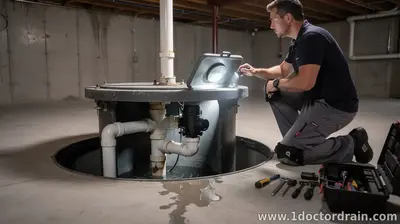
A sump pump is typically installed in a sump pit in basements or crawl spaces where groundwater collects—often during heavy rain, snowmelt, or high water tables. The pump lifts water away from the home to a drain, storm sewer, or another approved discharge location.
Because sump pumps are intended for groundwater, they’re usually compatible with clear or relatively clean water. Many sump pumps are also used to prevent basement flooding and moisture problems that can lead to mold and odor. What a sewage ejector pump is for
A sewage ejector pump is used when wastewater must be lifted from a lower level to a higher discharge point—especially when fixtures drain into a basement below the main sewer line. These systems commonly collect effluent from toilets and other sewage-producing sources, then pump it upward to connect to the home’s main plumbing.
Unlike a sump pump, a sewage ejector pump (often called a “sewage pump” or “ejector system”) is built to handle materials that may include solids and other waste. That design difference is one reason proper selection is critical. Key differences that affect performance
While both pump fluids out of a pit, the intended contents and operating conditions are different:
Even when a basement pit is involved, the fluid source determines the correct equipment. How to choose the right pump for your home
If your goal is preventing groundwater seepage or basement flooding, a sump pump is usually the right starting point—provided the water is appropriate for that type of system. If wastewater from toilets or other sewage fixtures needs to be pumped to reach the main line, a sewage ejector pump or approved sewage pumping system is generally required.
Because local plumbing codes and installation requirements can vary, it’s wise to consult an experienced plumber or check relevant code guidance before purchasing or installing equipment. The correct pump, switch/float configuration, check valve setup, and discharge routing can all influence whether the system runs reliably.
When installed correctly, both sump pumps and sewage ejector pumps protect homes in different ways—sump pumps help manage groundwater intrusion, while sewage ejector pumps ensure waste flows when gravity drainage can’t do the job.
| |
|
| |
CALL ☎ Subscribe 👆
Next & Previous posts
Related materials:
CONTACT US 📩
Submit the form, we'll contact you as soon as possible!