11:40 AM Signs Your Sewer Line May Be Collapsed or Bellied | |
A collapsed or “bellied” sewer line (a section that has sagged and can hold wastewater) can cause persistent blockages, backups, and unpleasant odors. Because the damage can worsen over time, recognizing the early warning signs is key to protecting your home and avoiding expensive repairs.
Common signs of a collapsed sewer line and a bellied line often overlap, but some symptoms are especially suggestive. 1) Slow drains and frequent backups
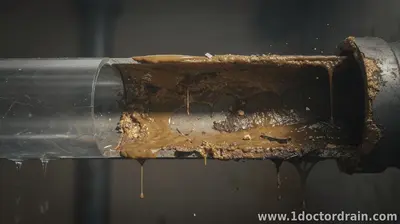
If multiple drains in the same area (or the whole home) are slow, or if you see repeated backups, the sewer line may be restricted or failing. Collapsed sections can reduce flow, while a bellied section can trap wastewater and debris, leading to ongoing blockages. 2) Gurgling sounds from drains
Hearing bubbling or gurgling when toilets, sinks, or showers drain can indicate air and water struggling to move through a partially blocked sewer line. This symptom is often reported when the line has lost proper slope or when a section is collapsing. 3) Foul odors near drains or in the yard
A persistent sewage smell—inside near bathrooms, around basement drains, or outside near the yard—can be a sign of leaks or a failing line. Even if a backup isn’t obvious yet, leaks from compromised pipe joints or damage under the ground can release odors. 4) Water pooling or soggy ground near the sewer route
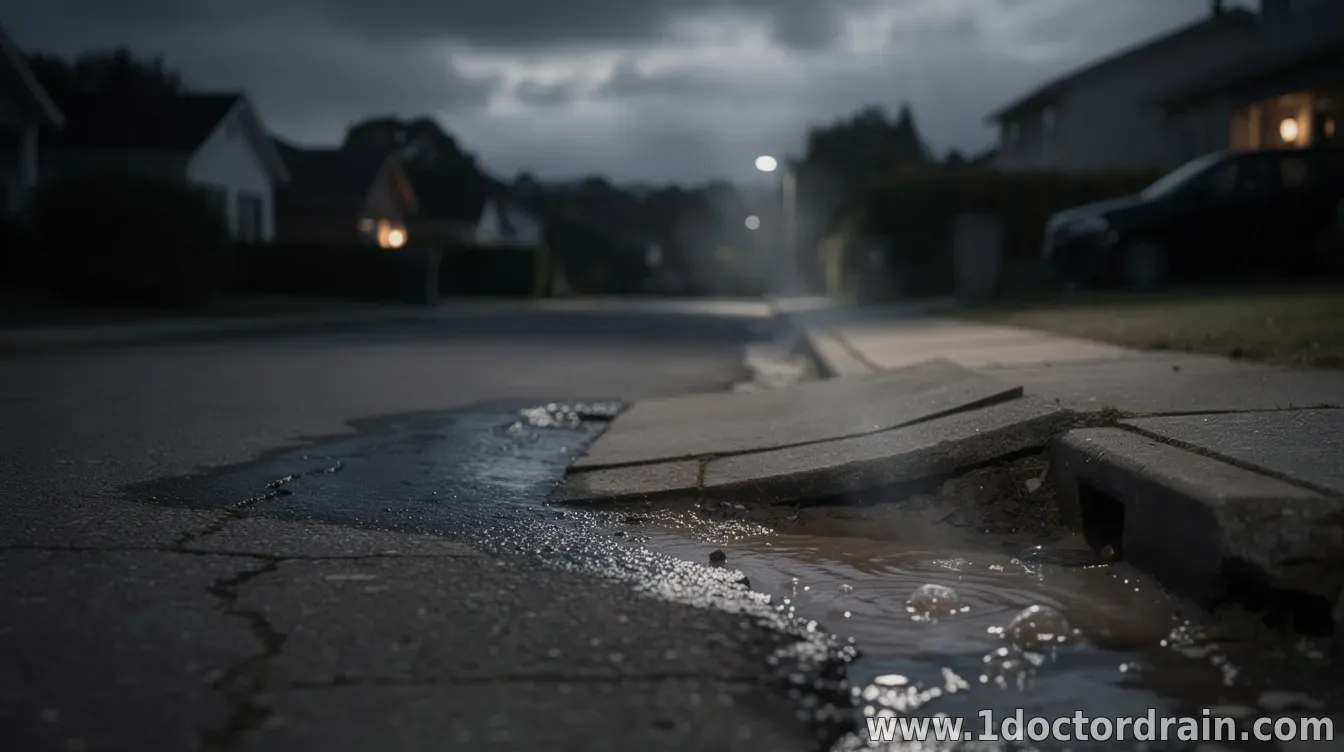
If you notice unusually wet spots, standing water, or constantly soggy soil near the area where the sewer line runs, it may point to a leak. Bellied sections can contribute to poor drainage patterns, while a collapse can cause overflow or seepage.
Other red flags to watch for
Some issues can also accompany sewer line problems:
Why slope and pipe condition matter
Most sewer lines are designed to carry wastewater downhill at a proper slope. Over time, aging materials, tree root intrusion, soil shifting, corrosion, and poor installation can alter that slope. A bellied section traps solids and grease, forming blockages, while a collapse can create a more severe restriction that accelerates backups and leakage.
What to do if you suspect collapse or bellies
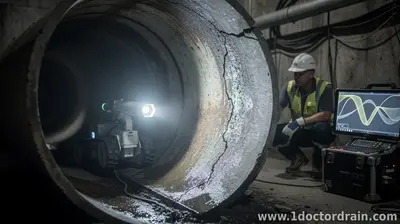
Don’t rely on repeated “chemical” treatments or frequent drain-clearing alone—these can temporarily relieve symptoms without addressing the underlying pipe failure. The most effective next step is usually a professional sewer camera inspection to view the pipe’s interior and identify the exact problem location.
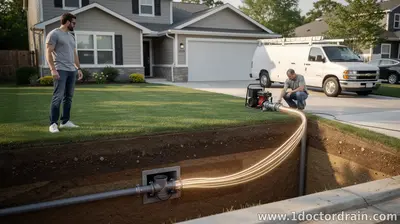
Depending on findings, your technician may recommend options such as sewer line repair, replacement, or trenchless rehabilitation methods. The sooner the issue is confirmed, the better your chances of limiting damage to surrounding soil and plumbing.
If you’re seeing ongoing slow drains, gurgling, sewage odors, or wet spots along the sewer line route, consider treating it as a time-sensitive maintenance concern and scheduling an inspection as soon as possible.
| |
|
| |
CALL ☎ Subscribe 👆
Next & Previous posts
Related materials:
CONTACT US 📩
Submit the form, we'll contact you as soon as possible!