0:34 AM Trenchless Sewer Repair: When It Works and When Not | |
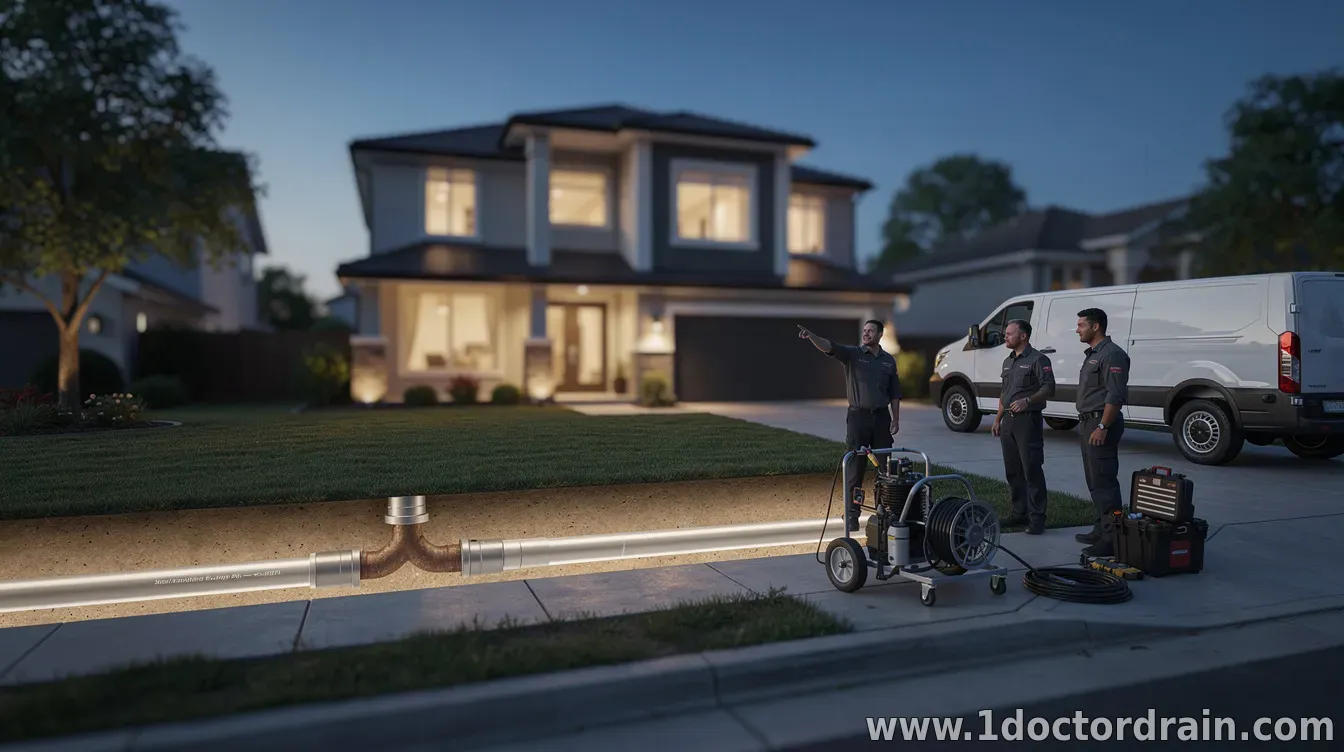
Trenchless sewer repair has become a go-to option for homeowners who want to fix clogged, leaking, or failing sewer lines with less yard damage than traditional excavation. Instead of opening trenches across your property, contractors typically use specialized equipment to access the pipe from cleanouts, manholes, or small entry points.
That said, the “right fit” depends on the condition of the sewer, the location of the pipe, and the type of repair required. A trenchless job can be efficient and cost-effective—but only when the underlying problem is suitable for the method being used. What trenchless sewer repair usually involves
Most trenchless projects begin with a thorough inspection, often using sewer camera technology to locate damage, measure pipe diameter and slope, and identify issues like cracks, root intrusion, corrosion, or collapsed sections. From there, contractors choose a trenchless approach such as spot repair or full pipe lining and replacement.
Common trenchless options include pipe lining (using a cured-in-place liner to create a new interior surface), spot repairs for localized failures, and pull-in methods where a new pipe is installed through existing access points. Key benefits for homeowners
The biggest appeal of trenchless repair is reduced disruption. Because the work often requires fewer or smaller excavation areas, many projects preserve landscaped areas and minimize restoration costs. In many cases, the process can also be faster than traditional methods, since the crew isn’t breaking up and rebuilding large sections of pavement or yard.
Homeowners also tend to experience less downtime during repairs, and trenchless techniques can help restore pipe integrity while reducing the risk of recurring leaks or frequent backups—assuming the chosen method matches the pipe’s condition. When trenchless sewer repair may be the wrong choice
Trenchless isn’t one-size-fits-all. If the existing line has severe structural collapse, extreme misalignment, or extensive damage that can’t be reliably addressed from the inside, a contractor may recommend conventional excavation. Similarly, if the pipe’s layout or access points make trenchless installation impractical, excavation may be necessary for safety and long-term performance.
Another factor is root infestation. While trenchless solutions can often address root intrusion, the severity and spread of roots—and whether they’ve caused major distortion—may influence what’s feasible. What to ask before you approve the repair
Because outcomes depend on matching the right method to the right problem, homeowners should request clear documentation from the contractor. A good process will include a detailed inspection report and recommendations tied to specific pipe conditions.
Consider asking:
These questions help you confirm that the proposal is driven by evidence—not just a general preference for trenchless work. Cost and value: what “cheaper” should really mean
Trenchless repair may cost less than traditional replacement when excavation would be extensive, landscaping removal would be high, or restoration expenses would be significant. But the best comparison is not just price—it’s overall value, including the likelihood of a durable fix.
Get a written scope of work that specifies the repair area, method, liner or replacement type, and acceptance criteria. If the contractor can’t explain the inspection findings or the rationale for the chosen approach, it’s worth seeking a second opinion. Is trenchless right for your home?
Trenchless sewer repair is often a strong option for homes where the sewer line has localized defects, manageable root intrusion, or damage that can be corrected by lining, spot repair, or pipe relining. It becomes less certain when the sewer is heavily collapsed, severely misaligned beyond what trenchless methods can correct, or when site constraints limit access.
The most reliable way to decide is a camera-based assessment and a transparent recommendation that links the method to the specific condition of your pipe. With the right match, trenchless repairs can restore function while keeping disruption—and restoration—down.
| |
|
| |
CALL ☎ Subscribe 👆
Next & Previous posts
Related materials:
CONTACT US 📩
Submit the form, we'll contact you as soon as possible!