2:25 AM Spring Thaw Plumbing Checklist for Chicago Homeowners | |
|
Chicago’s spring thaw is a high-risk window for household plumbing. Water expands when it freezes and can push past weak spots, while thawing also reveals problems that were dormant during the cold months. A quick, systematic check now can help you catch leaks, backups, and stress fractures before they escalate. 1) Start with the cold-water “hot spots”
Before you run a lot of water, inspect areas where pipes typically take the hardest winter hits—especially along exterior walls, in uninsulated basements, crawl spaces, garages, and near any plumbing that runs through cold zones. Look for damp drywall, floor discoloration, ceiling stains, or musty odors that can signal slow leaks.
Next, check visible supply lines under sinks, behind toilets, and around shutoff valves. Even small drips can worsen quickly once thaw water starts moving through systems and the ground shifts after freeze-thaw cycles. 2) Test your shutoffs and watch for pressure changes
Confirm you can fully open and close main and branch shutoff valves. If a valve is stiff or stuck, it may fail during an emergency repair when you need it most. Gently cycle the handle (without forcing) to ensure proper operation.
If you notice new banging, whistling, or inconsistent water temperature/flow, document when it happens and where—early clues can help you pinpoint clogged valves, failing pressure regulators, or scaling issues. 3) Flush drains and confirm they’re flowing freely
Thaw season often brings lingering debris, sediment, and winter grease back to the surface as water flow patterns change. Run water in each sink and tub and verify drainage is consistent. If you hear gurgling or see slow draining, address it early to prevent backups.
For persistent clogs, avoid repeated “wait and hope” cycles. Over time, extra water can push blockages farther, making the eventual fix more expensive. 4) Look at your water heater and temperature relief area
Inspect the water heater for signs of leakage around the base and connections. If you have a drain pan, confirm it’s dry and properly positioned. Carefully check the temperature and pressure (T&P) discharge pipe to make sure it isn’t blocked or leaking where it terminates.
If you notice corrosion, dampness, or irregular noises (like popping or rumbling), consider scheduling service sooner rather than later—especially before summer demand increases. 5) Check toilets, seals, and hidden moisture
Toilets can be surprisingly sensitive to seasonal shifts. Inspect the base for rocking or moisture, and check the supply line connection for drips. Confirm the flapper seals properly by listening for continuous running or frequent refills.
Also look for signs of wax-ring failure—wet floors, odors, or stains around the toilet can indicate a seal breach, which can worsen as materials expand and contract. 6) Inspect outdoor plumbing and backflow prevention
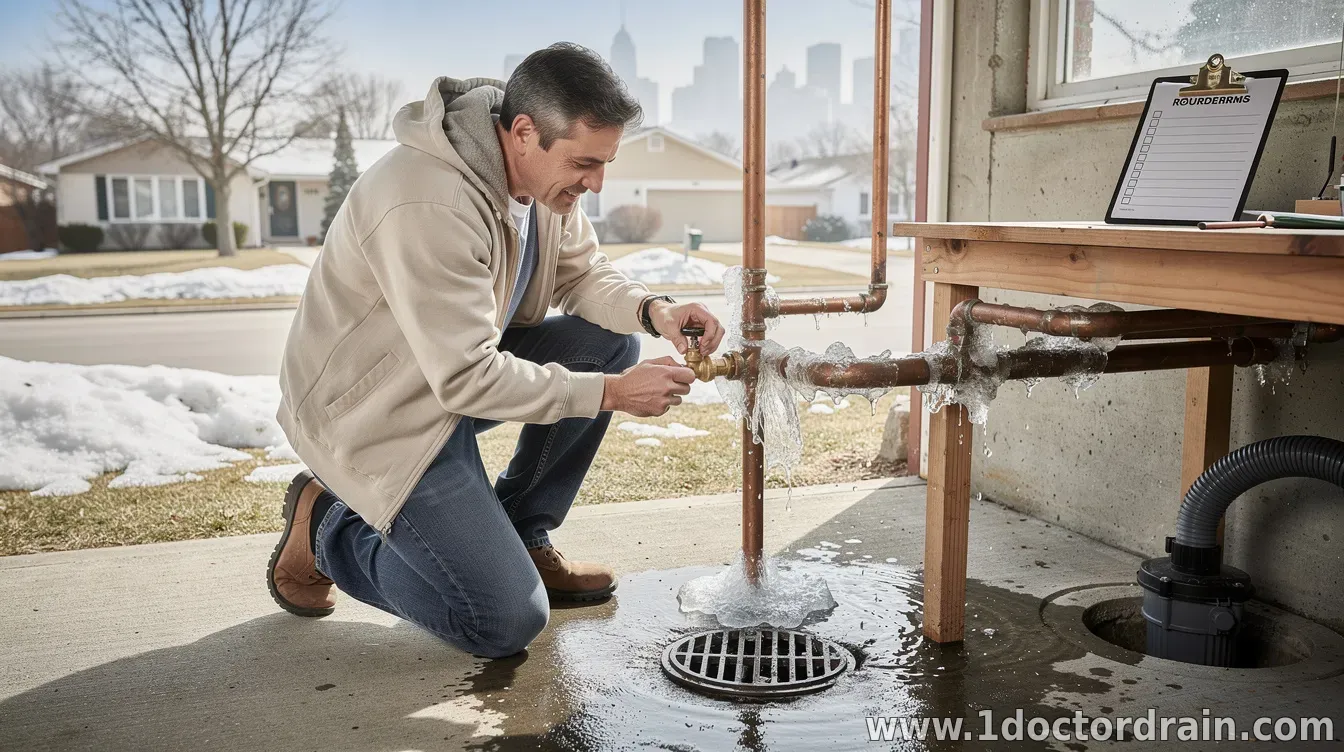
Chicago winters can stress outdoor faucets, hoses, and underground lines. Before the season gets fully wet and warm, check exterior hose bibs, sprinklers, and any accessible valves. Make sure hose bibs are fully functional and that any shutoff valves are reachable.
If your home has a backflow preventer (common in many Chicago-area setups), inspect it according to the manufacturer’s guidance. Keeping it in working order helps protect the home’s potable water system. 7) Watch for freeze-thaw “micro-leaks”
Even when pipes survived the cold, thaw can uncover small failures. Run water in short bursts and inspect around joints, fittings, and supply lines while you observe. Pay extra attention to connections that weren’t fully accessible during winter work.
If you suspect a leak behind a wall, consider a moisture meter or infrared inspection if available. The goal is to locate the issue early—before it spreads or triggers mold concerns.
Spring thaw plumbing prep doesn’t need to be complicated: inspect, test, and verify flow across the system while conditions are favorable. If you find damage, repeated backups, or any signs of significant leakage, contact a licensed plumber promptly to reduce the risk of water damage.
| |
|
| |
CALL ☎ Subscribe 👆
Next & Previous posts
Related materials:

CONTACT US 📩
Submit the form, we'll contact you as soon as possible!