3:34 AM How to Clean a Basement Floor Drain (and Why It Matters) | |
A basement floor drain is easy to ignore—until it backs up. Regular cleaning helps maintain drainage, reduces unpleasant smells, and can lower the risk of water pooling during heavy rain or plumbing issues.
Most clogs build up from everyday debris: hair, grit, soap residue, and what’s carried in on boots. Over time, that buildup traps water and creates a cycle of slow drainage, standing water, and odor. Step-by-step: Clean your floor drain
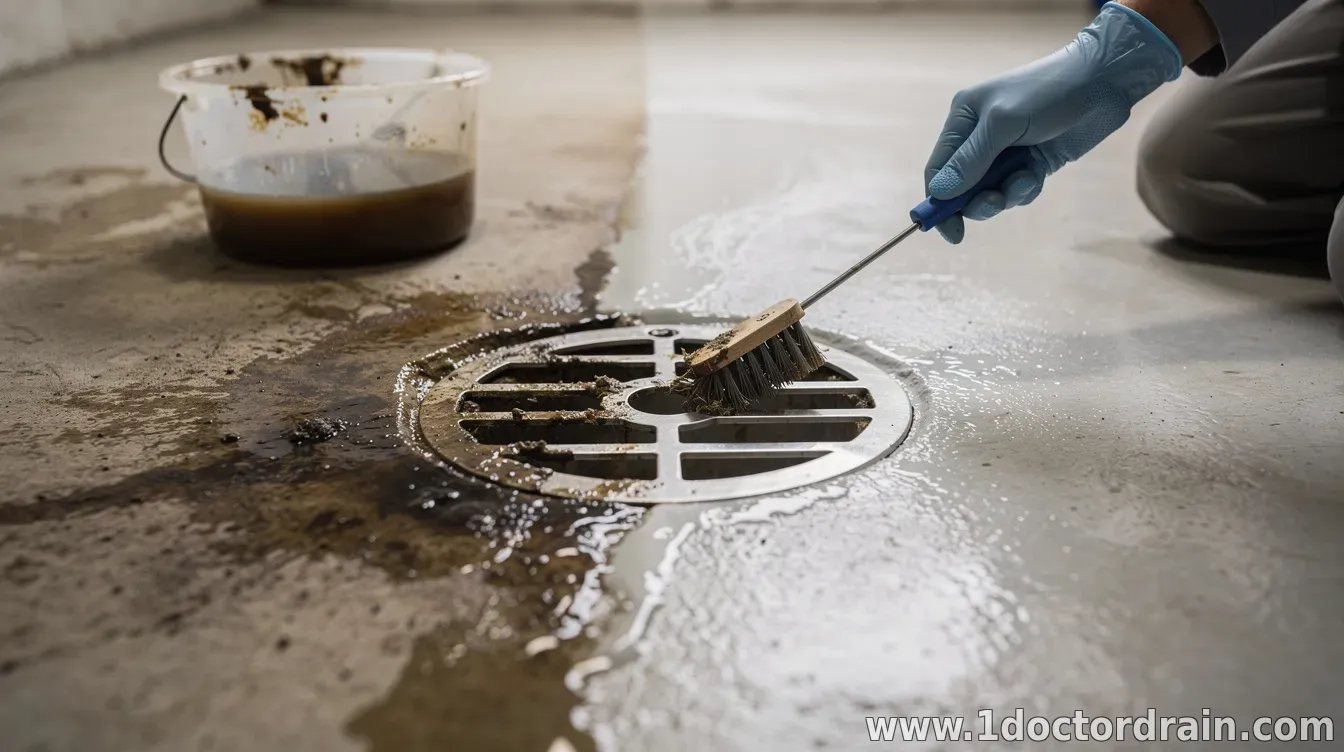
Start by clearing the area around the drain. If there’s standing water, remove it with a wet/dry vacuum or a mop and bucket so you can see what you’re working with. If the drain cover is removable, take it off and set it aside.
Next, loosen surface debris. Use a brush (a small scrub brush works well) to dislodge hair and grime from the strainer and the visible drain opening. Wipe away what you can reach, then rinse with hot water.
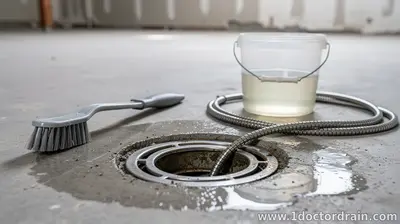
If water still won’t flow freely, try a gentle flush. Pour hot water slowly into the drain while checking whether it moves quickly through the line. If you have a flexible tool (like a drain cleaning brush), use it to agitate buildup deeper in the drain.
For deeper blockages, a plumbing snake or drain auger can help. Feed it carefully into the drain and turn to break up the obstruction. Once you suspect the clog has cleared, flush with hot water again.
After the drain is flowing, disinfect and deodorize. You can use an enzymatic drain cleaner designed for grease and organic buildup, or a mild cleaning solution recommended for drains. Avoid mixing chemicals—especially any combinations that could create hazardous reactions. Why you should clean it (beyond convenience)
When a basement drain is clogged, the consequences can be costly. Backups may push water into the basement floor area, turning small problems into larger cleanup efforts. They can also trigger persistent sewer-gas odors, which are unpleasant and signal that the drain isn’t functioning as intended.
Regular maintenance also helps you catch early signs of trouble—like slow draining, gurgling sounds, or recurring odors—before they become full blockages. Quick maintenance tips
To keep the drain cleaner for longer, use a small strainer to catch hair and debris, and rinse the drain with hot water periodically if the basement is frequently used. If your basement has a floor-drain trap, check that water remains in the trap during long dry periods; some homes need periodic refilling to prevent odors.
Cleaning a floor drain may not be glamorous, but it’s one of the simplest ways to protect your basement from odor, clogs, and water damage. If you repeatedly find blockages or suspect a damaged line, consider getting a professional inspection.
| |
|
| |
CALL ☎ Subscribe 👆
Next & Previous posts
Related materials:

CONTACT US 📩
Submit the form, we'll contact you as soon as possible!