3:23 AM Bathroom Sink vs Kitchen Drain: Causes & Fixes | |
A bathroom sink and a kitchen drain can both empty slowly or back up, but the likely causes differ—and so do the most effective remedies. Bathroom drains typically get clogged by hair, soap residue, toothpaste particles, and skin oils, while kitchen drains are more often blocked by grease, food scraps, starches, and cooking byproducts.
Because these materials behave differently in pipes, using the wrong “fix” (like trying to dissolve grease with something that only targets hair) can waste time—or even make the problem worse. The key is to diagnose the clog based on symptoms and what you know about what goes down the drain. Why bathroom sink drains clog
Bathroom sink blockages commonly form when hair and fine debris mix with soap and moisturize in the pipe, creating a sticky “mat” that traps more material. Toothpaste residue and body oils can further reduce flow by coating pipe walls.
If your bathroom drain clogs after brushing teeth, washing hands, or shaving—or if multiple fixtures (like the sink and nearby shower) drain poorly at the same time—it’s a strong sign the issue is related to hair and soap buildup rather than food. Most effective bathroom fixes (DIY)
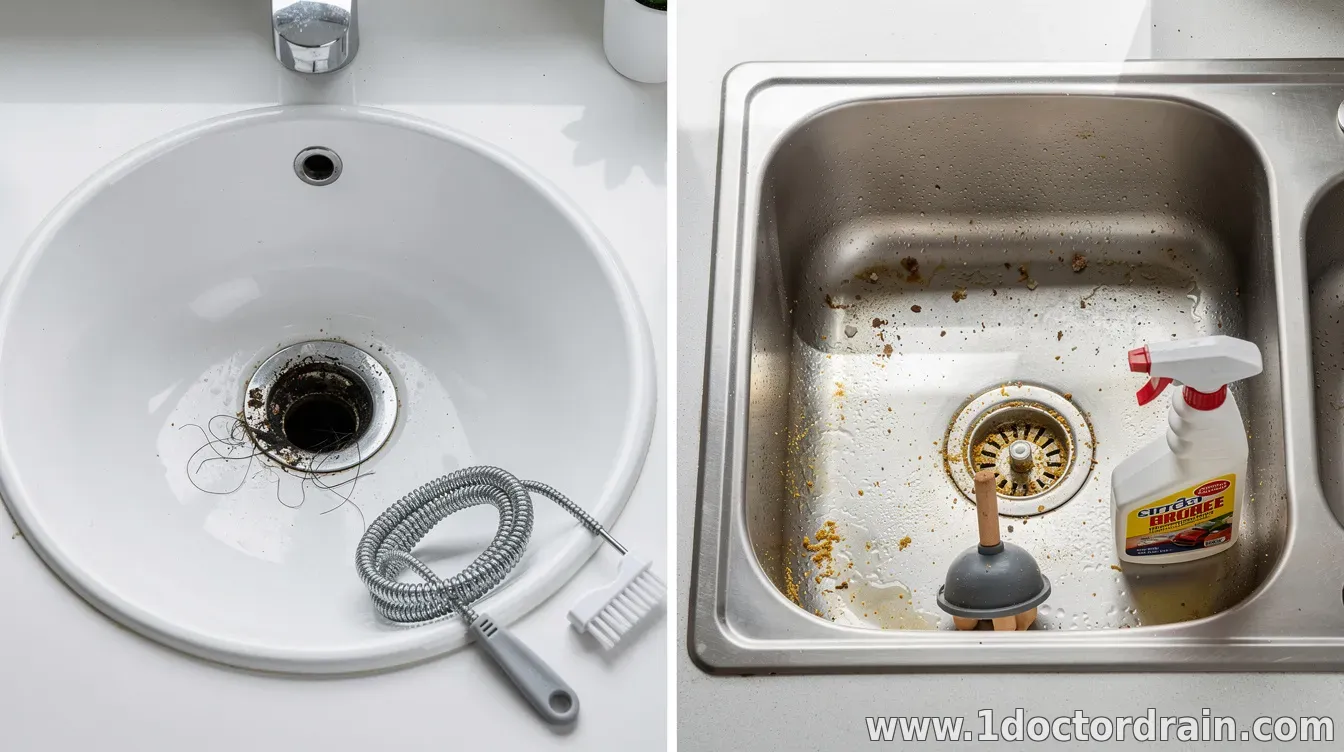
Start with the least aggressive steps. For slow drainage, remove any visible debris in the strainer and check the overflow opening if accessible. A plunger can help if the clog is near the drain opening and not fully “packed” deep in the pipe.
For hair-and-soap clogs, use a drain snake designed for sinks or a small flexible drain auger to physically break or retrieve the blockage. This approach is often more reliable than liquid cleaners for hair-based clogs because it targets the material that’s actually stuck.
If you suspect a grease-free buildup, a gentle enzymatic cleaner may help with residual organic matter. Avoid repeatedly using harsh chemicals as a first response, especially if you’ve already tried mechanical clearing—chemical mixes can be unsafe if they meet unexpected substances in the plumbing. Why kitchen drains clog
Kitchen drains are exposed to food particles, fats and oils (especially when washed down warm water), soap and detergent combinations, and sometimes coffee grounds or starch-heavy leftovers. Grease can cool inside the pipe and solidify, capturing food residue and forming a more rigid blockage over time.
Kitchen clogs are also more likely to develop after cooking habits change—such as rinsing pans with oil, using less strainers, or skipping disposal/strainer maintenance. If the sink backs up while the dishwasher or disposal struggles, the blockage may be further along the drain line. Most effective kitchen fixes (DIY)
Before you try to dissolve anything, remove what you can: scrape plates into the trash or compost, clear the sink strainer, and confirm whether the disposal (if you have one) is operating normally. For minor, grease-heavy slowing, carefully using hot water in cycles can sometimes help flush loose residue—never in a way that risks damaging the fixture or causing splashing.
Mechanical clearing is often the fastest option for kitchen clogs. A drain snake for kitchen sinks can reach deeper than some DIY tools and can grab or dislodge packed material. For clogs connected to the disposal, turn off power first and check for any jam or obstruction per the manufacturer’s guidance.
Enzymatic cleaners may reduce organic buildup and help prevent recurrence, but they work best as maintenance rather than as an instant “unclog” for fully hardened grease. For grease-dominant clogs, the goal is usually to break up or remove the blockage physically, then follow with proper cleaning and prevention. Signs you may have the “wrong” kind of clog
Sometimes a bathroom drain problem is caused by more than hair—such as a failing trap seal, a venting issue, or a secondary blockage in the line. Likewise, a kitchen drain could be affected by solid blockages beyond grease, including accumulated debris further down the plumbing.
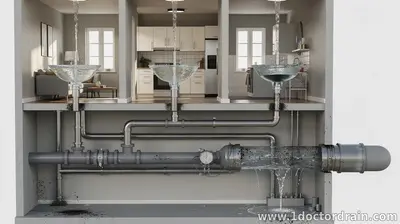
If multiple drains in the home act up at once, if gurgling occurs repeatedly, or if water rises in the sink even after clearing the immediate area, the issue may be venting or downstream. In those cases, a plumber can inspect the drain line and evaluate venting to prevent recurring interruptions.
When choosing a fix, match the cause to the material: bathroom clogs typically need hair-and-soap mechanical removal; kitchen clogs often require grease-and-food dislodging and better debris management. With the right approach, you can restore flow quickly—and avoid repeating the same clog cycle in the future.
| |
|
| |
CALL ☎ Subscribe 👆
Next & Previous posts
Related materials:

CONTACT US 📩
Submit the form, we'll contact you as soon as possible!