1:10 AM How Often to Inspect a Sewer Line in an Older Home | |
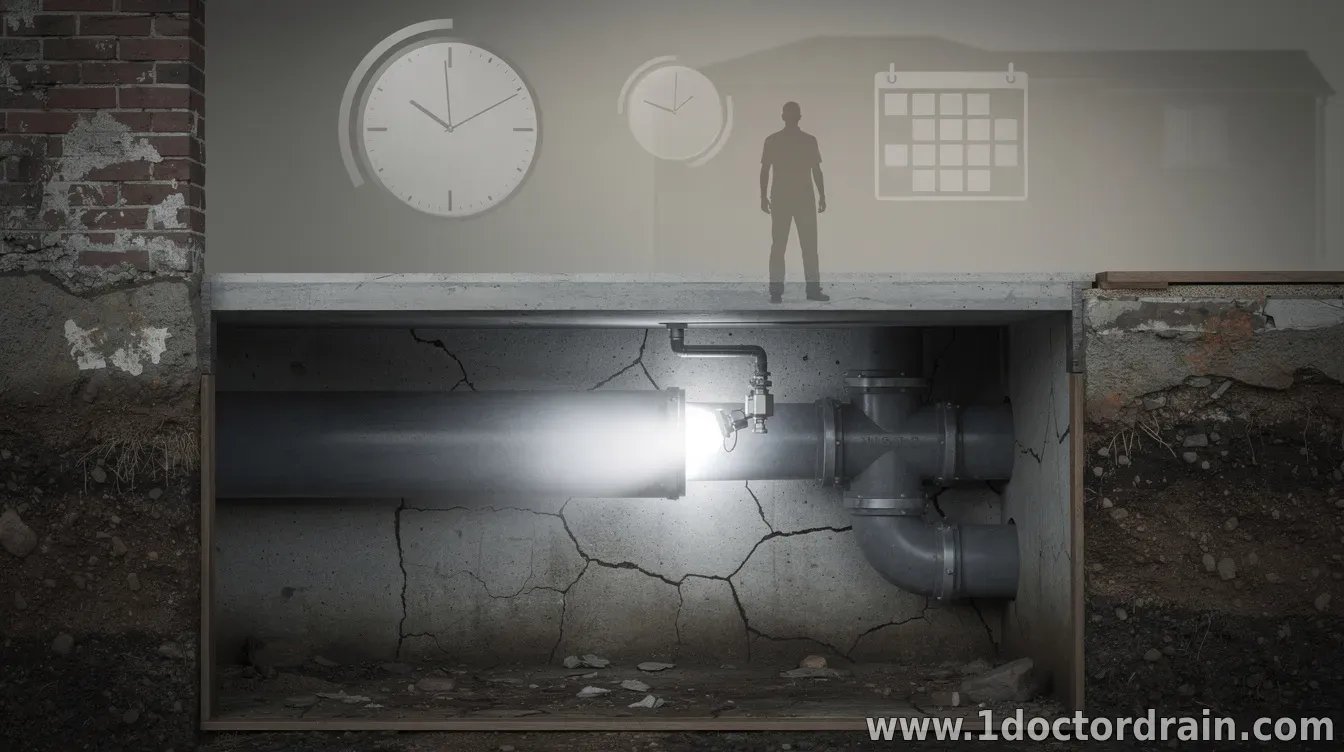
As homes age, sewer lines can become more vulnerable to cracks, joint separation, corrosion, and root intrusion. While “how often” depends on a property’s history and local conditions, there are practical inspection intervals that help catch problems early—before they turn into costly backups.
In most older homes, a proactive inspection is less about reacting to emergencies and more about reducing risk. A camera inspection (often called sewer line inspection) can reveal pipe condition, blockages, buildup, misaligned sections, and leaks that aren’t visible from the yard. Baseline recommendation for older homes
If your sewer line is in an older home and you don’t have recent inspection records, a common baseline is to schedule an inspection every 2–5 years. This timeframe balances cost with the reality that many defects develop gradually—especially in lines that are decades old.
After you get an initial baseline inspection, the interval can be adjusted based on what the camera finds. If the line appears in good condition, you may stretch the schedule toward the longer end of that range. If there are moderate issues (such as recurring buildup, small cracks, or early signs of root intrusion), you’ll typically want inspections closer together. When to inspect more often (or sooner)
Even if you have an inspection plan, certain factors should shorten the interval. Consider inspecting sooner than your scheduled date if you notice any of the following:
Tree roots are another major reason to inspect more frequently. If there are large trees near the probable sewer route—or if you’ve had root-related clogs before—inspections every 1–3 years may be appropriate. How upgrades and repairs affect the schedule
Once you’ve repaired or replaced a section of sewer line, you should treat the next inspection as a way to confirm performance. Many homeowners choose a follow-up camera inspection after work is completed (timing varies by contractor and warranty terms), then return to a longer routine interval if the results are strong.
If repairs involve lining, relining, or partial replacement, the inspected condition after installation helps determine whether future issues are likely to be localized or system-wide. That’s especially important in older homes where different sections may be made of different materials. Practical “decision rules” for homeowners
If you’re deciding on a timeline without a lot of historical data, a simple approach works well:
Local conditions can also influence schedules. In areas with shifting soil, heavy root growth, or older sewer infrastructure, earlier inspection can reduce the chance of sudden failures.
For most homeowners, the key is not treating inspections as a one-time event. A sewer line inspection provides a snapshot of current condition, and that snapshot guides how aggressively you should monitor going forward.
If you’re unsure where your sewer line runs or what material it’s made of, a licensed plumbing professional can help map the line route and recommend a schedule tailored to your home’s age, plumbing layout, and any prior issues.
| |
|
| |
CALL ☎ Subscribe 👆
Next & Previous posts
Related materials:
CONTACT US 📩
Submit the form, we'll contact you as soon as possible!