0:25 AM Garbage Disposal Habits That Clog Your Kitchen Drain | |
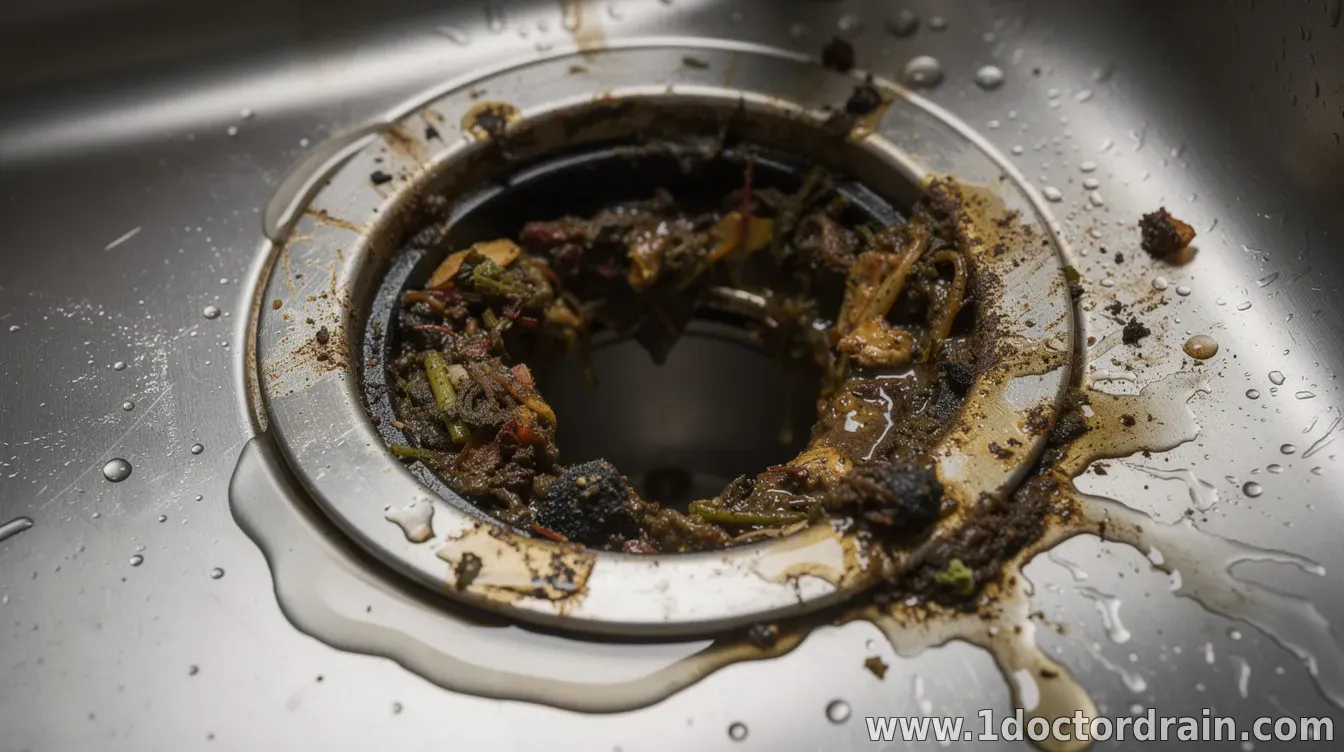
Garbage disposals are built to handle small food scraps, not a steady stream of everything that winds up on the counter. When people treat the unit like an all-purpose trash chute, buildup can accumulate in the drain line, trap grease, and contribute to slow drainage and unpleasant smells. Understanding which habits create problems can prevent clogs before they start—and reduce the chances of expensive plumbing calls. 1) Letting grease and oil go down “just this once”
Pouring cooking oil, bacon grease, or fatty sauces into a disposal is a frequent clog trigger. Even if the disposal grinds the material, oils can cool and solidify inside pipes, narrowing the passage over time. The result is often a persistent clog that worsens gradually.
Better approach: Let grease cool, then wipe it into a container or paper towels. Dispose of it in the trash (or follow local guidance for grease recycling, if available). 2) Overloading the disposal with fibrous foods
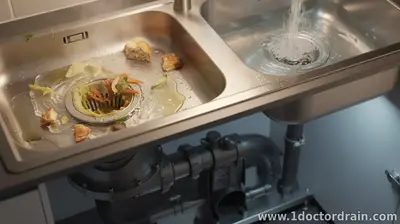
Some foods are “tough” in ways that grinders don’t always solve. Celery, potato peels, corn husks, and large quantities of fibrous scraps can wrap around internal parts or accumulate downstream, especially when used in big batches.
Better approach: Feed scraps gradually and keep portions small. If you’re unsure, consider composting tougher items that can be processed elsewhere. 3) Grinding stringy or starchy waste in the wrong conditions
Starchy foods (like large amounts of rice or pasta) and stringy materials can absorb water and expand, increasing the risk of blockage. Separately, insufficient water flow during use can slow grinding and encourage residue to stick to pipe walls.
Better approach: Run cold water before and during disposal use. Avoid dumping large amounts of starchy waste at once. 4) Skipping routine flushes and letting residue build up
Even with proper use, fine particles and grease film can accumulate. A disposal used daily without periodic flushing can develop buildup that leads to slower drainage, gurgling sounds, and odor.
Better approach: After grinding, run the water for a short period to help clear remaining debris. If odors are a recurring issue, cleaning the unit and drain line can help prevent future buildup. 5) Tossing non-food items “because it’s small”
Wipes, paper products, coffee grounds in large quantities, bones, and packaging materials are common culprits. Non-food items can jam the system, while certain materials can collect and harden in pipes.
Better approach: Use a strainer where appropriate, and keep the disposal for small food scraps only. When in doubt, check the disposal’s manual for accepted materials.
Preventing clogs often comes down to discipline: control what goes in, avoid dumping oily or fibrous waste in bulk, and use water consistently. If drainage is already slow or you notice persistent smells, it’s better to address buildup early rather than waiting for a complete blockage.
For ongoing maintenance, follow manufacturer guidance and consider consulting a licensed plumber if clogs keep recurring—especially if you hear repeated motor strain or the unit won’t drain properly.
| |
|
| |
CALL ☎ Subscribe 👆
Next & Previous posts
Related materials:
CONTACT US 📩
Submit the form, we'll contact you as soon as possible!