2:24 AM Things You Should Never Pour Down a Floor Drain | |
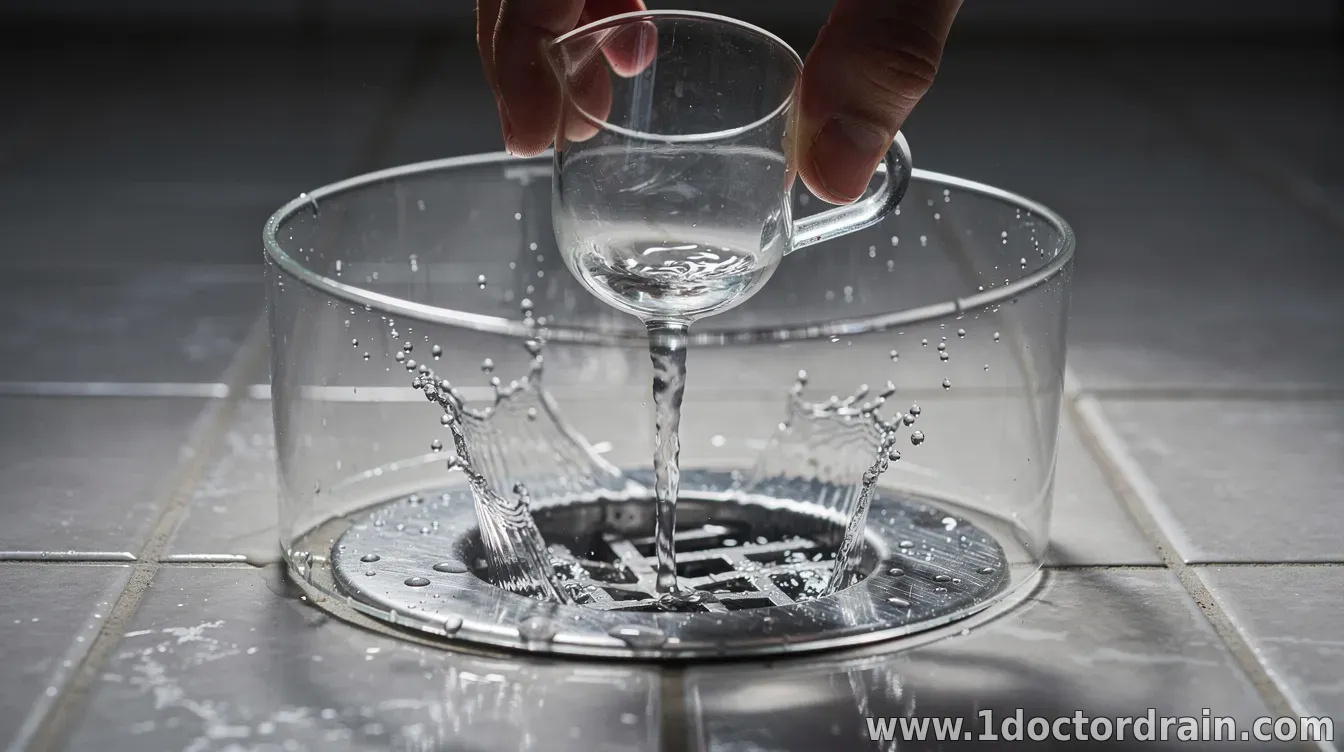
Floor drains are designed to handle water from sinks, showers, and other routine household plumbing flows. But many common liquids—especially grease, chemicals, and certain cleaning products—can cause blockages, corrode plumbing, or carry pollutants into drainage systems.
Even if a substance “goes down” at first, it can build up in the drain trap, line the pipe walls, or react with other materials further down the system. That’s why best practice is simple: only send appropriate water down a floor drain and follow product disposal guidance for everything else. 1) Grease, cooking oil, and fatty food waste
Pouring grease or cooking oil down a floor drain is one of the fastest ways to create severe clogs. As it cools, grease solidifies and sticks to pipe interiors, narrowing flow over time and increasing the risk of backups.
Safer option: Collect grease in a heat-safe container and dispose of it via municipal guidance or grease recycling programs. 2) Paint, solvents, and strong chemicals
Paint and many solvents (including thinner, varnish removers, and similar products) contain chemicals that can harm plumbing materials and may be restricted from entering wastewater systems. Some can also create hazardous fumes or degrade pipes.
Safer option: Take leftover paint, solvents, and similar materials to approved household hazardous waste drop-off sites. 3) Motor oil, antifreeze, and automotive fluids
Automotive fluids are regulated because of their toxicity and persistence in the environment. Draining them into a floor drain can contaminate water sources and may violate local disposal rules.
Safer option: Store fluids in sealed containers and use a local recycling or hazardous waste collection program. 4) Large amounts of bleach, disinfectants, and harsh drain cleaners
While small residues may be unavoidable with normal cleaning, pouring concentrated bleach, heavy disinfectants, or frequent use of caustic drain cleaners can corrode pipes, damage seals, and create fumes. In some cases, mixing cleaners can also generate dangerous reactions.
Safer option: Use milder cleaning products as directed, and if a drain is slow, try mechanical methods first (for example, a drain brush or professional service) rather than repeatedly relying on strong chemicals. 5) Concrete slurry, plaster, and construction debris
Concrete slurry, grout wash water, plaster, and similar construction materials can harden inside pipes. Even small amounts can accumulate and create stubborn blockages that require invasive repairs.
Safer option: Allow solids to settle in a designated container and dispose of residues according to your contractor or local waste guidance.
Not every “liquid” is safe to drain. When in doubt, check the label for disposal instructions and consider where the wastewater ultimately goes. For maintenance, periodically flush the drain with clean water and address slow drainage early to prevent buildup.
If your floor drain is clogged or discharging unpleasant odors, stop pouring additional liquids into it. Persistent problems can signal a deeper issue—such as a failed trap seal, venting problem, or a blockage that requires professional attention.
| |
|
| |
CALL ☎ Subscribe 👆
Next & Previous posts
Related materials:
CONTACT US 📩
Submit the form, we'll contact you as soon as possible!