1:11 AM Why Liquid Drain Cleaners Can Damage Your Pipes | |
Liquid drain cleaners are marketed as quick fixes for slow drains and stubborn clogs, but many formulations come with a trade-off: they can damage plumbing systems over time. Even when they clear a blockage in the short term, the chemical residue and high temperatures generated during reaction can harm pipes, seals, and nearby components.
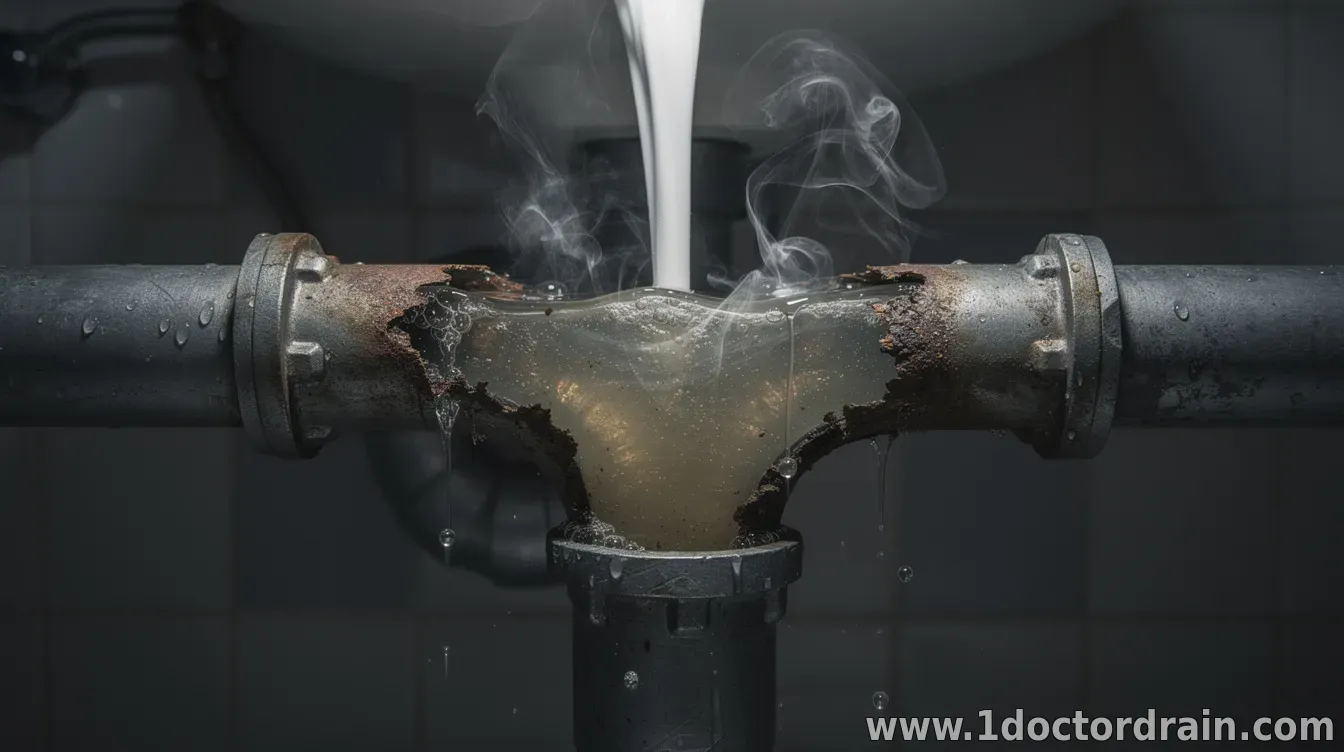
One of the main issues is corrosion. Many liquid drain cleaners rely on strong acids or strong bases that are designed to break down organic material and grease. If the cleaner’s chemistry is harsh enough to dissolve buildup, it can also react with the surfaces inside pipes, especially older metal lines.
Corrosion of pipe materials is a common pathway to long-term damage. Cast iron, galvanized steel, and some older metal fittings are particularly vulnerable because their protective layers can be compromised. As corrosion progresses, the pipe’s interior can become rougher, which traps future debris more easily—often leading to more frequent blockages.
Damage to joints, gaskets, and fittings is another concern. Plumbing systems include seals and elastomeric components that may not tolerate repeated chemical exposure. Over time, some gaskets can swell, harden, or degrade, allowing small leaks that may not be immediately obvious but can cause water damage around the affected area.
Liquid cleaners can also create heat and splash-back effects. Chemical reactions that rapidly dissolve grease may generate heat, which can stress pipes or cause localized weakening. In addition, if the cleaner is introduced improperly or the clog doesn’t fully clear right away, splashing can occur at the opening, increasing the risk of injury and making the situation worse.
There’s also the problem of limited control over where the chemical goes. A cleaner may travel only partway down the line or pool in a section of piping, concentrating chemical exposure in one spot. That can intensify damage to a specific section—such as a horizontal run, a low spot, or an elbow where debris collects.
For many homeowners, the most frustrating outcome is the “clear now, clog again later” cycle. When corrosion roughens the inside of a pipe or when seals degrade, the plumbing becomes more prone to collecting hair, grease, soap scum, and other common debris. The next clog may require an even stronger intervention, compounding the damage.
Plumbing professionals often recommend using targeted, safer methods first—such as mechanical clearing (a plunger or plumbing snake) or enzymatic products designed to break down typical household organic buildup. If the clog is related to tree roots, hardened scale, or a failing venting system, chemicals may not be the right tool and can delay appropriate repairs.
If you’re dealing with persistent slow drainage, the better approach is to treat the root cause. A licensed plumber can inspect the line, identify whether the issue is grease buildup, a partial obstruction, corrosion, or ventilation problems, and choose a solution that doesn’t trade short-term relief for long-term system harm.
| |
|
| |
CALL ☎ Subscribe 👆
Next & Previous posts
Related materials:
CONTACT US 📩
Submit the form, we'll contact you as soon as possible!