1:29 AM Fatbergs: the grease monsters growing under our cities | |
In cities across the world, sewer workers are battling something increasingly common and increasingly massive: fatbergs. These are not single spills of grease, but slow-growing, rock-hard tangles of fat, cooking oils, wipes, and other refuse that accumulate inside underground pipes.
The name “fatberg” reflects their texture and scale—once formed, they can resemble boulders of grime. As they expand, they block flow, trigger backups, and force costly repairs that can disrupt local neighborhoods and public services. What fatbergs are made of
Fatbergs are typically fed by everyday household waste. Grease poured down drains or left to solidify after washing, combined with “flushable” wipes and other non-biodegradable items, creates a sticky environment where debris collects. Even small actions repeated over time can contribute to a serious buildup.
Once the mixture cools and bonds, it traps more material—leading to a snowball effect. Over weeks and months, the mass grows, narrowing pipe openings and increasing pressure within sewer lines. Why they matter for public health and infrastructure
When fatbergs obstruct the sewer system, they can cause wastewater to back up into manholes or streets. That can create unpleasant odors, increase the risk of sewage spills, and raise the workload and exposure of sanitation teams.
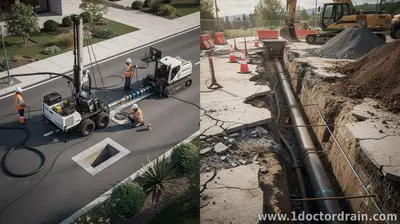
Infrastructure impacts go beyond inconvenience. Utilities must schedule disruptive interventions, sometimes requiring specialized cutting equipment or removal operations that can be expensive and time-consuming. How cities are responding
Municipalities and water companies are deploying a mix of monitoring and prevention strategies. Many use improved inspection methods to locate blockages earlier, while others rely on targeted cleaning and maintenance routines to prevent early buildup from becoming a large-scale fatberg.
Education campaigns also play a growing role—encouraging residents not to pour grease down the drain and to dispose of wipes and other improper items in household trash. What residents can do to help stop the growth
Reducing fatberg formation often starts with household habits. Experts commonly recommend letting fats and oils cool and collecting them for proper disposal, rather than washing them into sinks. For items labeled “flushable,” the message is increasingly consistent: if it doesn’t fully break down in wastewater systems, it should not be flushed.
Some cities have also expanded guidance at community levels, including signage near public facilities and clearer waste instructions that connect personal behavior to real-world sewer outcomes.
Fatbergs may develop underground, but the consequences show up in maintenance schedules, service interruptions and the cost of keeping cities running. With coordinated prevention—better disposal practices at home and smarter detection in the sewer network—communities can curb the conditions that allow these grease monsters to take hold.
| |
|
| |

CALL ☎ Subscribe 👆
Next & Previous posts
Related materials:


CONTACT US 📩
Submit the form, we'll contact you as soon as possible!